Your cart is currently empty!



3 Country Songs From the 1960s You Didn’t Know Were Written About Real People
Country music is all about three chords and the truth. It’s the tagline that has brought billions of fans to the genre over the years. And songwriters know—part of telling it like it is means talking about real-life people in your lyrics.
Videos by American Songwriter
Here below, we wanted to highlight three songs that did just that. These are three tunes that go into real-life stories to get at real-life truths. Indeed, these are three country songs from the 1960s you didn’t know were written about real people.
“I’m A Honky Tonk Girl” by Loretta Lynn (Single, 1960)
Not only is this a great country song, but it’s also a significant part of the Loretta Lynn origin story. While most people associate the artist with the Heartland, she got her start in the Pacific Northwest. That’s where she found herself in a bar one night hearing the sob story of the patron next to her. Shortly after, Lynn went home and wrote the song, citing many of the details of the woman’s life, in her home’s bathroom on a $17 acoustic guitar her supportive husband had given her. The rest for Lynn, as they say, is history.
“Harper Valley PTA” by Jeannie C. Riley from ‘Harper Valley P.T.A.’ (1968)
Small towns have a great reputation. They’re nice places to raise a family. But at the same time, there can be an insidious nature to them. Gossip and judgment can run amok. That’s the subject of this 1968 song from Jeannie C. Riley. Riley said she saw events at a real-life P.T.A. meeting that inspired this track, which showcases the petty, condescending behavior some in small towns often like to comport themselves with. Well, Riley (and the song’s narrator) took it to them with this smash.
“Mr. Bojangles” by Jerry Jeff Walker from ‘Mr. Bojangles’ (1968)
You never know where inspiration for a song might strike. And in this case, it struck in prison. While in a New Orleans jail, songwriter Jerry Jeff Walker encountered a homeless man who called himself Mr. Bojangles. The two men, and others in the cell, got to talking, sharing stories. Not only could Mr. Bojangles tell a good story about he could also tap dance and raise the mood in the sullen space. Taken by the encounter, Walker later wrote this hit country-folk song about the man.
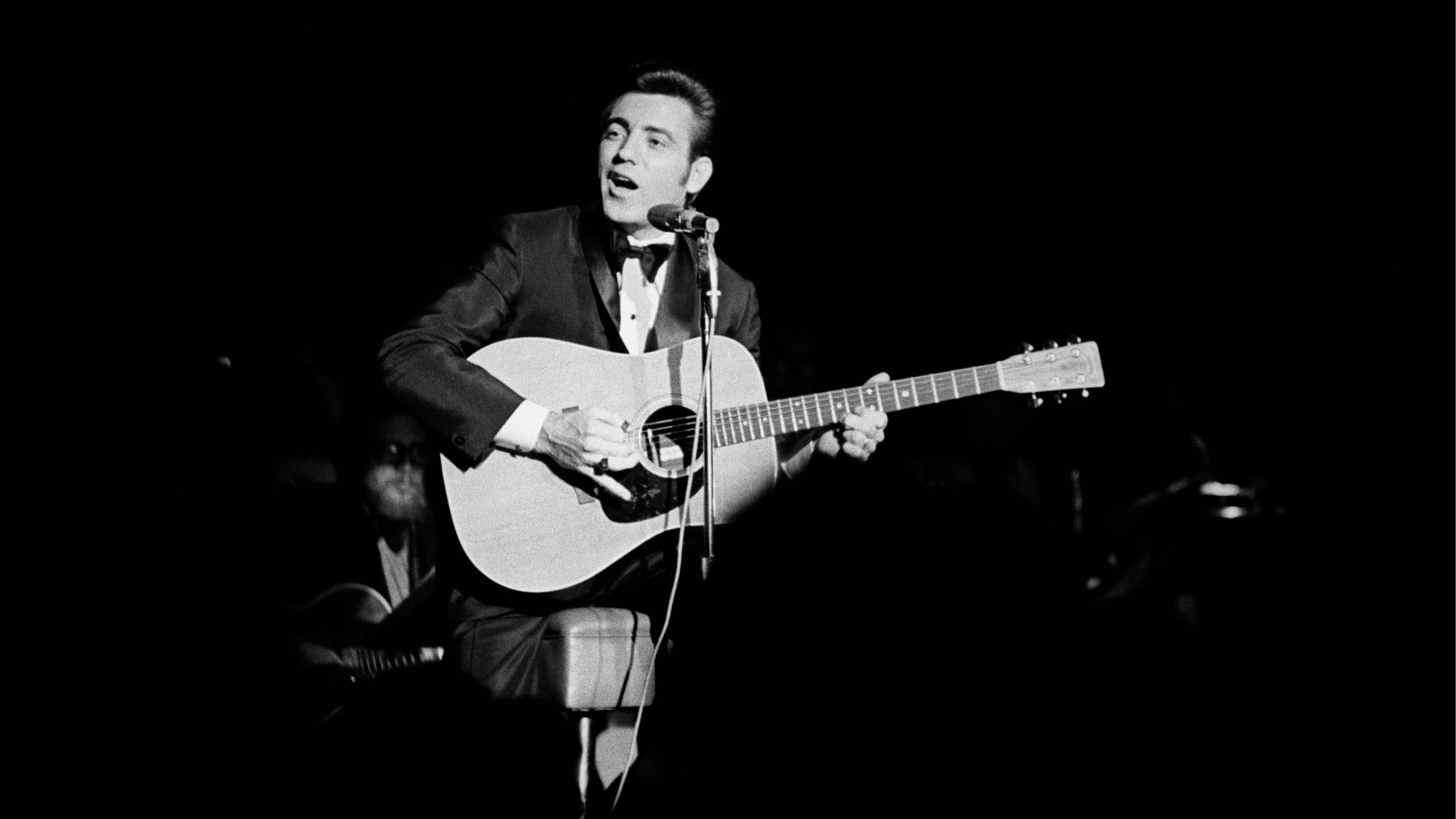
Photo by CBS Photo Archive/Getty Images

Leave a Reply
Only members can comment. Become a member. Already a member? Log in.