Your cart is currently empty!



The Death Cab For Cutie Song That Questions a Bride-To-Be’s Motives
Weddings are usually cause for great celebration for all those involved. That includes not only the participants, but also those in attendance. “Cath…”, a 2008 song by Death Cab For Cutie, is a song that’s simply not willing to join in those festivities.
Videos by American Songwriter
The titular character in the song is the bride, and it appears that nuptials are more a matter of convenience than happiness. As it turns out, the perceptive narrator isn’t the only one among the guests who knows it.
Cab Ride to the Top
By 2008, Death Cab For Cutie had reached a point in their careers where their album Narrow Stairs received national attention upon its release. That’s not usually the end result for a band known for playing intensely personal, often downcast songs.
But it’s important to remember the first decade of the new millennium featured a major boom for indie-rock songwriters willing to bare their souls for all to hear. In Ben Gibbard, Death Cab boasted just such a writer.
The band’s 2003 album Transatlanticism stood at the epicenter of the aforementioned indie-rock surge. At around the same time, Death Cab For Cutie had received an unexpected boost from being mentioned often on the teen soap The O.C.. The show featured a character obsessed with the band who didn’t hesitate to proclaim his fandom to the world.
Gibbard’s songs often skewed confessional in nature, as there didn’t seem to be much separation between himself and his narrators. “Cath…”, a centerpiece of Narrow Stairs, took more of an observational approach. The narrator in this song watches a bride on the day of her wedding. Seemingly privy to her innermost thoughts and desires, he contemplates her decision to marry.
Examining the Lyrics of “Cath…”
The narrator of “Cath…” makes it clear right off the bat that he has no qualms with the groom as a person, calling him a “well-intentioned man.” But he also knows that the bride-to-be isn’t comfortable standing by his side at the altar. “But she can’t relax,” Gibbard sings. “With his hand on the small of her back.”
Gibbard uses his comparisons to paint a poignant portrait of this girl. “She holds a smile / Like someone would hold / A crying child,” he explains. But he can also understand why she chose to make this leap, uneasy as she is. “’Cause your heart was dying fast,” he muses. “And you didn’t know what to do.”
The narrator suggests that the expectations of others have guided her to this point. “Cath, it seems / That you live in someone else’s dream,” Gibbard sings. The fact that her dress has been passed down to her implies that it’s her family applying the pressure. “You closed the door,” the narrator says. “On so many men / Who would have loved you more.”
By the final refrain, the entire church is side-eyeing the scene. “The whispers that it won’t last / Roll up and down the pews,” Gibbard sings. But the narrator ends by suggesting that those judging her should try to put themselves in her shoes. “They’d have done the same as you,” he insists.
Gibbard easily could have gone too far in castigating this character. Instead, he renders “Cath…” as a character worthy of empathy due to our sympathy for her predicament, instead of our exasperation at her decision.
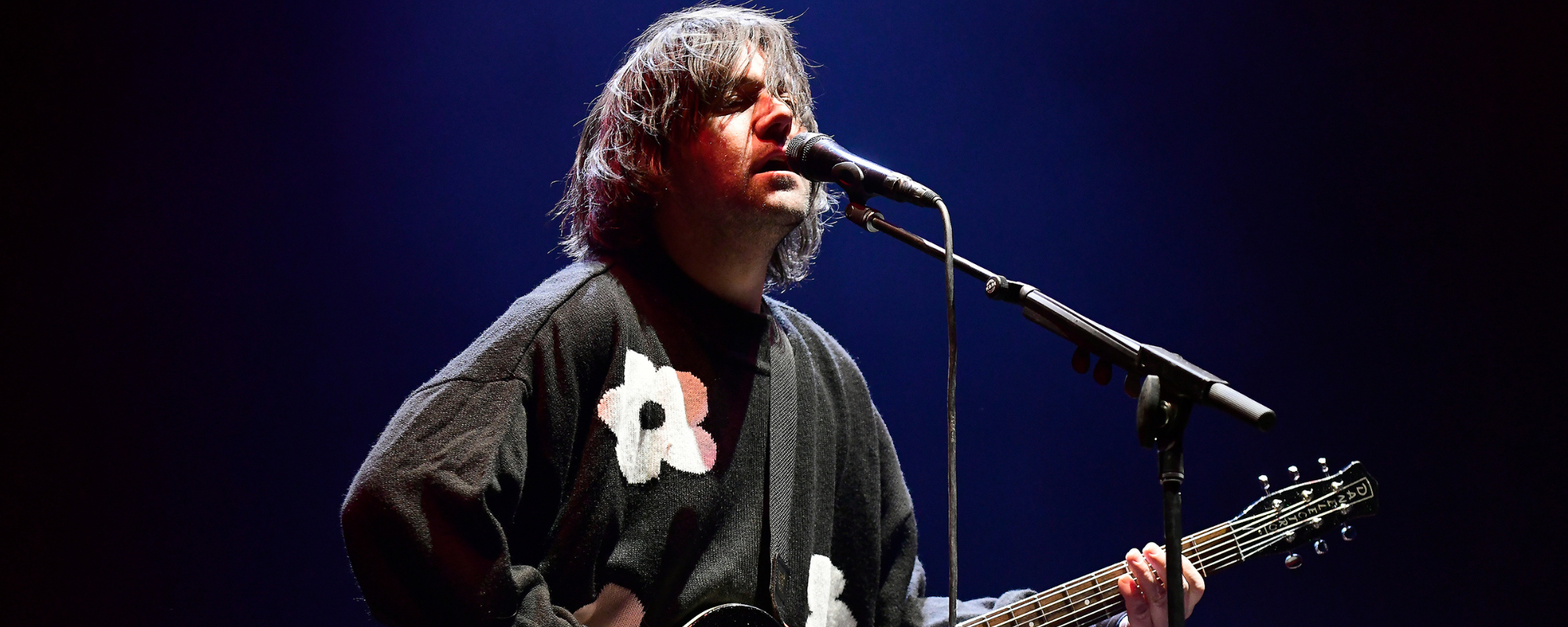
Photo by Emma McIntyre/Getty Images for KROQ/Entercom

Leave a Reply
Only members can comment. Become a member. Already a member? Log in.