Your cart is currently empty!



On This Day in 2001, Country Music Said Goodbye to One of Its Finest Songwriters, Who Penned Hits for Alabama and George Strait and a No. 1 for Don Williams
We’ve lost far too many greats in country music at young ages. And John Jarrard is certainly one of the most underrated. He was the songwriter behind some incredible music in the 1970s through the 1990s, and his contributions still make it to classic country radio today. Jarrard passed at the age of only 47 on this day, February 1, in 2001. Let’s celebrate this often unsung hero in songwriting by revisiting his life and career.
Videos by American Songwriter
The Legacy of John Jarrard
John Jarrard was born on May 7, 1953, in Gainesville, Georgia. He lived in his hometown for quite some time and worked as a disc jockey locally. In 1974, at the behest of a girlfriend who wanted to attend a convention in Nashville, Tennessee, Jarrard moved to Music City. During his time in Nashville, Jarrard recorded several demos with his friend and fellow songwriter, Bruce Burch.
Sadly, Jarrard’s health problems began years before his death. After moving to Nashville, he worked at a motel to support his songwriting career. He had to leave the motel in 1979, just a few years after moving to Nashville, due to complications caused by diabetes. Jarrard had lost his eyesight to the disease. He would also suffer kidney failure that would require a kidney and pancreas transplant.
“Of course, it can be said that adversity and misfortune are the two major sources of inspiration for country music writers, then Jarrard had a treasure trove of personal catastrophes to call upon for song ideas,” Zell Miller wrote in They Heard Georgia Singing about Jarrard.
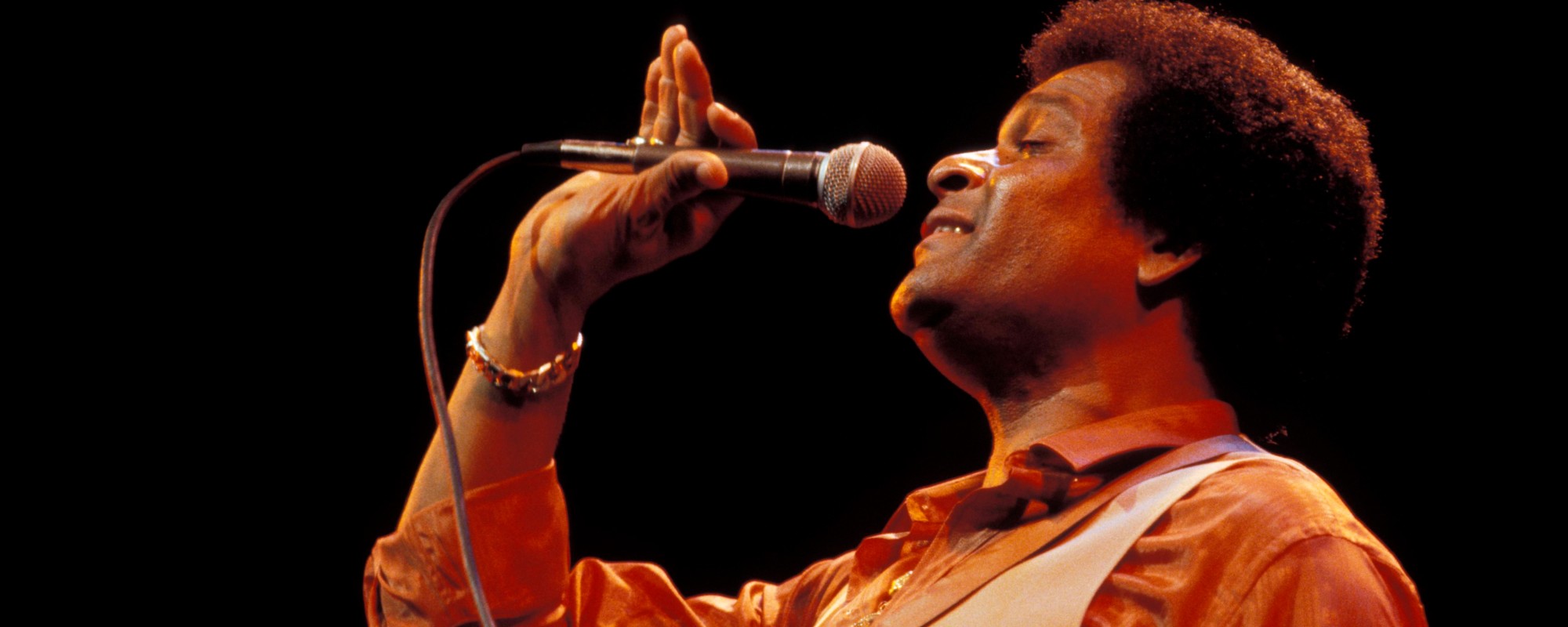
Despite his disability and health struggles, Jarrard continued to write remarkable music. His very first No. 1 single as a professional songwriter was Don Williams’ “Nobody But You”, released in 1983. Jarrard’s career would continue onward, and a number of big-name musicians and bands in country music recorded his work. A few include Alabama (“There’s No Way”, 1985), George Strait (“Blue Clear Sky”, 1996), Tracy Lawrence (“Is That A Tear”, 1996), Neal McCoy (“They’re Playin’ Our Song”, 1995), Charley Pride (“Shouldn’t It Be Easier Than This”, 1987), and many others. By the end of his career, Jarrard had 11 No. 1 hits on the country charts.
Sadly, his career and life would be cut tragically short. After suffering additional complications of diabetes, including a second kidney transplant and the amputation of both of his legs, Jarrard passed on February 1, 2001, of respiratory failure. Today, the Jarrard Burch Foundation maintains his legacy and organizes live concerts to support songwriters and charities in Georgia.
Photo by C Brandon/Redferns



Leave a Reply
Only members can comment. Become a member. Already a member? Log in.