Your cart is currently empty!


On This Day in 1972, Paul McCartney Wrote One of the Most Intense Protest Songs of His Career
The Beatles’ Paul McCartney didn’t pen that many protest songs during his career. That was more John Lennon’s gig. However, Macca did pen one particular protest song that was particularly intense. And it was inspired by an event that shook Irish and English culture for decades.
Videos by American Songwriter
That event is known as Bloody Sunday, a massacre that occurred in Northern Ireland on January 30, 1972. British soldiers shot 26 unarmed civilians during a civil rights protest, and 13 men were killed by the gunfire. Many of the victims were shot while fleeing and attempting to help the wounded.
Naturally, many people were outraged and horrified by what happened. One person who was particularly pained was Paul McCartney, who rushed to write the protest song “Give Ireland Back To The Irish” the day after, on January 31, 1972. He and Wings were in the studio to speedily record “Give Ireland Back To The Irish” by February 1, accompanied by Northern Irish guitarist Henry McCullough. The song would later be released on February 18, 1972.
The Enduring Legacy of “Give Ireland Back To The Irish”
Paul McCartney’s “Give Ireland Back To The Irish” was promptly banned by the BBC and a number of other organizations, and it was more or less overlooked in the US. Despite that, the song peaked at No. 16 on the UK Singles chart, No. 21 on the Billboard Hot 100, and No. 1 on the Irish Singles chart.
The song would be McCartney’s first very direct political song. After its release, McCartney was condemned by much of England’s media for apparently having pro-IRA beliefs. Outside of taking sides, some critics condemned the song’s lyrics for being “simple” and an attempt to capitalize on a tragedy.
I see it differently. Considering McCartney was a lifelong pop songwriter, it makes sense that the lyrics of his first protest song would be rather simplistic. Certain lyrics are particularly devastating, too. “Great Britain and all the people / Say that all people must be free / Meanwhile, back in Ireland / There’s a man who looks like me” is one line that comes to mind.
Wings would go on to perform the song regularly throughout their first concert tour throughout England and Wales. During that period, BBC would formally ban the song. McCartney’s response? “Up them! I think the BBC should be highly praised, preventing the youth from hearing my opinions.”
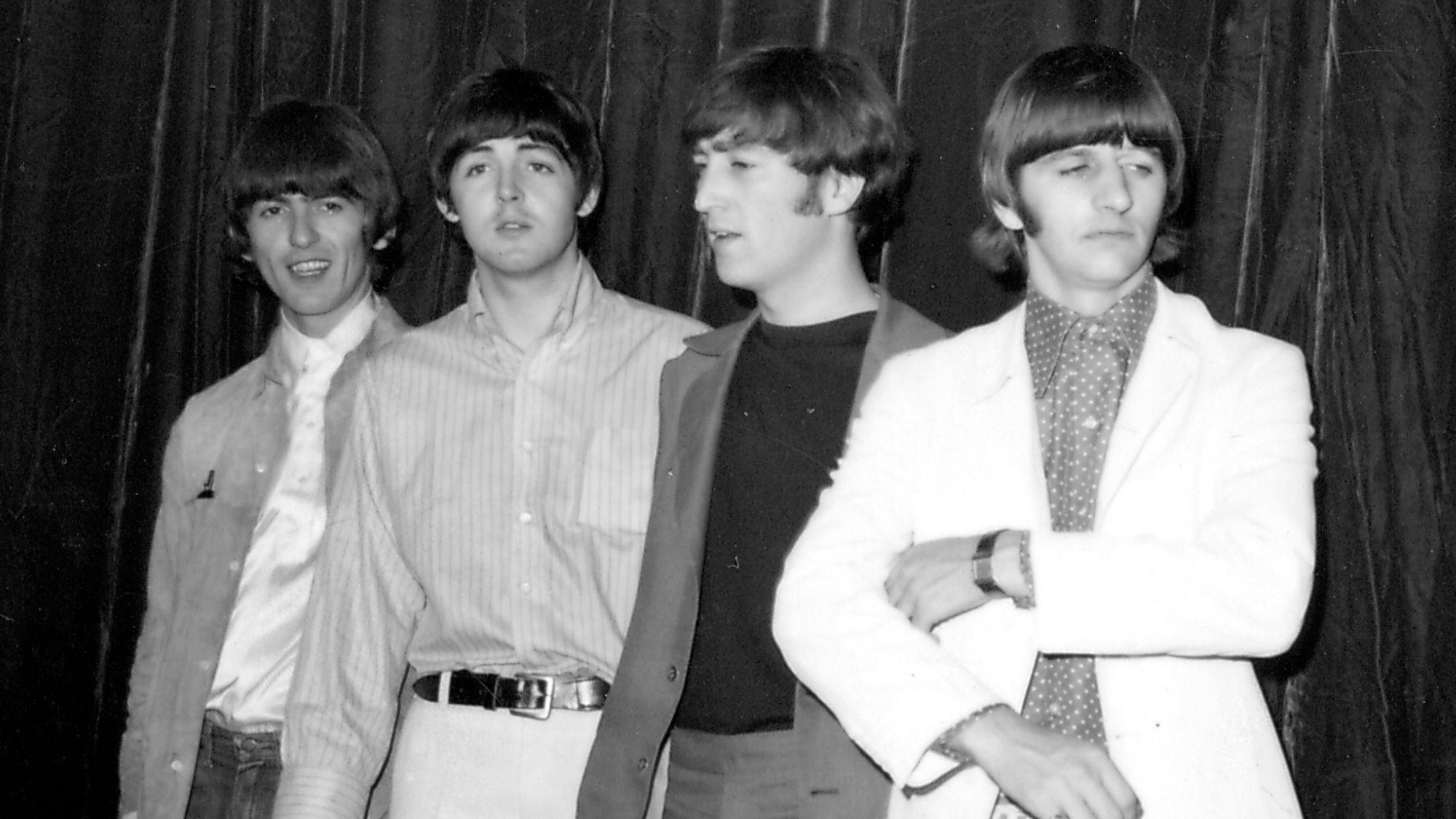
Photo by Kenneth Jonasson/Expressen/TT/Shutterstock
Leave a Reply
Only members can comment. Become a member. Already a member? Log in.