Outlaw country music began in the 1970s as a punk-rock response of sorts to the clean and polished Nashville pop-leaning sound of the times. Gritty, dark, progressive, and full of folk and even rockabilly elements, outlaw country exploded in the 70s. That was thanks to the help of icons like Willie Nelson, Waylon Jennings, and others. But outlaw country music’s roots can be traced further back to proto-outlaw songs from the 1960s. Let’s look at just a few examples.
“I’m A Lonesome Fugitive” by Merle Haggard and The Strangers from ‘I’m A Lonesome Fugitive’ (1966)
Unsurprisingly, Merle Haggard makes it to this list of country songs that predicted the outlaw movement in the 1960s. “I’m A Lonesome Fugitive” is the title track of the album of the same name, written by Liz and Casey Anderson. It was a smash hit at No. 1 on the country charts, and I can see why. Haggard’s prison stint was still relatively fresh when this song dropped, and his rough-around-the-edges persona really came to life. Not a lot of Nashville countrypolitan singers at the time were singing about being a fugitive, something that would come to define outlaw country the following decade.
Videos by American Songwriter
“Only Daddy That’ll Walk The Line” by Waylon Jennings from ‘Only The Greatest’ (1968)
Waylon Jennings would later become deeply involved in the outlaw country movement. But during his early years as a musician, he leaned more toward regular country. “Only Daddy That’ll Walk The Line” from 1968 marks a transitional period of sorts in which Jennings’ voice got rougher, his attitude got tougher, and he really started to become more himself in his music. This song ended up being a hit for Jennings, peaking at No. 2 on the Hot Country Songs chart.
“The Streets Of Baltimore” by Bobby Bare from ‘The Streets Of Baltimore’ (1966)
Outlaw country songs are often bleak in terms of narrative. This disillusionment-heavy song from Bobby Bare definitely fits that bill. Written by Tompall Glaser and Harlan Howard, this song was first recorded by Bare and would later be covered by countless others, from Charley Pride to John Prine to Willie Nelson. Bare’s version of “The Streets Of Baltimore”, however, has the clearest rumblings of what would eventually become the outlaw country movement.
(Photo by Michael Ochs Archives/Getty Images)
More The List
-
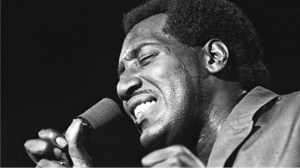
Otis Redding performing at the Monterey Pop Festival, 1967 -
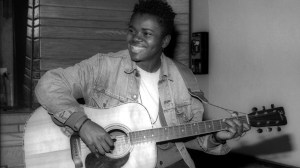
American singer-songwriter Tracy Chapman plays her Fender acoustic guitar at a recording studio in Los Angeles, California, circa 1988. (Photo by Lester Cohen/Getty Images) -
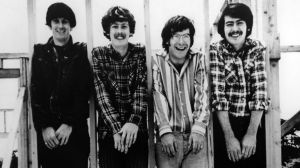
UNSPECIFIED – JANUARY 01: Photo of John SEBASTIAN and Zal YANOVSKY and LOVIN' SPOONFUL; Posed group shot, (Photo by Charlie Gillett Collection/Redferns) -
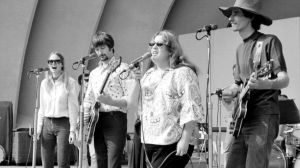
Photo by Michael Ochs Archives/Getty Images -
Carole in front of her home on Appian Way taken 2/13/71 -
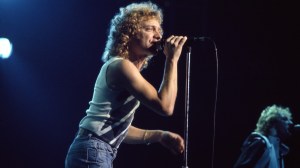
American Rock musician Lou Gramm (born Louis Grammatico), of the group Foreigner, performs onstage at Madison Square Garden, New York, New York, October 30, 1981. Visible at right is Rick Wills, on bass. The group was performing in support of their album, '4.' (Photo by Gary Gershoff/Getty Images) -
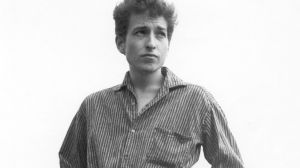
Bob Dylan poses for a portrait to promote the release of his album 'The Times They Are A-Changin'' in January 1964. (Photo by Michael Ochs Archives/Getty Images)