
Even the biggest music fans know that lyrics often make the track. People turn to songs for the emotions they summon, for the feeling they can provide. But those moods are often accentuated by exquisite lyricism and verbal acuity. Here below, we wanted to highlight three such examples. We wanted to showcase three hit songs from decades past that prove lyrics are key. Indeed, these are three one-hit wonders from the 1970s that are more like poetry.
Videos by American Songwriter
“Lovin’ You” by Minnie Riperton from ‘Perfect Angel’ (1974)
Plain and simple, this track from Minnie Riperton’s 1974 LP, Perfect Angel, is one of the greatest love songs of all time. Not only is it a brilliant performance by the lilting singer, but the lyrics are bold and beautiful as well. Riperton does not shy away from how she feels—not in sentiment and not in word choice. The result is a classic track that feels both honest and devoted. That’s not an easy line to walk for a singer, a songwriter, or a poet.
“Don’t Let Me Be Misunderstood” by Santa Esmeralda from ‘Don’t Let Me Be Misunderstood’ (1977)
To express such a passionate sentiment as “Don’t let me be misunderstood” is an action fit for the most epic of poems. Indeed, to be understood is no easy task. So, to pine for acceptance and to be seen—well, we’ve seen some of the most epic characters do just that. It’s also what Santa Esmeralda does in this classic disco tune from 1977 (and cover of the Nina Simone original). With fast-paced clapping, percussive acoustic guitar, and sonic flavors out the wazoo, this song is part poetry and part club smash. That’s no easy task.
“Love Hurts” by Nazareth from ‘Hair Of The Dog’ (1975)
Sometimes poetry is lush and loquacious, sometimes it describes very elaborate, complex things. Sometimes, though, it’s plain. Just ask poets like Charles Bukowski or Raymond Carver. Or the band Nazareth. Their song “Love Hurts” states clearly what’s at stake. Sanity, stability, health—safety. Love can make a life better, it can also poison and pain if misused. Nazareth makes that balance clear, offering, “Love is like a flame / it burns you when it’s hot.“
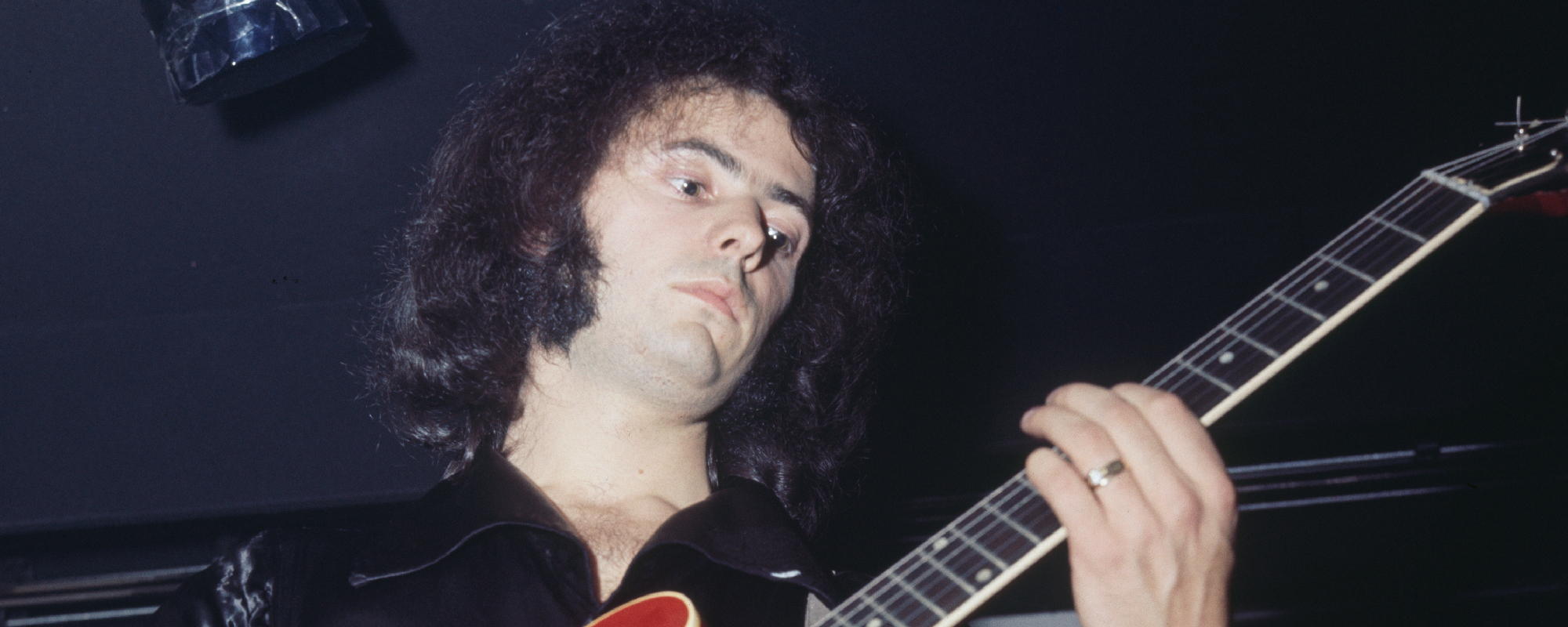
Photo by Fin Costello/Redferns








Leave a Reply
Only members can comment. Become a member. Already a member? Log in.