Your cart is currently empty!



4 Legendary Rock Bassists Who Also Stand Out As Songwriters
Bassists often act as the unsung heroes of the rock and roll world. Their contributions often go unnoticed, even as a great bass player can make all the difference in the sound and musical chemistry of a band.
Videos by American Songwriter
One way that a bassist can stand out a little bit more is if they also write songs. In the case of these four bassists, their efforts in the songwriting department have mostly outshone the excellent work they’ve done on their instruments.
Paul McCartney
Of course, we were going to start with one of the original songwriter/bassists and the guy who set the standard. Paul McCartney only became The Beatles’ bassist by default, as no one else in the group wanted to do it. Yet he immediately set himself apart with bold basslines that often acted as countermelodies within the group’s songs. Meanwhile, he and John Lennon formed the greatest songwriting partnership in rock history, whether they were writing together or simply weighing in on each other’s songs. McCartney took those skills into his post-Beatles career, first as the leader of Wings and then within a solo career, where his bass playing often played into the catchiness of the songs he was writing.
Ronnie Lane
The Small Faces featured Steve Marriott out in front as lead singer and guitarist. But Lane did a lot of writing for the group, including a co-writer’s credit on “Itchycoo Park”, the band’s lone Top 20 hit in America. When Marriott left the band to form Humble Pie, the remaining Small Faces (Lane, Ian McLagan, and Kenney Jones) connected with singer Rod Stewart and guitarist Ronnie Wood and shortened the name to just Faces. This unit went in more of a blues-rock direction than The Small Faces, who favored psychedelia. Meanwhile, Lane continued his role as a frequent songwriter, penning classics like “Debris” and “Ooh La La” during the band’s brief early 70s heyday.
Roger Waters
Roger Waters originally played a secondary role as a writer in Pink Floyd. Syd Barrett acted as the band’s undisputed frontman when they burst onto the scene in 1967. But Barrett’s mental decline forced the other members of the band to remove him from that role. For a while, Floyd divvied up the writing duties. It soon became clear that Waters had developed not only as a writer but also as the driving force behind the band’s concept albums. Oddly enough, as he took over as Floyd’s artistic catalyst, he slowly set aside the dreamy soundscapes for which the band had become known. That switch largely sidelined some of the inventive bass playing he did in the band.
Sting
The Police stood apart in the late 70s music scene, which is when they emerged as a force. They played their instruments much better than the punk bands all around them. And they were a little bit more brooding than some of the British New Wave acts that started to rise at that time. But they were musically adventurous, dipping into reggae, ska, and rock. Sting’s bass-playing helped to ground the band’s sound, no matter what they tried. Meanwhile, he also did the vast majority of the writing and singing, especially when it came to The Police’s singles. Eventually, his role in the band became a little too outsized for it to continue (much as had been the case with Roger Waters).
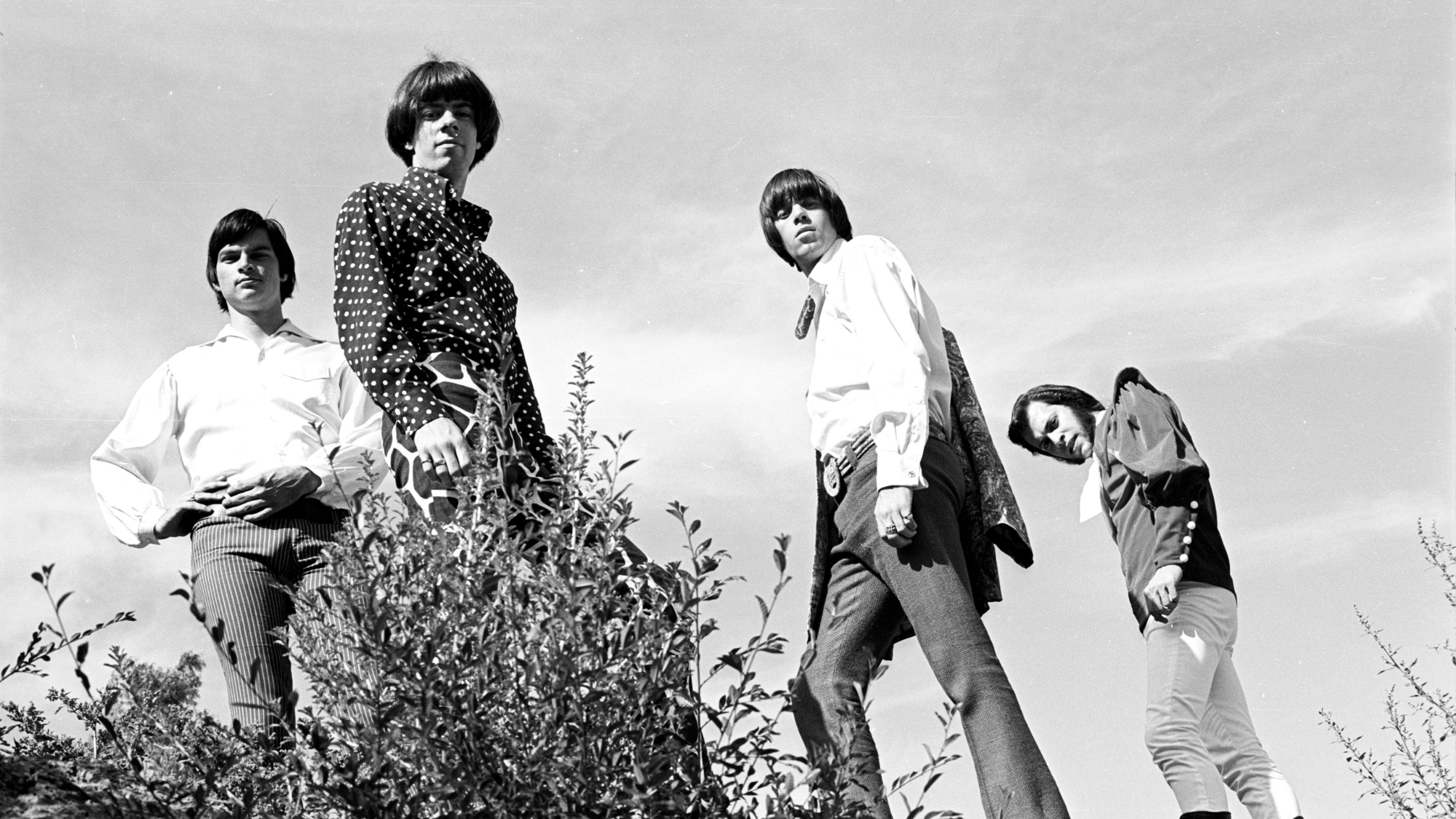
Photo by Richard McCaffrey/Michael Ochs Archives/Getty Images

Leave a Reply
Only members can comment. Become a member. Already a member? Log in.