Your cart is currently empty!



The Bob Dylan Lyric Searching for Elusive Domesticity
Most Bob Dylan experts will tell you the quality and daring of his work fell off a bit in the late ‘60s and early ‘70s. It was more a question of want-to than anything, as he concentrated more on his family life than on trying to write epic material.
Videos by American Songwriter
But even in this so-called “domestic” period of his career, Dylan still occasionally reached back for his fastball. “Sign on the Window” is one of those ace songs from that era, in large part because it explores the heartbreak of falling short of achieving a happy home.
“Window” Dressing
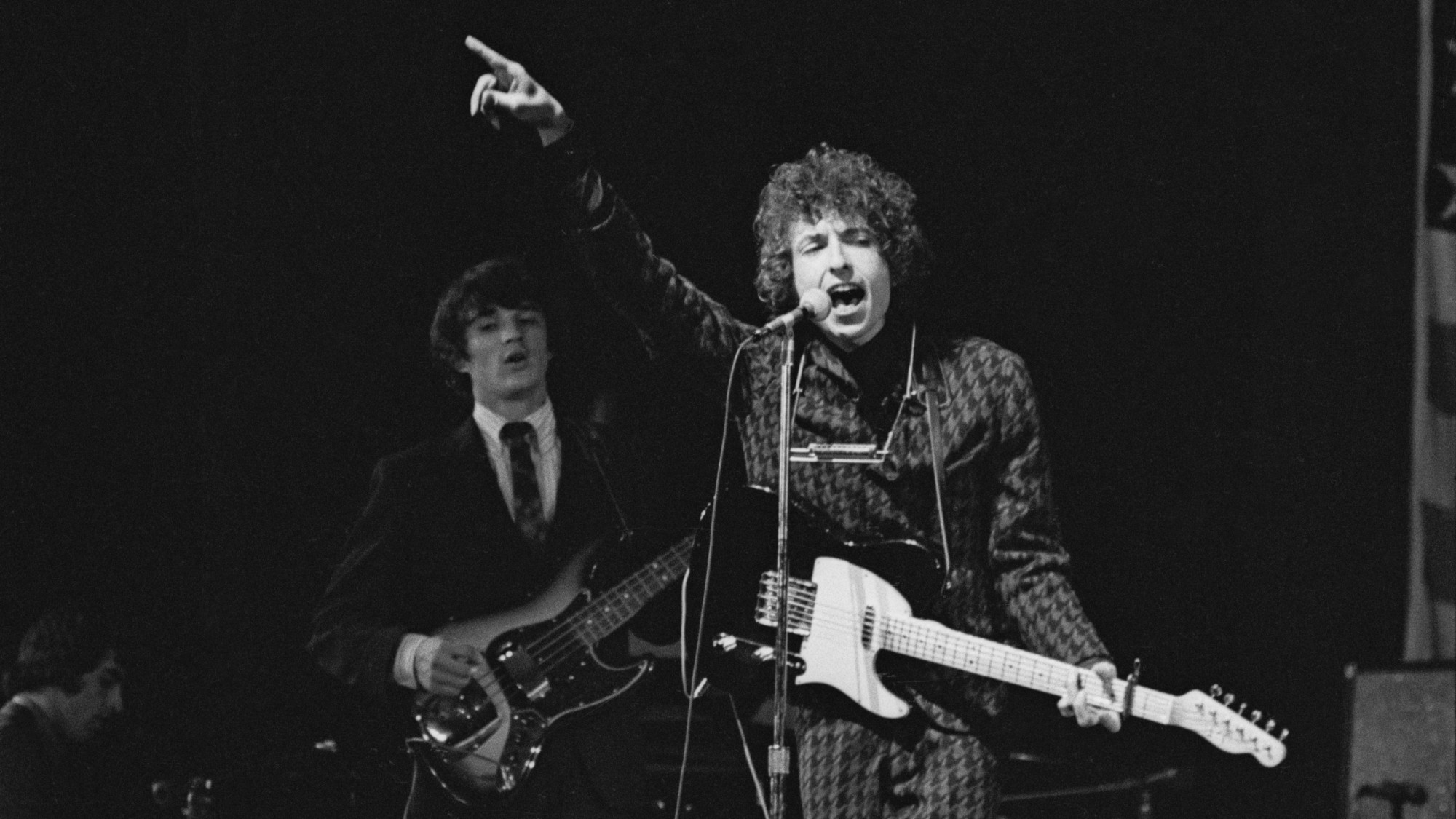
Bob Dylan largely backed away from the limelight following a motorcycle accident in 1966. Whether the accident was the cause of this decision, or if it simply gave Dylan the excuse that he needed to make that choice, is still unclear to this day. The bottom line is he slowed down the pace and seemed to pull back in terms of his artistic ambition.
His songs became shorter and simpler. He even dabbled heavily in cover songs on his 1970 album Self Portrait. It was the second straight album where he sounded more like a country crooner than the wise-guy prophet of old, and the critics weren’t having it.
He responded with New Morning just a few months after Self Portrait was released. Dylan claimed that was always the plan and the quick turnaround wasn’t to respond quickly to the bad reviews. Whatever the case, the new album showed him dedicated once again to originals, and the public responded to it well.
Many songs on New Morning touch on Dylan’s newfound family life and his comfort level with it. “Sign on the Window” deviates a bit from that formula, as it allows some bluesy feelings to enter the picture. Featuring Dylan’s excellent piano work and, of all things, a flute interlude, it’s an inviting song from a musical sense, even as the emotions expressed in the lyrics are somewhat tortured.
Examining the Lyrics to “Sign on the Window”
When he wrote “Sign on the Window,” Bob Dylan was devoted to cultivating his life with wife Sara and their children. But the song imagines a world where that special one turns out to be the one that got away. It happens because she’s found someone else.
The first verse is devoted to a series of signs that torture the narrator. One reflects his state of mind, simply saying, Lonely. Another tells him to stay away: No company allowed. We then find out the reason for these warnings: Sign on the porch says, “Three’s a crowd.”
In the second verse, the narrator explains the new couple has absconded for the West Coast, a not unexpected development: My best friend said, “Now didn’t I warn you? / Brighton girls are like the moon.” The bridge finds him mired in bad weather in the city (Sure gonna be wet tonight on Main Street) that just seems to keep getting worse.
In the final verse, the narrator indulges in a fantasy of the life he might lead if he finds another love: Build me a cabin in Utah / Marry me a wife, catch rainbow trout / Have a bunch of kids who call me “Pa.” He then breaks from this reverie to confide in us how badly he wants it: That must be what it’s all about. The wonder and ache in Dylan’s voice when he sings this line is quite moving.
Bob Dylan would once again go back to the life of a touring rock star, and the old ambition of his music would also return. Sadly, that period also coincided with the collapse of his marriage. “Sign on the Window” imagines a happier ending, even as the bulk of the song is streaked in heartbreak.
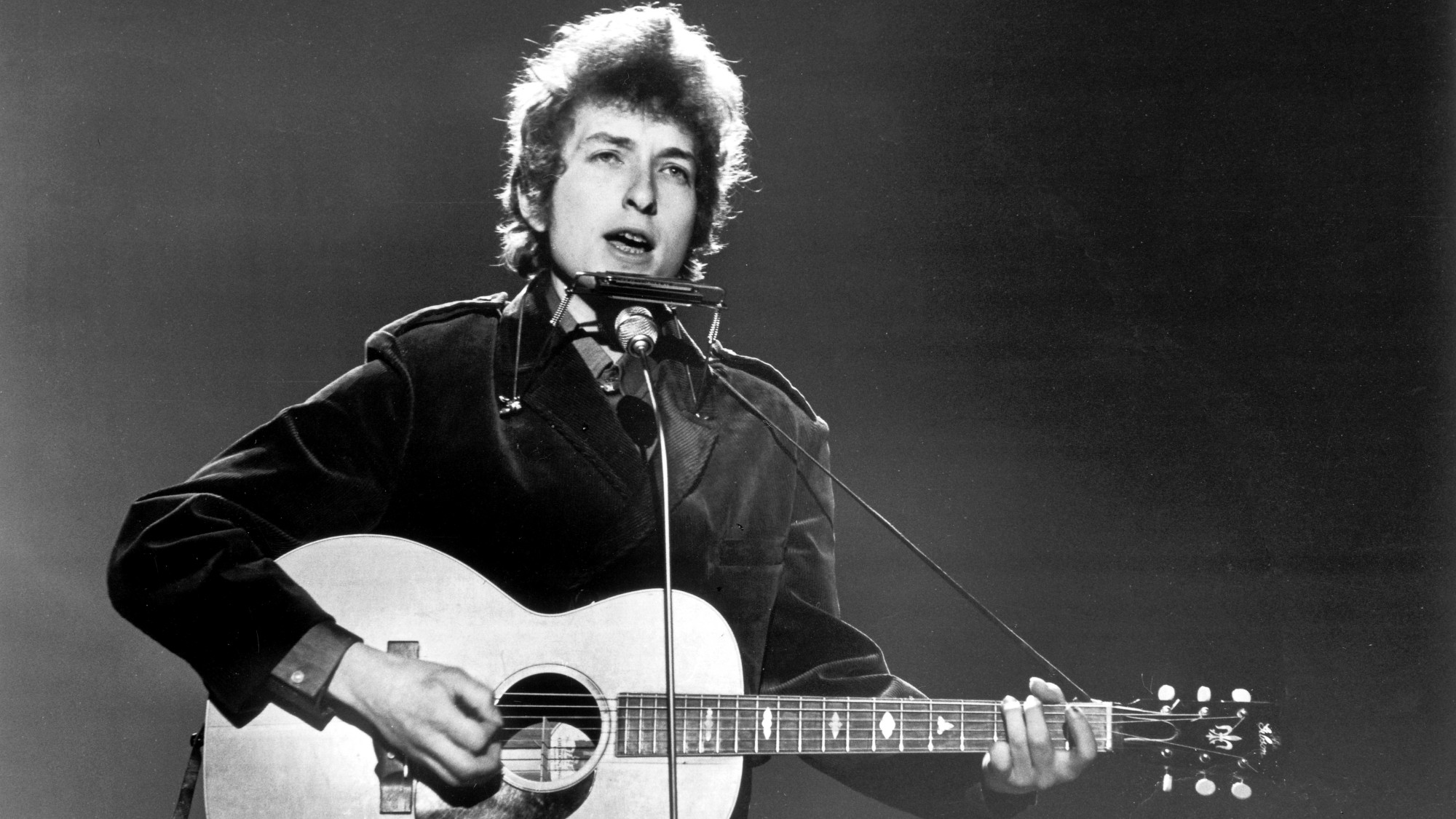
Photo by Michael Ochs Archives/Getty Images





Leave a Reply
Only members can comment. Become a member. Already a member? Log in.