Your cart is currently empty!



John Craigie Taps Bob Dylan Method, Marks Number of Firsts, and “Rebirth” on Tenth Album ‘I Swam Here’
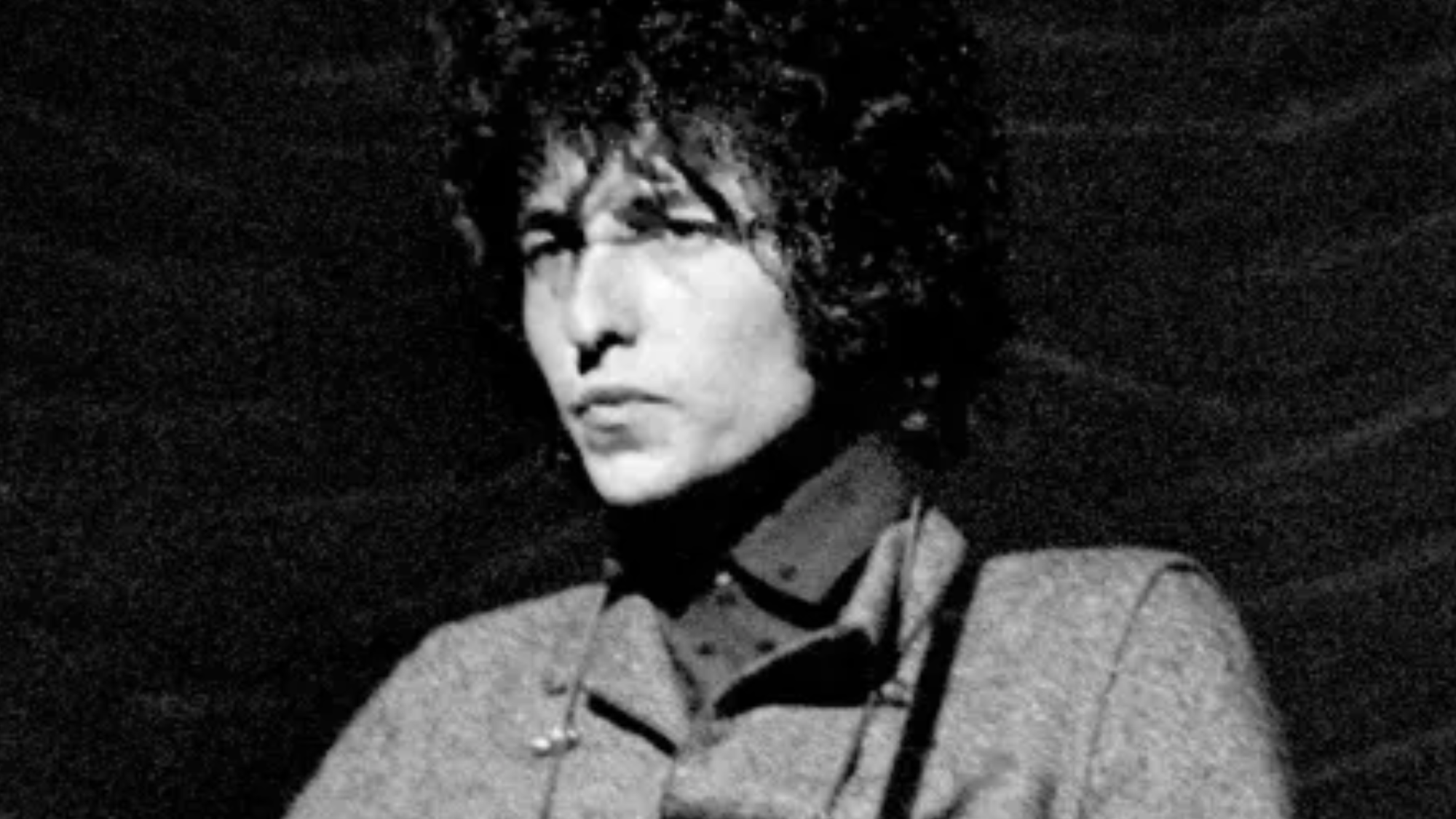
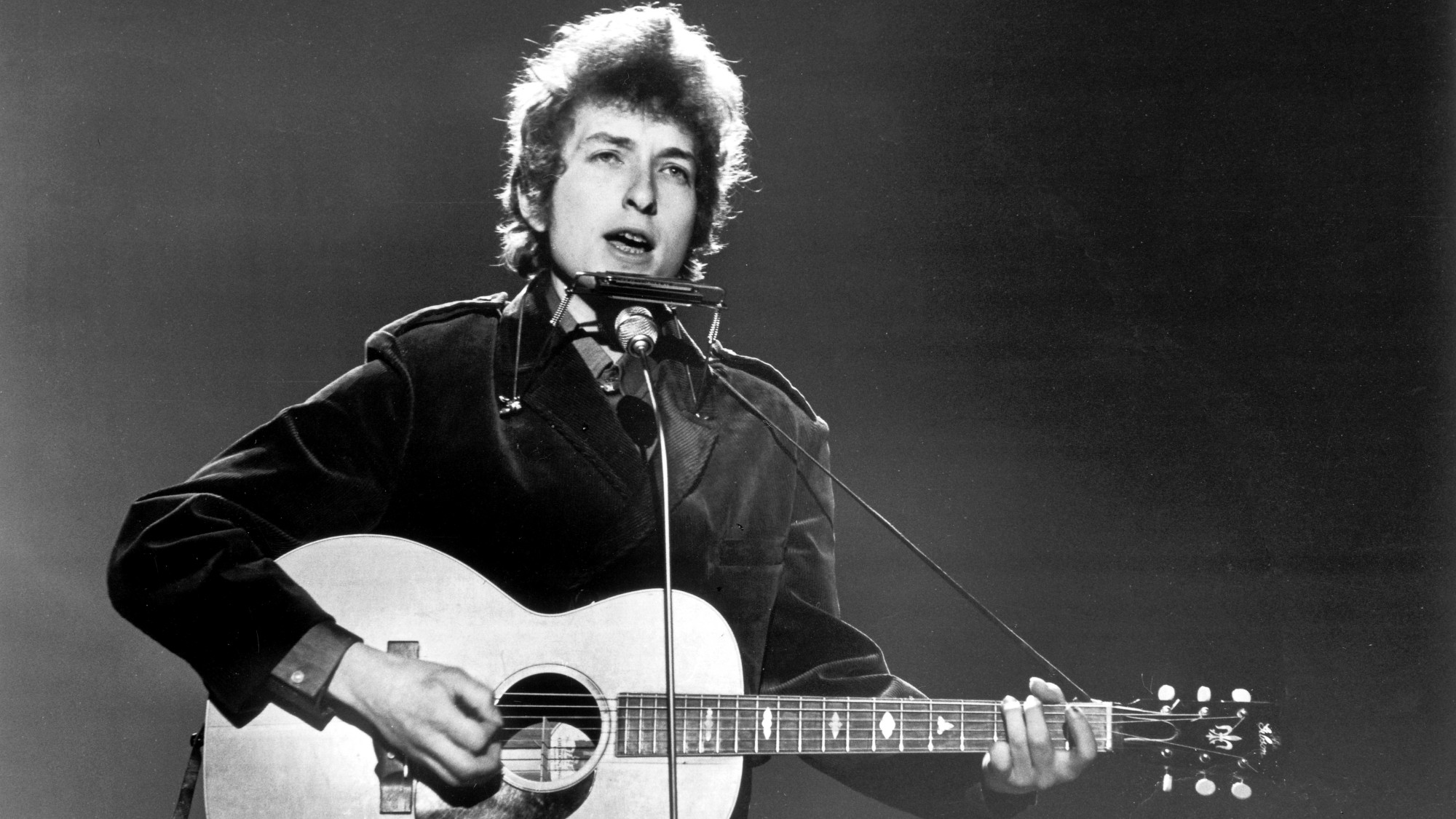
When Bob Dylan started working on Blood on the Tracks in 1974, he employed a split-recording in two separate areas. The first featured five more bare-bones acoustic tracks from a session in New York, and another five re-recorded in Minnesota with a full band and an upped tempo. The hybrid approach captured a sonic texture that reflected the real-life tensions and personal upheavals in Dylan’s life at the time, alongside some of his more vulnerable tracks like “You’re a Big Girl Now” and “If You See Her, Say Hello,” a nod to his then-separation from wife Sara.
Portland, Oregon-based singer-songwriter John Craigie borrowed the Dylan method while recording his tenth album, I Swam Here, with seven tracks set in New Orleans with a group of local musicians and the remaining three with an entirely different team in Oregon. Written and produced by Craigie, I Swam Here penetrates the soul of New Orleans and the drifting nature of the Pacific Northwest.
“The intention in the mixing is to not have the listener able to tell which ones were recorded where,” said Craigie in a previous statement, “but it’s possible some attentive ears will be able to.”
Something Craigie also borrowed during the recording was a nylon-string guitar owned by his longtime collaborator, New Orleans singer-songwriter and multi-instrumentalist Anna Moss (Handmade Moments), who appears on nine of the ten songs. It was a first for Craigie playing the nylon guitar, which he used on a majority of the tracks.
“It was softer, more gentle coming off of ‘Pagan Church’ (Craigie’s 2024 release), which I liked, but sometimes it’s nice to swing the pendulum,” says Craigie. “I found myself writing more gentle songs. Even on the steel string, I think I imagined them to be nylon.”
Videos by American Songwriter
I Swam Here moves on a journey of renewal, from the opening “Mermaid Weather,” an obvious New Orleans cut to the mellowed folk of “Fire Season,” the first track Craigie wrote for the album around the release of Pagan Church, which was also inspired by Moss’s guitar playing.
“She plays a lot of nylon string guitar and uses a lot of major seventh chords, diminished chords, which is not something I normally do,” he says, “but as I was working on ‘Fire Season,’ I was picking up more of those chords.”
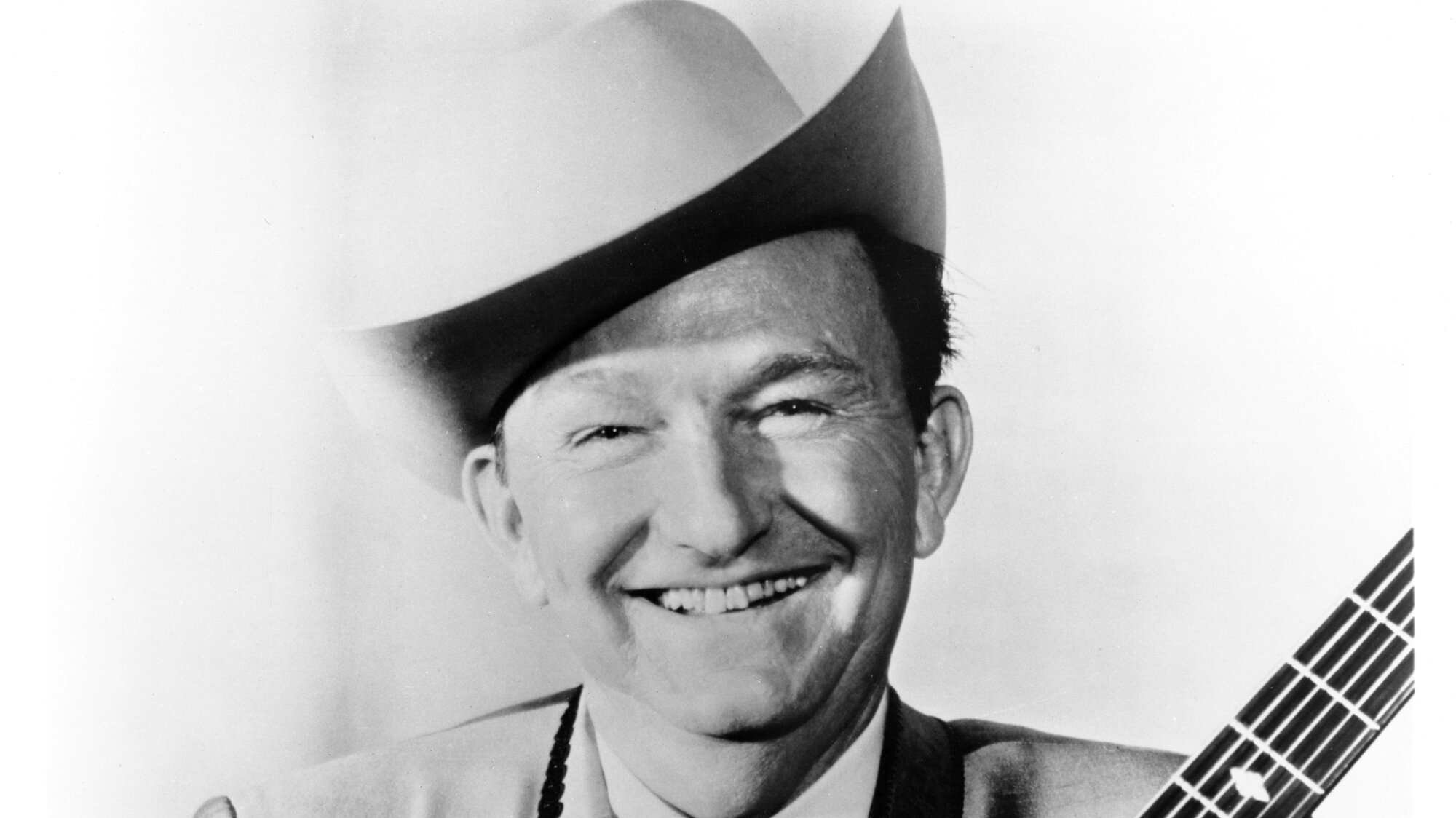
Along with imagery of water, death, and rebirth throughout the album, I Swam Here is layered by a long journey, shares Craigie. “Follow our Whispers” is a more haunting love story, while “Edna Strange” moves Craigie over to a steel-string acoustic, trying to capture the old-school harmonies from the likes of country and Western singers like Marty Robbins.
“The death and the rebirth seem to be sort of like a common thing I noticed from the start to the finish of it,” says Craigie. “As I was writing these songs, I felt a gentleness of the nylon string throughout. It’s also another level of the pendulum swing from ‘Pagan Church,’ which had a lot of sassiness and loudness. I wanted something that was really gentle, really soft.”
The album is also a time machine of sorts, transporting different sounds and places, from “Dry Land,” one of the earlier tracks written for the album, carrying the calm of the Pacific Northwest to the more ’50s-’60s shuffling drums and croon closing on “Don’t Let Me Run Away.”
As a songwriter, I Swam Here leaves Craigie a long way from his 2009 debut, Montana Tale. “When you’re younger, you’re really excited, and you’re very confident,” he says. “So it’s a first thought-best thought kind of thing where you write a song, and you’re just happy it’s written, and you’re attached, and it feels very precious.”
He laughs, “I listen back to some of those early ones, and I still like them, but I think, ‘Wow, you really just went with the first round, didn’t you?’”
As Craigie preps for his upcoming tour around I Swam Here, December will mark another first and milestone with Craigie’s debut performance alongside the Oregon Symphony at the Arlene Schnitzer Concert Hall in Portland, Oregon. The symphony will reimagine a collection of Craigie’s songs, something he says was a bit intimidating at first.
“When I met with the composer who will arrange the songs, it was really inspiring,” he says, “and made me excited about what could be done.”
Craigie also realized one other thing, he’ll need if he’s going to start writing again: “I got to get myself a nice nylon string guitar.”
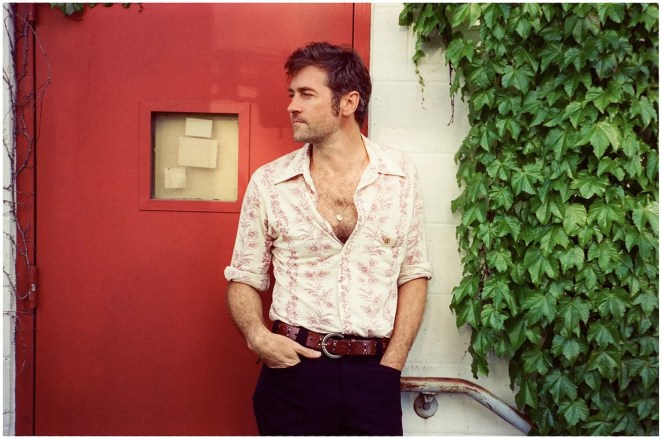
Photo: Carly Montgomery


Leave a Reply
Only members can comment. Become a member. Already a member? Log in.