Your cart is currently empty!



On This Day in 1960, Jim Reeves Topped the Charts With a Song That Became One of the Biggest Country Music Hits Ever
Jim Reeves was just 40 years old when a tragic plane crash near Brentwood, Tennessee, snuffed out both his young life and his promising country music career. However, his legacy would long outlive him. Mary Reeves would continue releasing her husband’s music even after his death. A good many of those songs reached the charts. Reeves was certainly no stranger to the country music charts when he was alive, either. On this day (Feb. 8) in 1960, he was at No. 1 with “He’ll Have to Go.”
Videos by American Songwriter
Jim Reeves Knew He Had a Hit With This One
Written husband-wife duo Joe and Audrey Allison, “He’ll Have to Go” is about a man talking by telephone to his partner when he realizes another man is with her. In the second verse, he gives the woman a choice. Though love is blind, make up your mind, I’ve got to know / Should I hang up or will you tell him, he’ll have to go?
These lyrics are inspired by a real-life conversation between the Allisons. Due to background noise and Audrey’s soft-spoken nature, her husband had to ask her to put her mouth very close to the receiver. This inspired the song’s opening line: Put your sweet lips a little closer to the phone.
Singer Billy Brown originally recorded “He’ll Have to Go,” and Jim Reeves took to it instantly. However, others urged him to wait and see if Brown’s version gained any traction. Still, Reeves reportedly insisted, “This is going to be the big one. No matter what I’ve done in the past, or ever will do, ‘He’ll Have to Go’ is going to be the one that will live on.”
He wasn’t wrong. In addition to spending 14 straight weeks atop the country singles chart, Reeves’ rendition of “He’ll Have to Go” peaked at No. 2 on the Hot 100. It also reached No. 13 on the R&B singles chart.
“He’ll Have to Go” was Jim Reeves’ final No. 1 hit during his lifetime. After his death, he would go on to score six more chart-toppers, bringing his career total to 11.
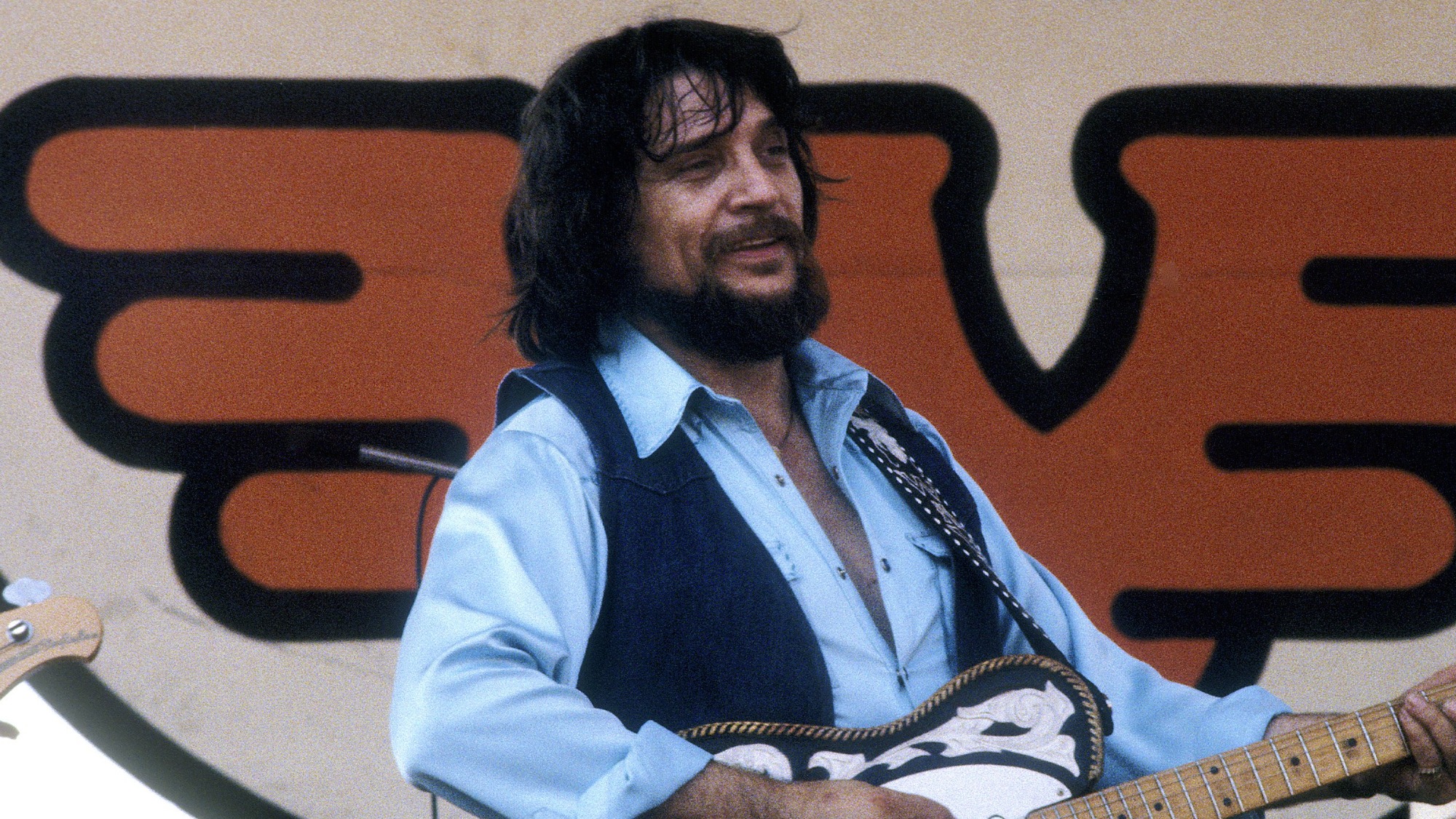
Featured image by Michael Ochs Archives/Getty Images






Leave a Reply
Only members can comment. Become a member. Already a member? Log in.