Your cart is currently empty!



On This Day in 2001, Bob Dylan Recorded a Made-For-Film Country Song That’s Eccentric Even by Dylan’s Standards
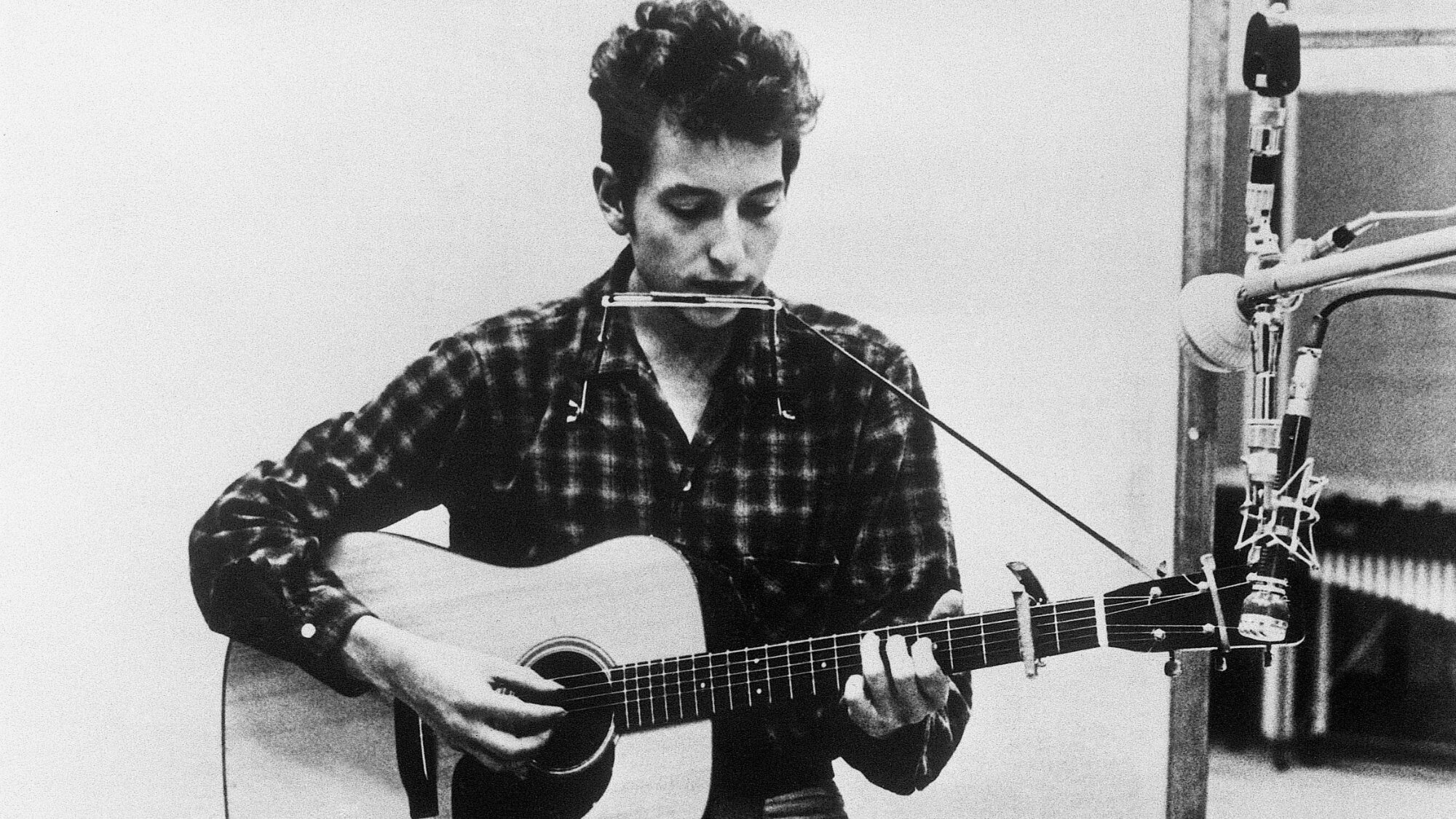
Bob Dylan has always been and continues to be an anomaly in terms of songwriting, demeanor, and creative direction, and the made-for-film song he recorded on November 26, 2001, for the dramedy Divine Secrets of the Ya-Ya Sisterhood, starring Sandra Bullock, is no small exception. The movie soundtrack had several original compositions, of which Dylan’s “Waitin’ For You” was one, in addition to songs by Lauryn Hill and Jimmy Reed.
Videos by American Songwriter
Appropriately described as an “oddity in the Dylan canon” in Clinton Heylin’s Still on the Road, the rump-pump-pump feel of Dylan’s country waltz, “Waitin’ For You”, sounds all the more disjointed when butted up against Dylan’s scratchy, rubato vocals. He had been on the road for a while by the time he stepped into Sony Recording Studios in New York City that November, and the grit in his voice makes that clear. And somehow, it helps illustrate the relationship we’re to assume Dylan is referencing from the actual film.
In Divine Secrets of the Ya-Ya Sisterhood, Sandra Bullock’s Siddalee Walker must confront her mother, Ellen Burstyn’s Vivienne, in a tense look at female relationships, particularly familial ones. Some of the lyrics in Dylan’s “Waitin’ For You” clearly allude to this kind of bond, though the sheer number of apparent literary and musical references makes this tune odd, even by Dylan’s standards.
The Many Sources of Inspiration for Bob Dylan’s “Waitin’ for You”
Bob Dylan is a musician who evades expectation. Whether recording a collection of Christmas carols or releasing a three-album jazz compilation, Dylan will always do precisely what he feels like doing—no more, no less. While it’s unclear what drew Dylan to Divine Secrets of the Ya-Ya Sisterhood, his addition to the soundtrack proves that he was, at least in some way. Based on the impressive number of references Dylan drops into the song, perhaps there was something about the film’s storyline that reminded him of so many other things.
In the third verse, Dylan includes a reference to Daniel Decatur Emmett’s “De Boatman’s Ball”. Other notable compositions by the founder of the first blackface minstrel group in the U.S. include “Dixie”. Almost immediately, Dylan moves on to a line that seemingly references a poem by British poet Francis William Bourdillon with his line, “The night has a thousand hearts and eyes.” Lines like “Another deal gone down / Another man done gone” and “I’ve the last fair deal gone down” come from folk standards around the late 1930s and early 1940s.
Dylan even hides another reference to Percy Bysshe Shelley’s 1822 lyrical drama, Hellas. Shelley wrote, “Hope may vanish, but can die not,” in the work he dedicated to Prince Alexander Mavrocordato during the Greek War of Independence. In his song for Divine Secrets of the Ya-Ya Sisterhood, Dylan sang, “Hope may vanish, but it never dies / I’ll see you tomorrow when freedom rings.” The entire thing is a beautifully eccentric example of Dylan’s hard-to-pin-down nature. Reviews of the film were mixed, much like the reaction to this deep-cut Dylan track.
Photo by NILS MEILVANG/SCANPIX DENMARK/AFP via Getty Images

Leave a Reply
Only members can comment. Become a member. Already a member? Log in.