On May 20, 2014, the man responsible for making the Rolling Stones the richest band in the world died from complications of Parkinson’s disease at 80 years old. Prince Rupert Loewenstein became the financial manager for the British rock band in the late 1960s following the Stones’ tumultuous relationship with their then-manager Allen Klein. Frontman Mick Jagger was looking for a way out of Klein’s exploitative royalty deals.
Loewenstein not only obliged in helping Jagger get out of his contracts with Klein. The Bavarian aristocrat took it even further, setting up the Rolling Stones as a bona fide business that would garner Jagger hundreds of millions of dollars.
Videos by American Songwriter
In 1968, Mick Jagger Was Desperate For A Way Out
Management and other players in the business side of the music industry exploiting artists is a tale as old as time. Creatives aren’t exactly known for their financial proficiency. Moreover, when you’re constantly writing, recording, and touring music, it can be difficult to keep a close eye on money going in and out. The Rolling Stones’ manager in the mid-1960s, Andrew Loog Oldham, suggested the band hire Allen Klein as an additional manager and financial advisor. Klein successfully negotiated a higher-paying contract with Decca Records. But frontman Mick Jagger became wary of Klein after realizing the manager was negotiating himself into receiving increasingly high earnings from the band.
By the late 1960s, Jagger was looking elsewhere for second opinions about the band’s financial operation. He eventually crossed paths with Prince Rupert Loewenstein, a merchant banker, and became friends with the Bavarian aristocrat. Jagger asked Loewenstein for help getting out of Klein’s contracts, and the banker obliged. “I was equally certain that he had been taken for a ride and that I represented for him a chance to find a way out of a difficult situation,” Loewenstein would later recall, via Beatles vs. Stones.
Interestingly, the Stones weren’t the only band that began to grow restless under Klein’s management. Klein also managed the Beatles, a development that famously forced a wedge between the Fab Four. Paul McCartney wasn’t a fan of Klein’s, and the rest of the band’s decision to keep him on the Apple payroll contributed to McCartney’s departure from the band in 1970.
How A Prince Made The Rolling Stones The Richest Band In The World
Prince Rupert Loewenstein certainly had his work cut out for him as the Rolling Stones’ financial manager. “They were completely in [Allen Klein’s] hands,” the aristocrat recalled in his 2013 memoir, per The Guardian. “What had also become apparent to me was that the band would have to abandon their UK residence. If they did not do this, they could be paying between 83 and 98% of their profits in British income and surtax.” Loewenstein’s advice for the band to become tax exiles and record in France led to the Stones’ 1972 record, Exile on Main St, which Loewenstein said “may be one of the few top-selling albums to contain a reference to tax planning.”
The Rolling Stones continued to gain tremendous wealth through Loewenstein’s financial advisement, which included trademarking the iconic tongue logo, negotiating upfront tour payments, and tax finagling that led to the three original Rolling Stones members—Mick Jagger, Keith Richards, and Charlie Watts—earning over $108 million a year while only paying 1.6% in taxes.
Loewenstein’s decades-long relationship with the Rolling Stones was one of mutual admiration and respect, although the financial manager famously said he wasn’t a fan of the Stones’ music. “To many outsiders, it must seem extraordinary that I was never a fan of the Stones’ music, or indeed of rock and roll in general,” Loewenstein wrote in his memoir, per the BBC. “Yet, I feel that precisely because I was not a fan, I was able to view the band and what they produced calmly, dispassionately, maybe even clinically—though never without affection.”
Photo by Alan Davidson/Shutterstock
-

LOS ANGELES, CA – Singer Scotty McCreery is announced the season's 2011 American Idol winner during Fox's "American Idol 2011" finale results show held at Nokia Theatre LA Live on May 25, 2011 in Los Angeles, California. (Photo by Kevin Winter/American Idol 2011/Getty Images) -

NASHVILLE, TENNESSEE – Megan Moroney poses backstage during the 19th ACM® Honors™ at The Pinnacle on August 19, 2026 in Nashville, Tennessee. (Photo by John Shearer/Getty Images for ACM) -
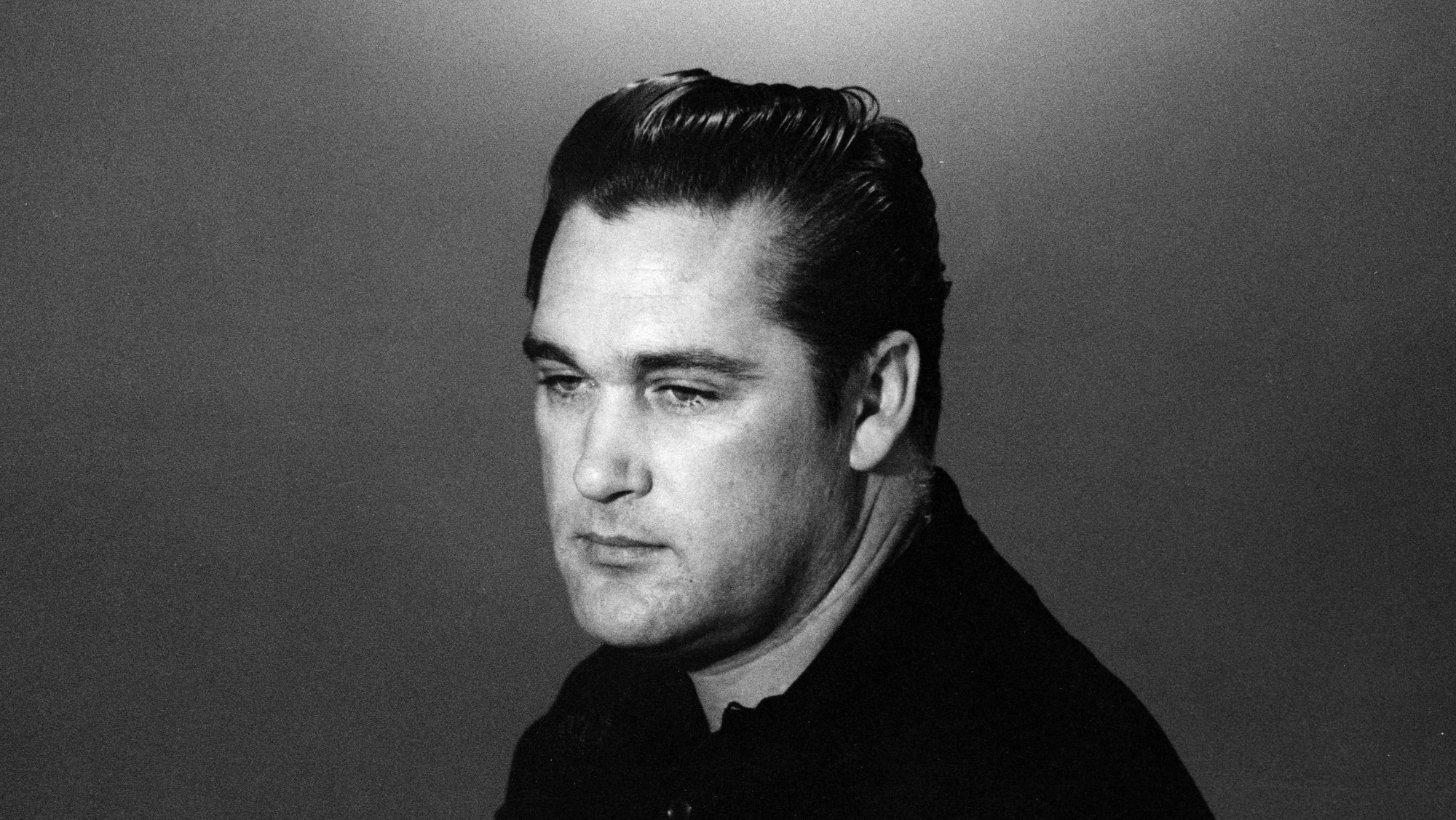
Charlie Rich, who released several hit songs featuring Pete Drake on steel -

NASHVILLE – NOVEMBER 26: Hee Haw cast from left; Lulu Roman, Don Rich, Jeannine Riley, Buck Owens, John and Jim Hagar and Susan Raye. Image dated November 26, 1969. (Photo by CBS via Getty Images)