
When Johnny Cash took the stage in Folsom Prison for the first time in January 1968, he wasn’t just playing music for the prisoners. The country icon was even playing music by the prisoners. For Glen Sherley, the lucky inmate whose song Cash performed, he got his musical break the same way so many do on the outside: knowing a guy who knows a guy. Sherley connected with Floyd Gressett, a minister who worked at Folsom Prison and also happened to be Cash’s friend.
Videos by American Songwriter
Sherley asked Gressett to deliver a song he wrote about the prison’s chapel to Cash. “Greystone Chapel” summarized the prisoner’s way of life with such poignancy that Cash immediately knew he had to incorporate it into his upcoming Folsom concert. Sherley didn’t know Cash put the song in his set list until the Man in Black was announcing the next tune’s backstory on stage. When the band hit the downbeat, “Glen just melted in his seat,” Marshall Grant, bassist for Cash’s Tennessee Two, recalled to Rolling Stone in 2018.
The inmate, who was serving time for armed robbery, achieved another mainstream win when Eddy Arnold released a version of Sherley’s song, “Portrait Of My Woman”. His songwriting success and Cash’s admiration of “Greystone Chapel” led to the Man in Black offering him a spot on Cash’s road crew. But as Cash and his entourage would soon find out, you can take the ex-con out of prison, but you can’t always get prison out of the ex-con.
Glen Sherley Struggled to Adapt to Touring Life With Johnny Cash
It’s hard to craft a more perfect Cinderella story. A prisoner finds a way to get his song to one of the biggest country artists of the day. That country artist performs his song. The prisoner gets a record deal. And once he’s out, he receives an invitation to go on the road with the star who first took a chance on his track. All the fixings were there for a story comparable to Merle Haggard. However, as Johnny Cash’s road crew came to find, Sherley struggled to adapt to the ways of touring life after spending so much time in prison.
After several missed flights and call times, bassist Marshall Grant confronted Sherley about following his itinerary more closely. An awkward conversation, sure, but a standard one to have on the road. However, Sherley’s response was anything but boilerplate. “He was smoking a cigarette and sort of sitting there,” Grant told Rolling Stone. “He said, ‘I love you like a brother. But you know what I would really like to do to you?’ And I said, ‘Well, no Glen, I don’t.’”
“He said, ‘What I would really like to do is get a butcher knife, and I would like to start cutting you all to hell. I’d like to drain every drop of blood in your body out on that floor,’” Grant recounted. “So, I go to John and June [Carter Cash], and I was like, ‘John, it’s over. It’s just over. We can’t have him up here because he’s made it very, very clear what he wants to do to me. If he made it clear to me, he’ll do it to you. He’ll do it to everybody on this band.”
The Tragedy That Followed the Musician’s Dismissal
Upon hearing Glen Sherley’s terrifying comments toward his bassist, Johnny Cash didn’t need much more convincing that Sherley wasn’t fit—or safe—to be on the road. Cash dismissed the ex-con-turned-musician, who eventually left Nashville to work on a farm in California. In May 1978, ten years after Cash first performed “Greystone Chapel” at Folsom Prison, Sherley shot a man while high on drugs. He committed suicide days later to avoid going back to prison. When Cash heard the news, he offered to pay for Sherley’s funeral expenses.
“I think John felt—he didn’t say this—but I think he felt that he gave Glen a shot at life, and he did,” Grant said.
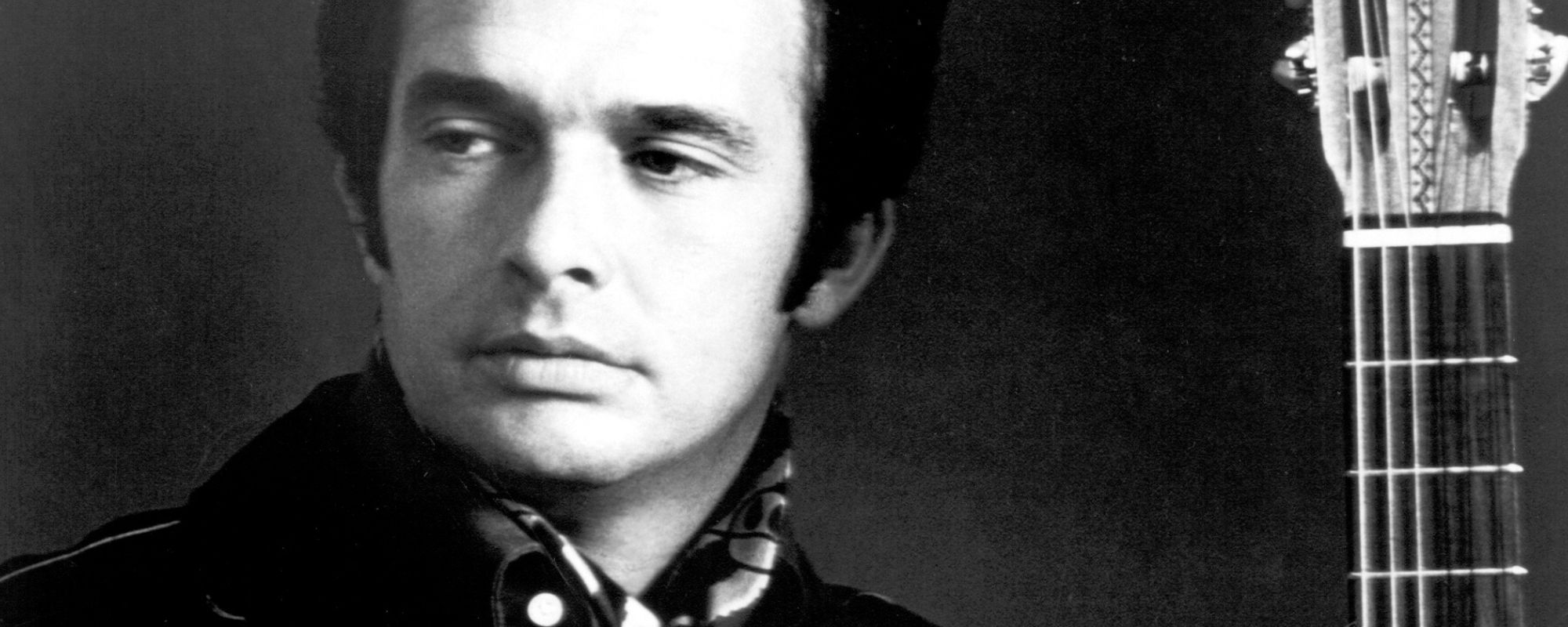
Photo by Hulton Archive/Getty Images
Leave a Reply
Only members can comment. Become a member. Already a member? Log in.