
From Loretta Lynn‘s “The Pill” to “Try That in A Small Town”, country music has seen its fair share of controversial tunes. Here are some songs whose lyrics made them stand out, and not necessarily in a good way at the time.
Videos by American Songwriter
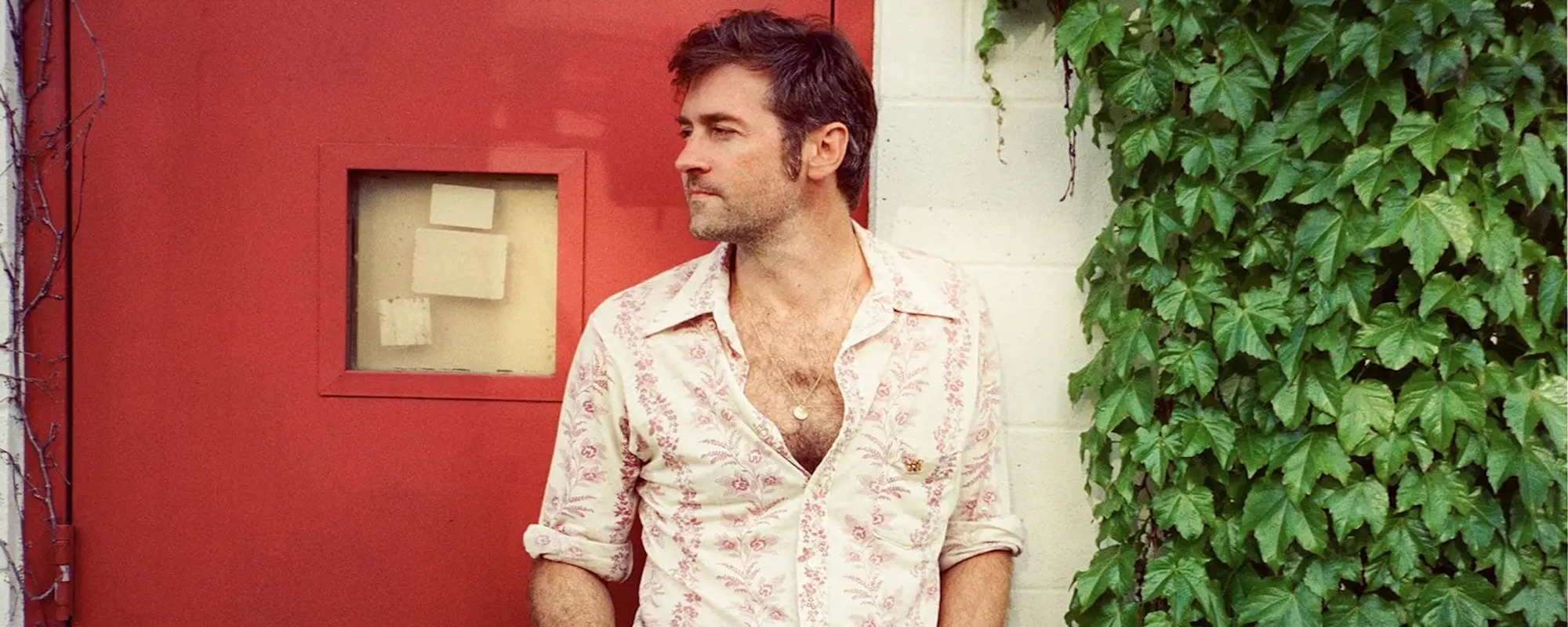
“Follow Your Arrow” by Kasey Musgraves
“Kiss lots of boys or kiss lots of girls / if that’s something you’re into.”
Famously passed on by Katy Perry, “Follow Your Arrow” made waves in 2013. The line “kiss lots of boys or kiss lots of girls / if that’s something you’re into” really turned heads. It was also that line that probably kept the song at No. 43 on the Country Airplay Chart. However, the songwriting genius of Musgraves, Shane McAnally, and Brandi Clark prevailed, earning the song CMA Song of the Year in 2014. Even then, Musgraves was amazed at the song’s impact on its listeners. “Do you guys realize what this means for country music?” she exclaimed as she accepted the prize.
“Try That In A Small Town” by Jason Aldean
“Cuss out a cop, spit in his face / Stomp on the flag and light it up / Yeah, you think you’re tough / Well, try that in a small town.”
Jason Aldean was already putting himself in the limelight with this one in 2023, a year marked by heightened political polarization ahead of the 2024 election. Many people found the song to have racist undertones. However, Aldean would deny these claims, saying that the song was meant to be for “the every man out there.” He told Billboard, “Between mainstream media and social media, things kind of take on a life of their own.” Aldean explained, “It’s fine, we just live in a world that does that right now, and I’m not gonna go out and explain myself every time somebody gives their own opinion of what my song or video means.”
“Accidental Racist” by Brad Paisley and LL Cool J
“Just because my pants are saggin’ doesn’t mean I’m up to no good / You should try to get to know me, I really wish you would / Now my chains are gold, but I’m still misunderstood.”
Apparently, this song attempted to embrace the common ground that white southerners and Black men share despite their stereotypes. However, it ended up offending a lot of people. Many of the lines also stand out as just being not very tasteful. A few years later, Paisley would reflect on the lessons he learned from putting out the song.
“When you take a stance on this topic, people say, ‘Wait, you don’t speak for me.’ And it’s like, ‘Wait a minute, I’m not trying to speak for you. We’re just trying to have a conversation here.’ And they’re like, ‘No, this conversation is our conversation. It’s everybody’s conversation,’” he shared with AZCentral. “And all of a sudden, you’re like, ‘Wow, okay, this is a whole different way of having to look at songwriting.’
Photo by: Erika Goldring/Getty Images

Leave a Reply
Only members can comment. Become a member. Already a member? Log in.