
Rock history endures a lot of action by the middle of a decade. What was once popular begins to wane, but what comes next isn’t always fully formed. By 1974, Led Zeppelin, then the world’s biggest rock band, was on the other side of its greatest album, Houses Of The Holy. The Rolling Stones had veered off into a creative wilderness while Pink Floyd sketched what became Wish You Were Here.
Videos by American Songwriter
However, the gaps created space for three classic songs below. Each changed the course of rock history in different ways. The first helped launch punk, the second established the beginnings of one of rock’s most divisive bands, and the third perfected genre-bending arena rock.
“Rebel Rebel” by David Bowie
The Spiders From Mars had broken up, and David Bowie moved forward without his sidekick, Mick Ronson. In Ronson’s absence, Bowie assumed lead guitar duties and, with his piercing guitar riff on “Rebel Rebel”, created a proto-punk anthem. It gave the punks a blueprint for starting a band regardless of musicianship. Ronson, a rock star and accomplished session musician, perhaps embodied what the punks disliked. Diamond Dogs may have been Bowie’s final statement on glam, but it also foreshadowed the anti-guitar hero rebellion of punk.
“Working Man” by Rush
Though “Working Man” remains a fan favorite among Rush fans, it has little in common with the progressive rock that defined the Canadian trio. First, it predates drummer Neil Peart, and more closely resembles the heavy blues of Led Zeppelin. But for those who have misgivings about the band or progressive rock generally, “Working Man” might just be a way in. That said, Rush’s ambition was hiding in plain sight. “Working Man” is a seven-minute jam, and once Peart joined with Geddy Lee and Alex Lifeson, their fusion of sci-fi lyrics and complex musicianship inspired future legends like Trent Reznor and Metallica.
“Killer Queen” by Queen
Queen’s commercial breakthrough marked the starting point for what became the band’s signature sound. From Brian May’s treble-boosted guitar tone to Freddie Mercury’s layered harmonies, “Killer Queen” has all the camp and opera most now associate with the band. Yet even with its complexity, the recording remains spacious. May’s guitar pokes through with its own layers. Buoyed by the swinging rhythm section of drummer Roger Taylor and bassist John Deacon. It’s musical theatre and arena rock all wrapped inside a three-minute pop song.
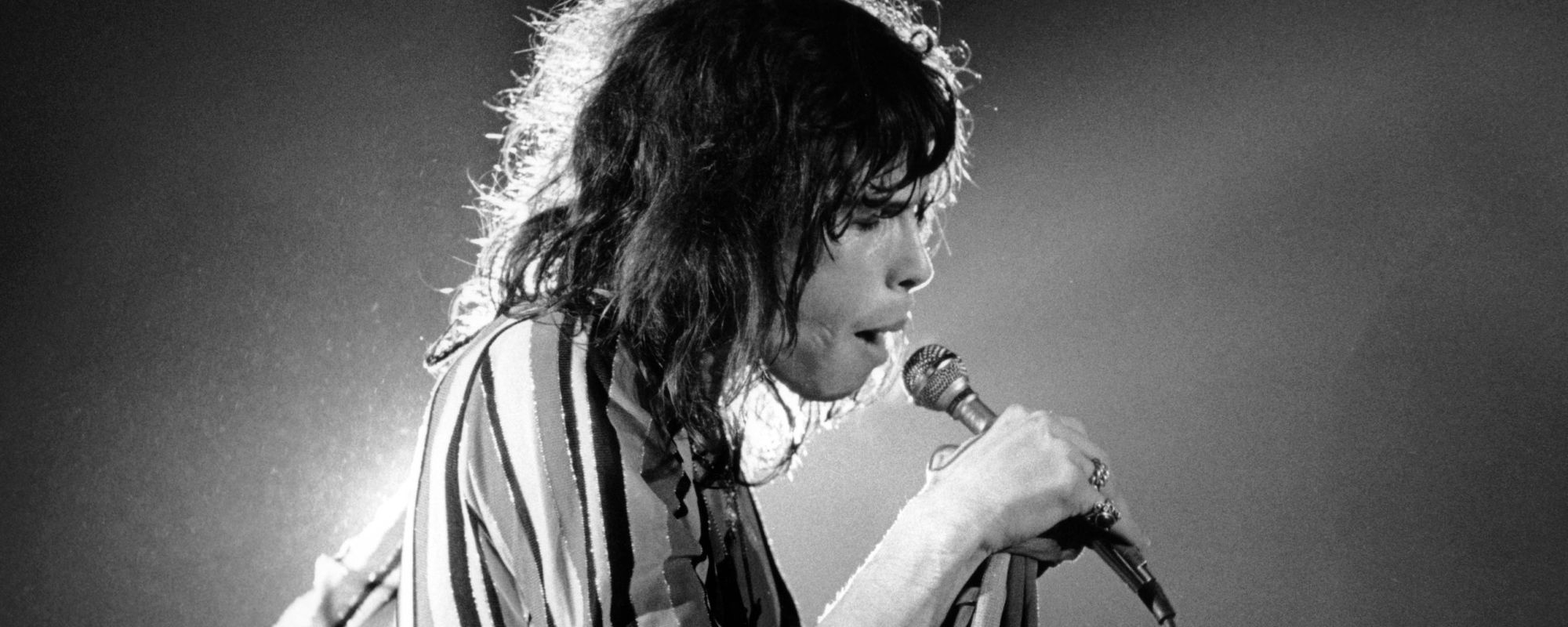
Photo by Rob Verhorst/Redferns
Leave a Reply
Only members can comment. Become a member. Already a member? Log in.