
The Beatles changed styles so effortlessly and grew as songwriters so rapidly that two songs from separate eras can often seem like the work of two different bands. But one thing that never changed: Their willingness to imbue their lyrics with relevant touches that make the stories hit home.
Videos by American Songwriter
During their years of recording, the band mastered the art of delivering profound character sketches, even with only a few minutes of recording time to do so. Here are five occasions when the Fab Four did a particularly impressive job of sketching out a believable human being.
“Nowhere Man” from Rubber Soul (1965)
John Lennon tended to write from a more confessional headspace than his professional partner Paul McCartney. But Lennon was good for an incisive character sketch now and again, with “Nowhere Man,” found on the breakthrough album Rubber Soul, representing one of the finest examples. The song gets deep inside the psyche of someone who seems to wander through society with no rhyme or reason, missing out on human connection even when it’s available to him. In clever fashion, Lennon ropes his entire audience, as well as himself, into the sketch when he asks, Isn’t he a bit like you and me?
“Paperback Writer” (Single, 1966)
We tend to think of character sketches in terms of third-person perspective. But on “Paperback Writer,” Paul McCartney decided to give us the details of this character by inhabiting him. And maybe he did so because he understood him well. After all, before his success with The Beatles, McCartney was just another artist hoping someone would find value in his creations. The guy in the song comes in at the start with confidence, trying the old “fake it till you make it” technique. But by song’s end, his desperation to be accepted starts to creep into the picture.
“For No One” from Revolver (1966)
Near the beginning of their recording career on the song “She Loves You,” The Beatles came up with the idea of changing up the typical love-song structure by presenting themselves as a friend to both parties. “For No One” takes that idea to the next extreme, indulging in a similar approach but doing so within the scenario of a relationship that’s falling apart. The narrator tries his best to advise a friend who’s losing his grasp on love. In so doing, he reveals this poor sap’s refusal to accept the truth: And yet you don’t believe her / When she says her love is dead.
“Eleanor Rigby” from Revolver (1966)
The Beatles managed to paint not one, but two telling portraits in “Eleanor Rigby.” There’s the title character, who tries to get herself as close as possible to loving relationships, even as it doesn’t seem likely she’ll ever enjoy one herself. Then there’s Father McKenzie, whose role as keeper of the flock can’t make up for the fact that no one is looking out for him. The twist ending unites them, even if there’s no way for them to recognize the connection. “Eleanor Rigby” stood out then for its storytelling daring, but it resonates still because of the poignancy of these doomed souls.
“Come Together” from Abbey Road (1989)
John Lennon was given an assignment to write a song that could act as a campaign slogan. It’s not clear how he could possibly have thought “Come Together” would ever work in that fashion. In any case, the song he ended up creating delivers a warts-and-all portrait of an outcast who’s somehow both repulsive and compelling all at once. The early lyrics indulge in the gobbledygook Lennon favored at the time. But there are also searing couplets that reveal a budding demagogue: He say, “One and one and one is three” / Got to be good-looking ’cause he’s so hard to see.
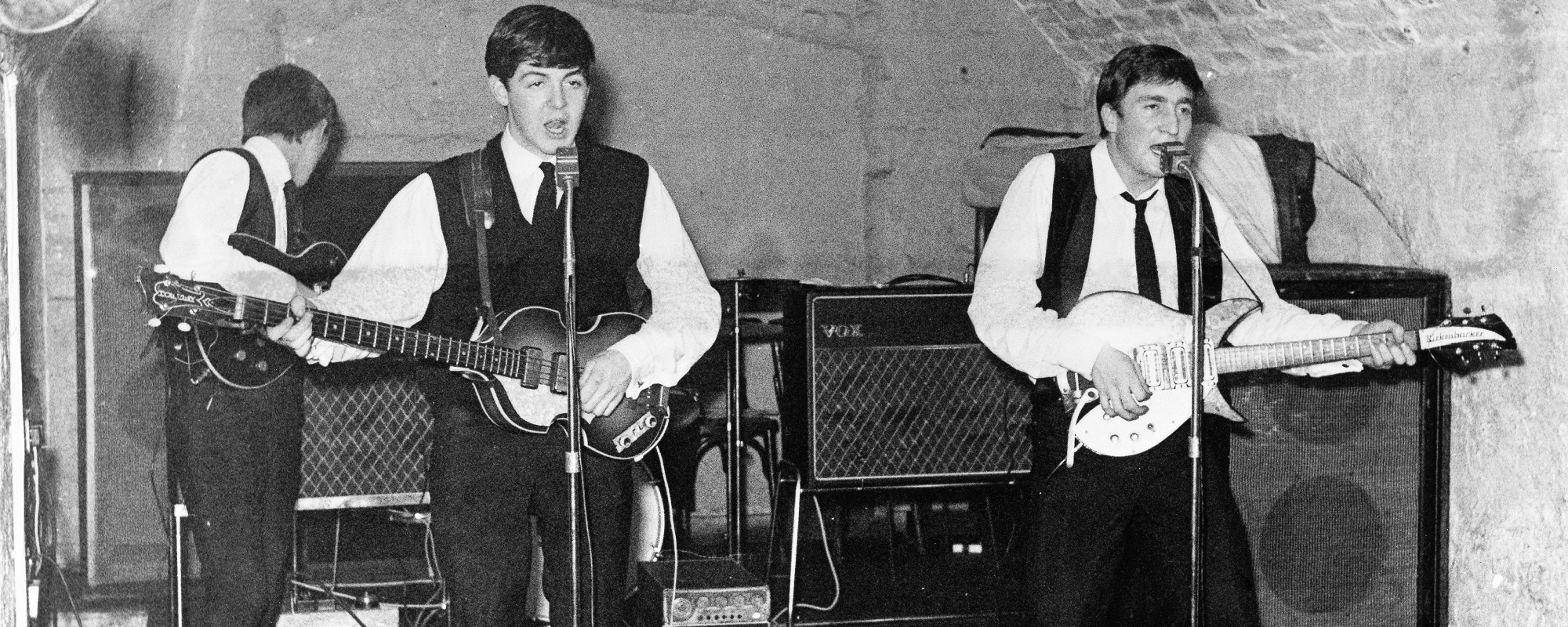
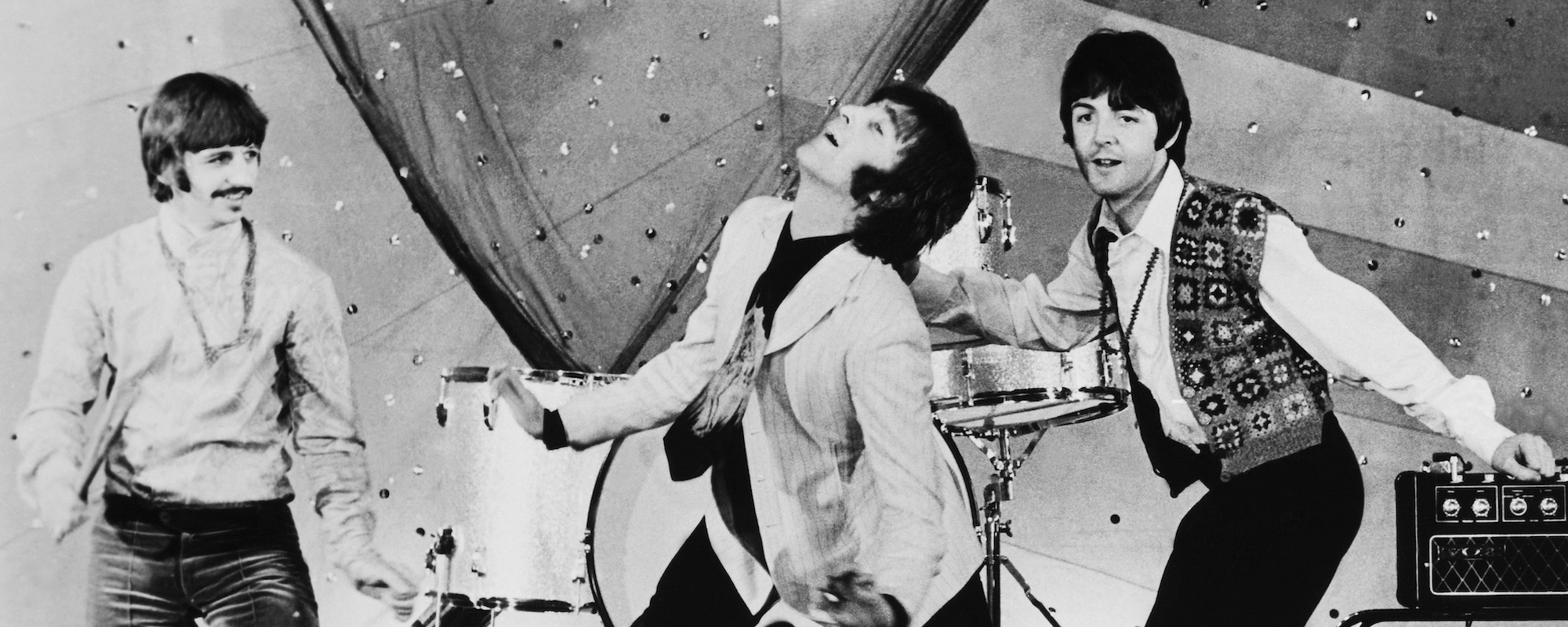
Photo by Mark and Colleen Hayward/Redferns

Leave a Reply
Only members can comment. Become a member. Already a member? Log in.