Your cart is currently empty!



The Bright Eyes Lyric That Found Conor Oberst Empathizing With an Old Lover
Most artists of note get an opportunity when they have the public ear at their disposal, a moment when the world of music at large wants to hear what they have to offer. If they can rise to the occasion in that moment, they can establish themselves for years.
Videos by American Songwriter
For Bright Eyes and their chief singer-songwriter Conor Oberst, that opportunity came with the release of their 2002 album Lifted Or The Story Is In The Soil, Keep Your Ear To The Ground. Stellar sets of lyrics like the one Oberst delivered on “Laura Laurent” ensured that they wouldn’t miss their chance.
Hey “Laura”
By the time they released Lifted, Bright Eyes had developed a cult following that emerged from their Omaha origins. Thanks to the prolific Conor Oberst, they built a steady buzz via the internet at a time when such an accomplishment was still possible.
This was back in the era of the CD, so Oberst took advantage of the long running time with Lifted, unleashing a 13-song set that clocked in at over 71 minutes. All the better for him to squeeze every drop out of his wordy narratives, while his cast-of-thousands band trucked alongside him in a swirling, indie-rock approximation of Americana.
In “Laura Laurent”, he sings about a beloved former girlfriend who’s having a hard time in her life. The narrator probably wasn’t all that equipped to deal with her issues at the time, as he struggled with his own. But his empathy for her after the fact comes through loud and clear.
Oberst isn’t one to spill details about his songs, which is why we’re not sure who or what inspired “Laura Laurent”. But the amount of detail included certainly suggests this was a real person from his past, someone who made a large impact on him even as she battled with inner demons.
Exploring the Lyrics of “Laura Laurent”
“Laura, are you still living there on your estate of sorrow?” Oberst asks at the beginning of “Laura Laurent.” “You used to leave it occasionally, but now you don’t even bother.” That opening leads him into reminiscences of their times together. It’s not exactly a happy trip down memory lane, but rather an honest look back at how they navigated their respective sadness together.
Noting the statues they used to see on their walks, Oberst reflects on how Laura saw them: “Their beauty carved out of absolutes you could never claim, or even envision.” “Laura, you were the saddest song in the shape of a woman,” he explains. “Yeah, I thought you were beautiful, but I wept with your movements.”
The narrator can’t quite escape his own role in Laura’s condition, remembering how her sister once tasked him with something he couldn’t handle: “But she asked me to care for you, yes she did, and I went and betrayed her.” He then makes an observation that covers them both: “But do you know we’re in high demand, Laura, us people who suffer?/Because we don’t take to arguing, and we’re quick to surrender.”
In the final verse, Oberst adopts the classic songwriting tactic of reaching out to someone who might not otherwise be able to hear you via some heartfelt lyrics. “But you should never be embarrassed by your trouble with living,” Oberst attests. “’Cause it’s the ones with the sorest throats, Laura, who have done the most singing.”
At that point, Oberst and his cohorts engage in a ragged la-la chorus. We can imagine “Laura Laurent”, wherever she might be, chiming in as well. And we can picture her through her tears at the warm wishes sent by an old friend and fellow sufferer.
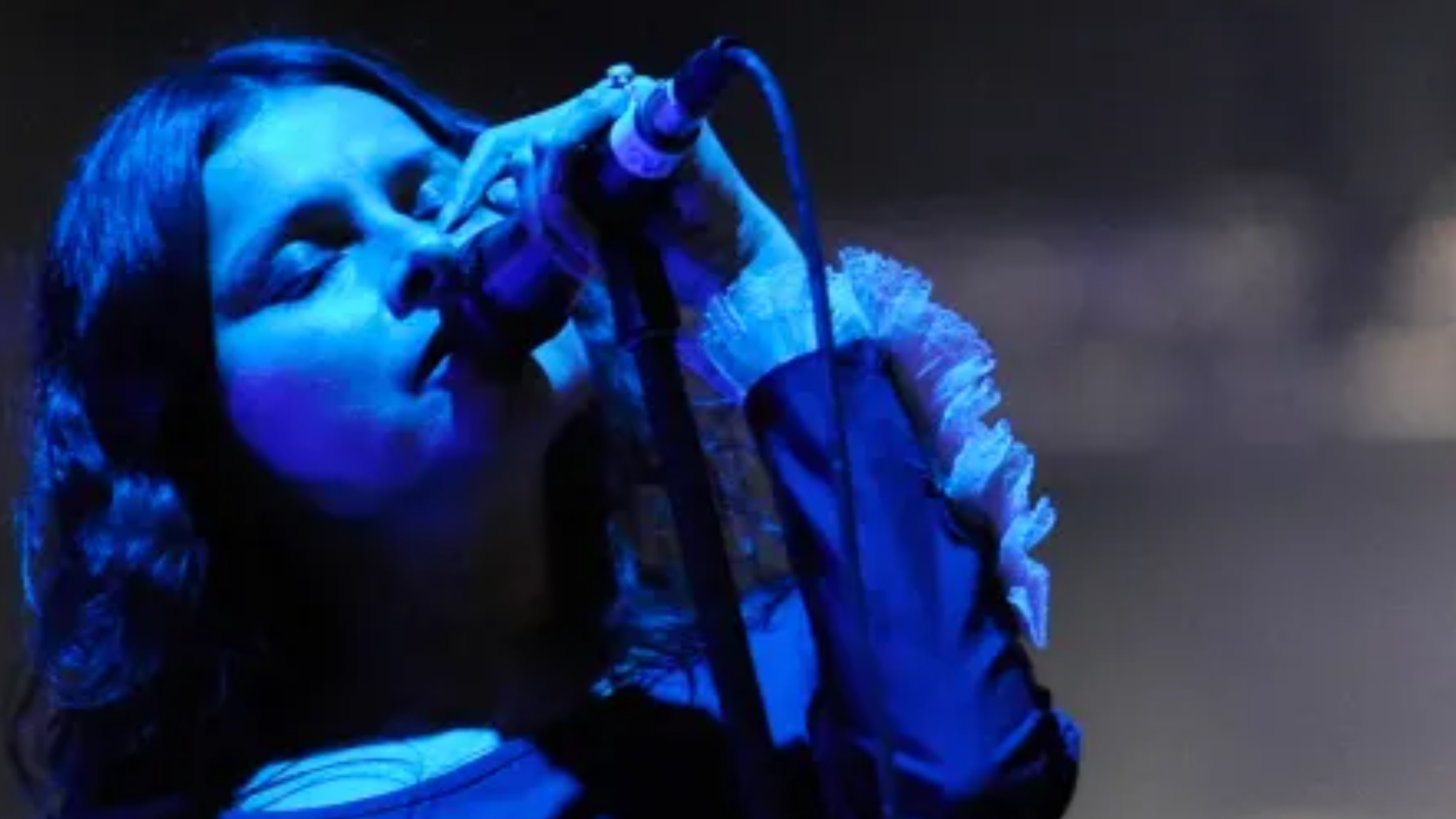
Photo by Tim Mosenfelder/FilmMagic






Leave a Reply
Only members can comment. Become a member. Already a member? Log in.