Your cart is currently empty!



How Steve Forbert Labored Over the Right Musical Setting for His Most Famous Lyric
Steve Forbert has carved out a sizable, fantastic catalog as a singer-songwriter. He’s still releasing albums and touring to this day, five decades into his career. But, like many artists, he has one song that stands above the rest in terms of worldwide recognition.
Videos by American Songwriter
That song was “Romeo’s Tune”, a song that hit No. 11 on the US charts in 1979. Not a bad result at all, considering Forbert delayed releasing it and struggled to record a version that he loved.
Wherefore Art Thou, “Romeo”?
A Mississippi native, Forbert fell in love with rock and pop music at a very early age. He learned to play guitar and write songs on his own, eventually making his way to New York City to explore music as a profession. His razor-sharp songs and inviting voice gained him attention and, eventually, a record deal.
Forbert had “Romeo’s Tune” in his repertoire even as he prepared to record his debut album, Alive On Arrival. But Forbert saw that album as a loosely connected song cycle about a young man’s journey. He thought that forcing a love song like “Romeo’s Tune” into the running order might shatter the thematic unity.
As a result, he left it out of the running order. Meanwhile, Alive On Arrival snagged some serious critical love upon its 1978 release. Writers leveled the dreaded “New Dylan” tag on Forbert, even though his style differed far from Dylan’s. In the meantime, there was still the question of what to do with “Romeo’s Tune”.
Forbert kept trying to record it but was never satisfied with the results. But everybody who heard the song loved it. The addition of a final verse and a slightly different rhythmic approach finally cracked the code. “Romeo’s Tune” took off as a single in 1979, giving Forbert the biggest hit of his career.
Exploring the Lyrics of “Romeo’s Tune”
“Romeo’s Tune” features a unique structure, as the verses are essentially tacked on to the end of the refrains without a break in the music. This setup hurries the listener forward with the narrator into the romance.
Forbert is also counting on his listeners’ associations with the name “Romeo” to put them in the right frame of mind for the open-hearted nature of the song. He starts the track off with the chorus to grab attention. “Bring me southern kisses from your room,” he beckons to the object of his affection about their midday tryst. “Let me smell the moon in your perfume.”
He suggests in the first verse that distractions are everywhere. “I’m lost in talk, I waste my time,” he laments. “And it’s all been said before.” Beyond that, he tries to locate what’s most important. “I don’t ask for all that much I just want someone to care,” Forbert sings.
The second verse allows Forbert to indulge in some high-flying wordplay and effortless poetry. “Shreds of news and afterthoughts and complicated scenes,” he sings of the everyday routine. Again, he simply wants to get away from it all with his love. “We’ll huddle down behind the light and fade like magazines.”
The song introduced the world to Forbert’s engaging, emotional style, a niche that he’s explored again and again throughout his career. With “Romeo’s Tune”, his insistence on maximizing the potential of the song’s raw material paid off in a major way.
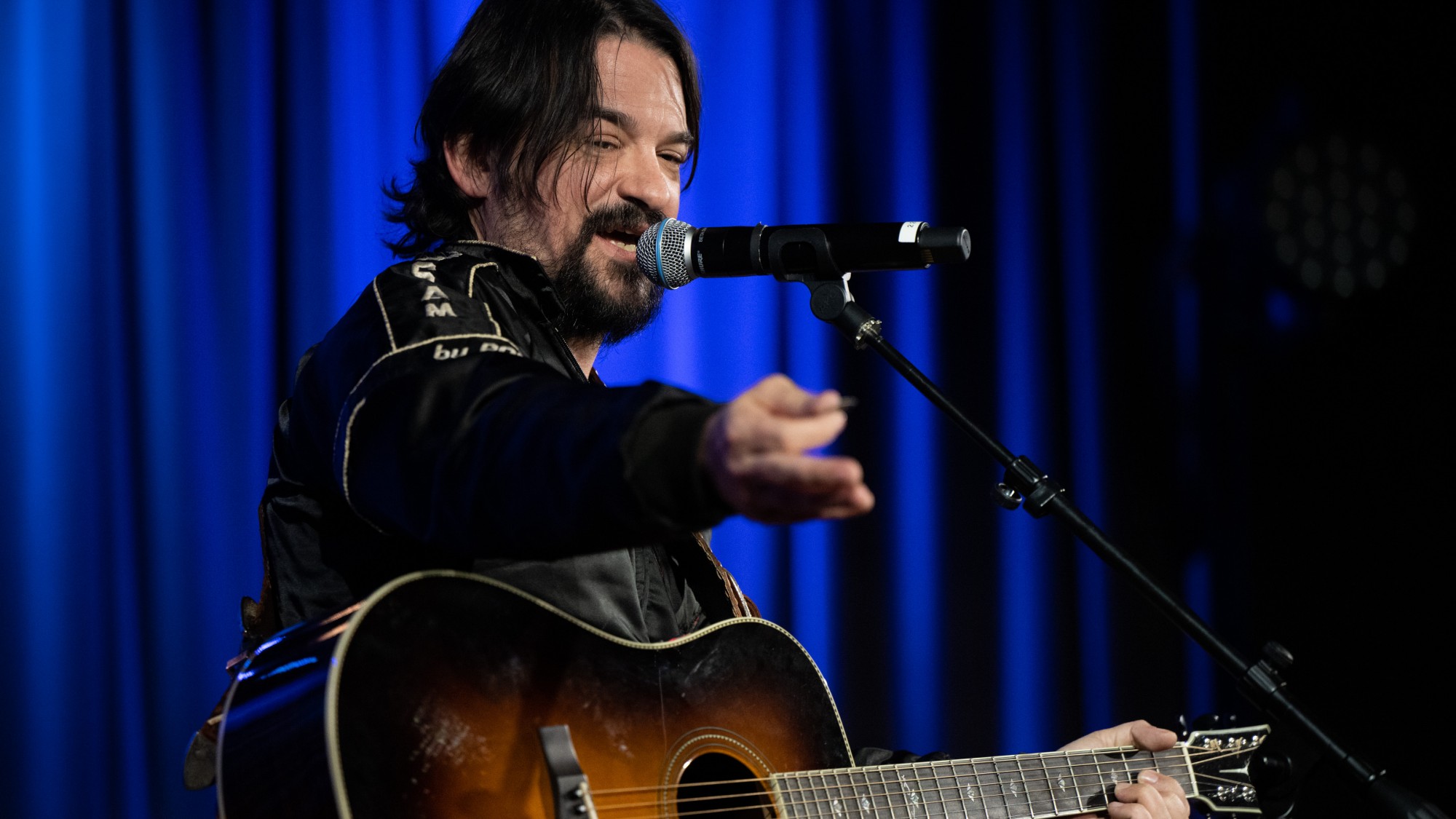
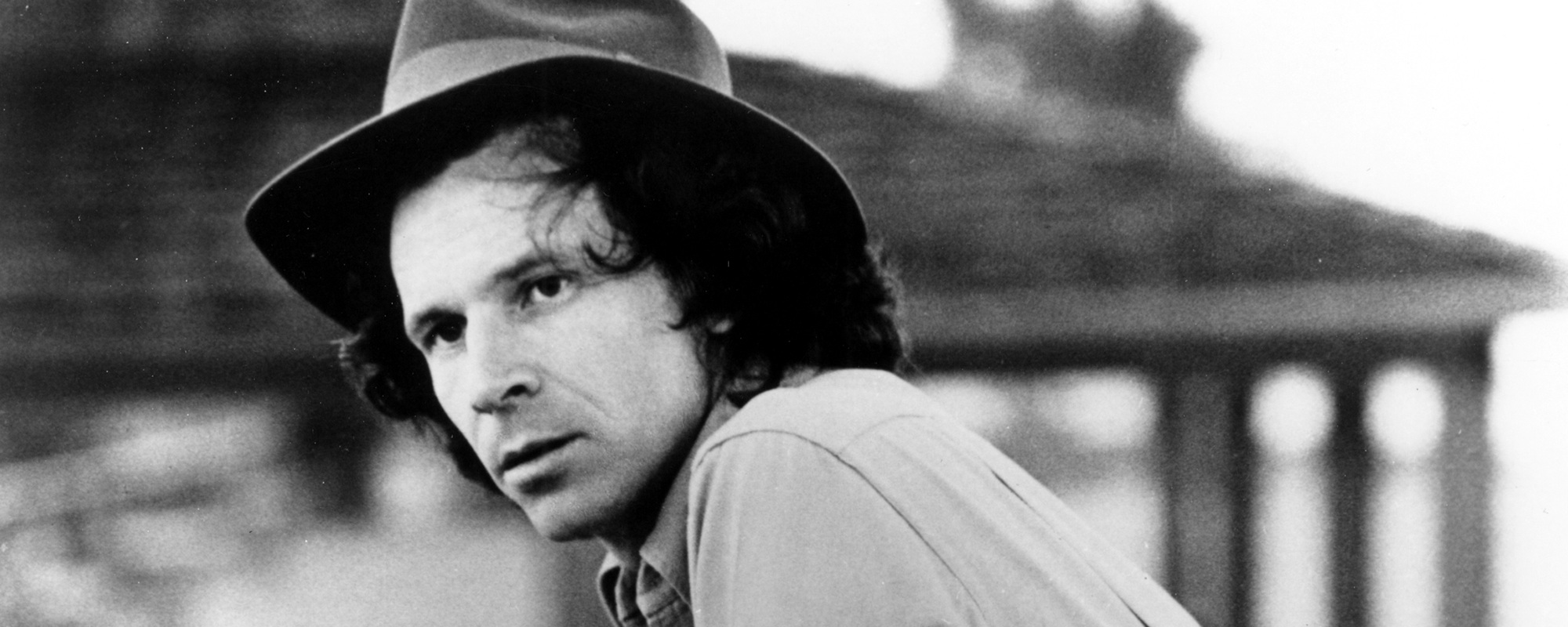
Photo by Propeller Publicity (Angi Carlson)



Leave a Reply
Only members can comment. Become a member. Already a member? Log in.