Your cart is currently empty!



Remember When Bob Dylan Released an Album That Went Way Against the Psychedelic Grain in 1967?
Bob Dylan possessed a knack for getting ahead of trends instead of following them. In 1967, the music world was going in a maximalist direction, with ornate productions specifically attuned to the Summer of Love generation. When Dylan emerged with an album that same year, John Wesley Harding, it sounded nothing like what everybody else was doing. In a few years or so, many other artists would mimic the album’s stripped-down, dialed-back vibe.
Videos by American Songwriter
A Hard-Earned Hiatus
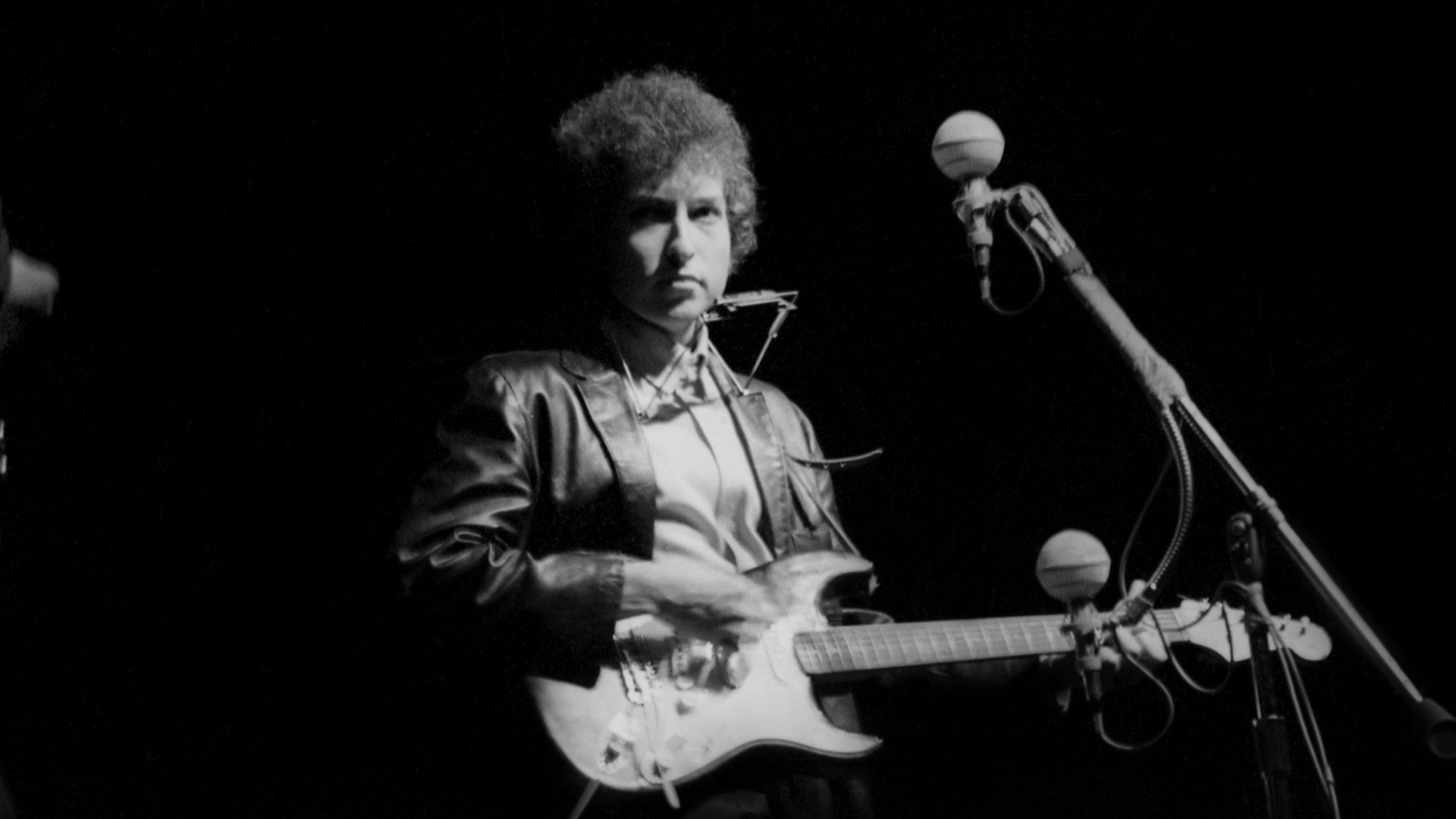
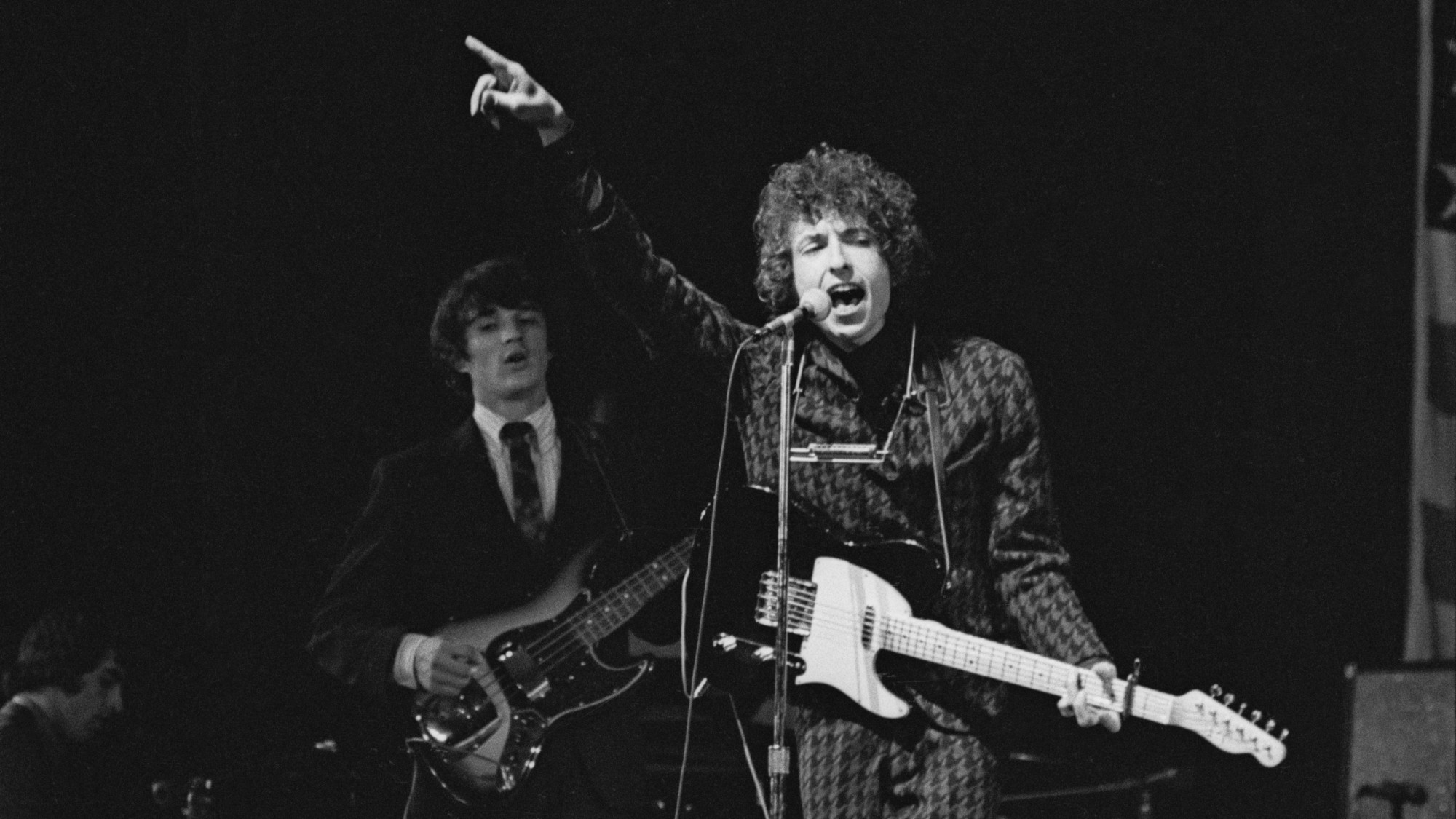
In 1967, a year dominated by monumental albums that captivated the public’s imagination, many people still spent time wondering what Bob Dylan had up his sleeve. His last release, Blonde On Blonde, arrived in June 1966 on the heels of a controversial world tour, one in which he provoked folk-loving audiences with his new, electrified sound.
Dylan suffered a motorcycle accident not long after. Like so many other things about Dylan, mystery surrounded the event. Was it a serious accident? Or was it a minor incident that Dylan used as an excuse to get off the hamster wheel?
In any case, he retreated to Woodstock, New York, concentrating on his wife and family instead of recording and touring. When he started to make music again, it was an informal affair. Throughout 1967, he and members of what would become The Band laid down a series of publishing demos that would, in time, become rock’s first in-demand bootleg.
Still Another Side of Bob Dylan
People didn’t hear those Basement Tapes songs for a few years, meaning that nobody knew that Dylan had drastically changed musical directions. Gone were the fierce diatribes of the mid-60s albums in favor of restrained, quaint, and often silly songs with inscrutable lyrics and a pervading sense of ease.
As the autumn months of 1967 arrived, Dylan suddenly had the idea to record a new album titled John Wesley Harding. He headed to Nashville, his recording home away from home, to work with bassist Charlie McCoy, drummer Kenny Buttrey, and, on a few songs, pedal steel player Pete Drake. Dylan holstered the electric guitar that had been his weapon of choice on his previous few records. Instead, he used an acoustic guitar along with piano and harmonica.
He recorded the entire album in just three sessions. John Wesley Harding, named after a Western outlaw who was the subject of one of the album’s songs, arrived on shelves in December 1967. And it baffled fans, leaving them wondering why Dylan wasn’t participating in the baroque psychedelia that was swirling in the musical scene all around him.
Haunting ‘Harding’
In truth, Dylan didn’t relate much to the prevailing musical winds of the time. John Wesley Harding combined his nightly readings of the Bible with his immersion in the music of Hank Williams. Its hushed, parable-like songs didn’t even resemble the open-hearted whimsy of The Basement Tapes.
That’s right, Dylan had shifted styles before fans were even privy to the previous one. John Wesley Harding isn’t easily understood, and it doesn’t go out of its way to ingratiate itself. But it remains one of his most compelling albums, a song cycle that asks you to accept that, as a character says in “The Ballad Of Frankie Lee And Judas Priest, “nothing is revealed.” Not even, in this case, by music’s preeminent songwriter.
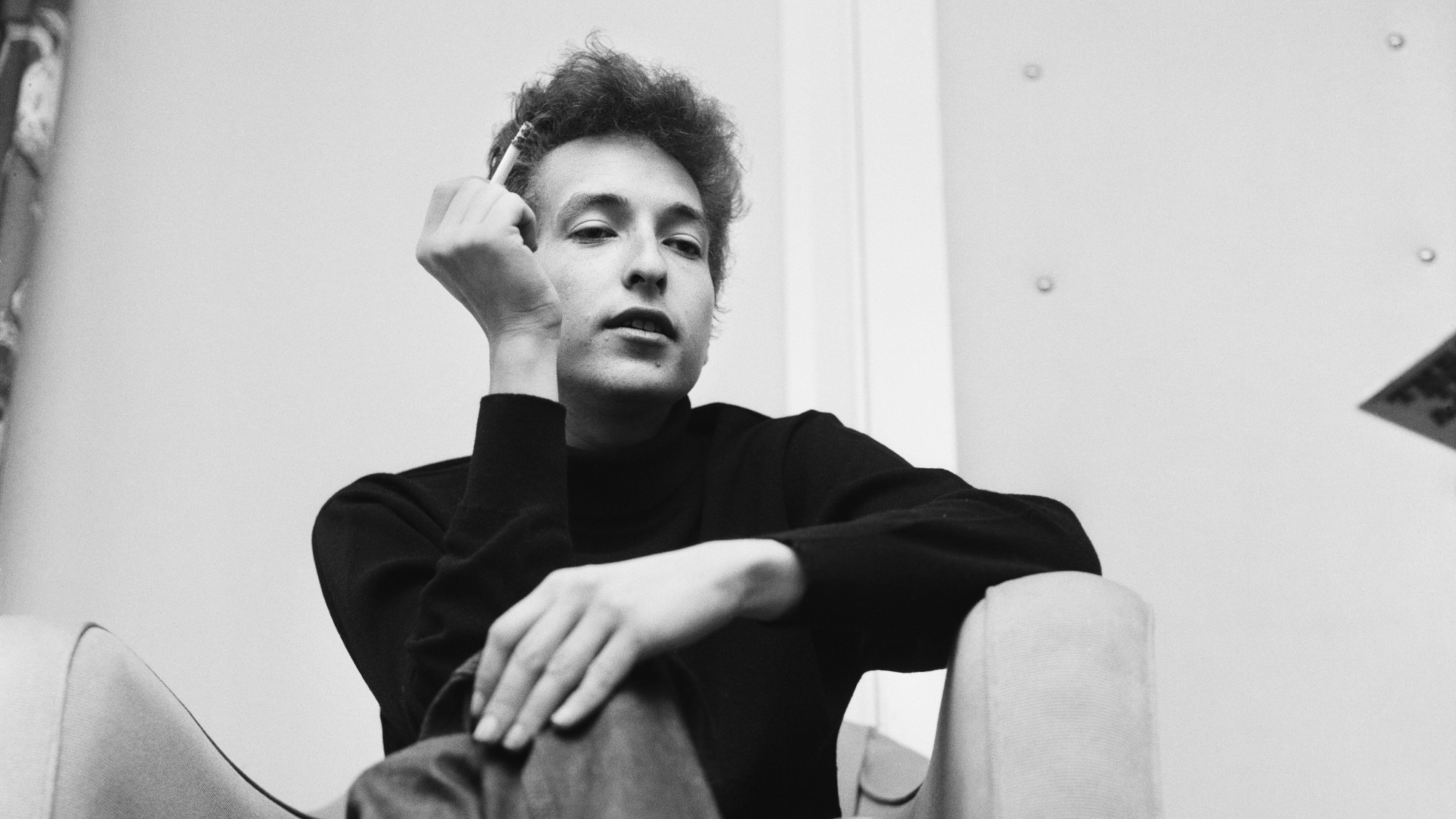
Photo by William Lovelace/Express/Getty Images
Leave a Reply
Only members can comment. Become a member. Already a member? Log in.