Your cart is currently empty!



Why Cher Was Blown Away After Seeing Bob Dylan Live for the First Time: “What Is This?”
In the 1970s, there was a stark contrast between Cher and Bob Dylan, as well as all the musicians akin to them. As you all know, Bob Dylan walked, talked, and did his thing to his own beat. Now, Cher certainly had autonomy over her career, but she also played into what her fans wanted. If you’ve ever been to a Bob Dylan show, then you know he doesn’t do this, as he rarely plays the studio recording version of the songs we all know and love. This is precisely what shocked Cher the first time she saw him live.
Videos by American Songwriter
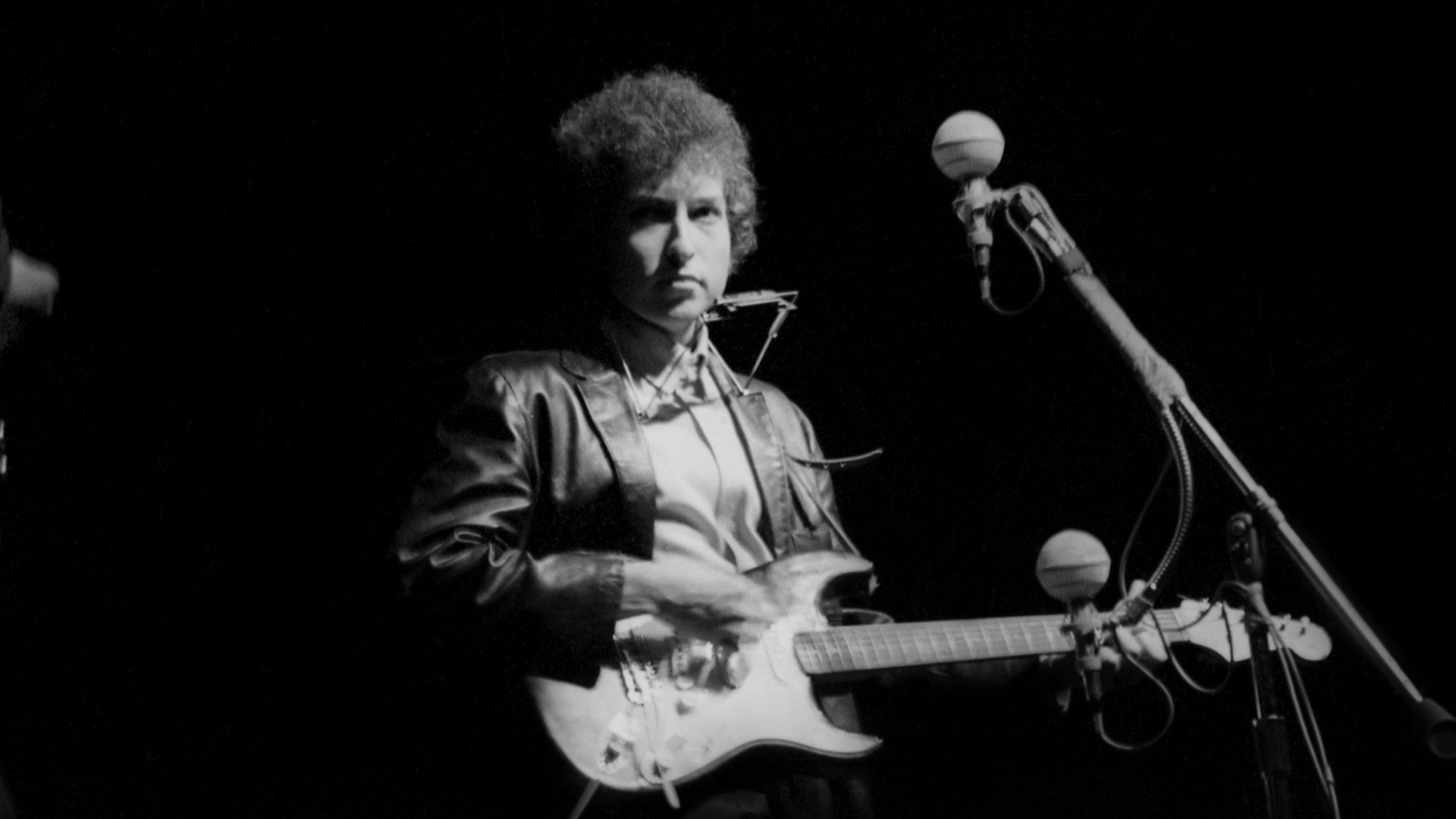
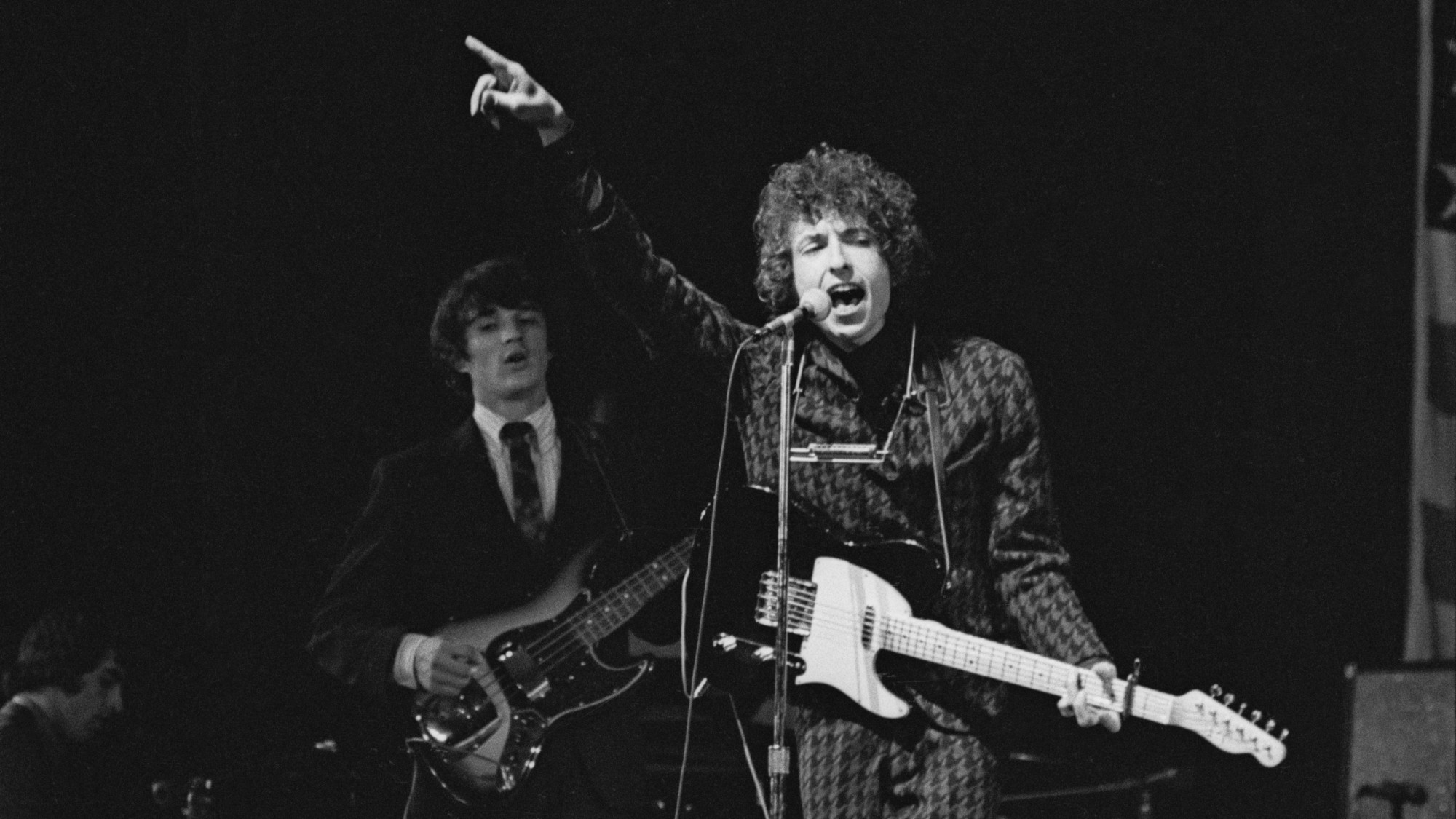
Bob Dylan has never been one to appease his fan base, and that is one of his many endearing yet also fairly annoying qualities. He’s always been elusive, somewhat detached, and kept the public wondering what his next move is. Well, one of the many ways in which he accomplishes that is by playing reimagined versions of his staples. In other words, if you head to a Bob Dylan show expecting to hear “Simple Twist Of Fate” the way it sounds on the record, then your expectation won’t be met.
Cher Didn’t Believe in This Performance Tactic
In an interview with The New York Times, Cher stated, “I’m not going to do things differently. If people come to see you, they want you to do things they like.” As we just outlined, this is not how Dylan does things. And per Cher’s comment, it seems he’s been doing just this for the majority of his career.
“I remember seeing Bob Dylan — I think it was Blood on the Tracks, and I went to the first concert and some of the songs I went, ‘What is this?’” “He got tired of singing the songs the same way. But people really want to hear their favorite song exactly the same way. It doesn’t make any difference if I’m tired of it. I have to find it inside myself to love it and to love what I’m doing,” stated Cher.
Cher’s school of thought is certainly fair and admirable. However, Dylan’s method is also fair, because can one call themselves a true artist if they are mindlessly repeating their actions without creative intent? We aren’t sure, but the question certainly poses a deeper one about commercial appeal and profound artistry. Can the two exist at the same time, or is it impossible?
Photo by Ivan Keeman/Redferns






Leave a Reply
Only members can comment. Become a member. Already a member? Log in.