Your cart is currently empty!



These 3 Emotional 1960s Songs Still Give Me Goosebumps to This Day
If you appreciate a good goosebumps-inducing song, you might just fall in love with the following three emotional songs from the 1960s. And if you were a 60s kid, you’ve probably already had the pleasure of experiencing them. Let’s take a look at some seriously vulnerable tracks!
Videos by American Songwriter
“It’s Over” by Roy Orbison (1964)
This one’s a real tearjerker. “It’s Over” by Roy Orbison is a bolero rock classic released in 1964. And this operatic ballad about lost love and the end of a relationship hit a lot of people in the gut when it was first released. It ended up becoming one of many legendary hits for Orbison. The track peaked at No. 9 on the Billboard Hot 100 and No. 1 on the UK charts. If you’ve ever had to sit with the aftermath of a broken relationship, this gem might just give you chills.
“I Just Don’t Know What To Do With Myself” by Dusty Springfield (1964)
Dusty Springfield has gotten more love retrospectively, but I still can’t help but think she’s very underrated. She dished out quite a few heartwrenching pop ballads in the 1960s. “I Just Don’t Know What To Do With Myself” from 1964 is just one of them. Written by Burt Bacharach and Hal David, this tearjerker is all about trying to move on alone after the end of a loving relationship. “I’m so used to doing everything with you / Planning everything for two” is pretty devastating if you’ve ever been in that situation.
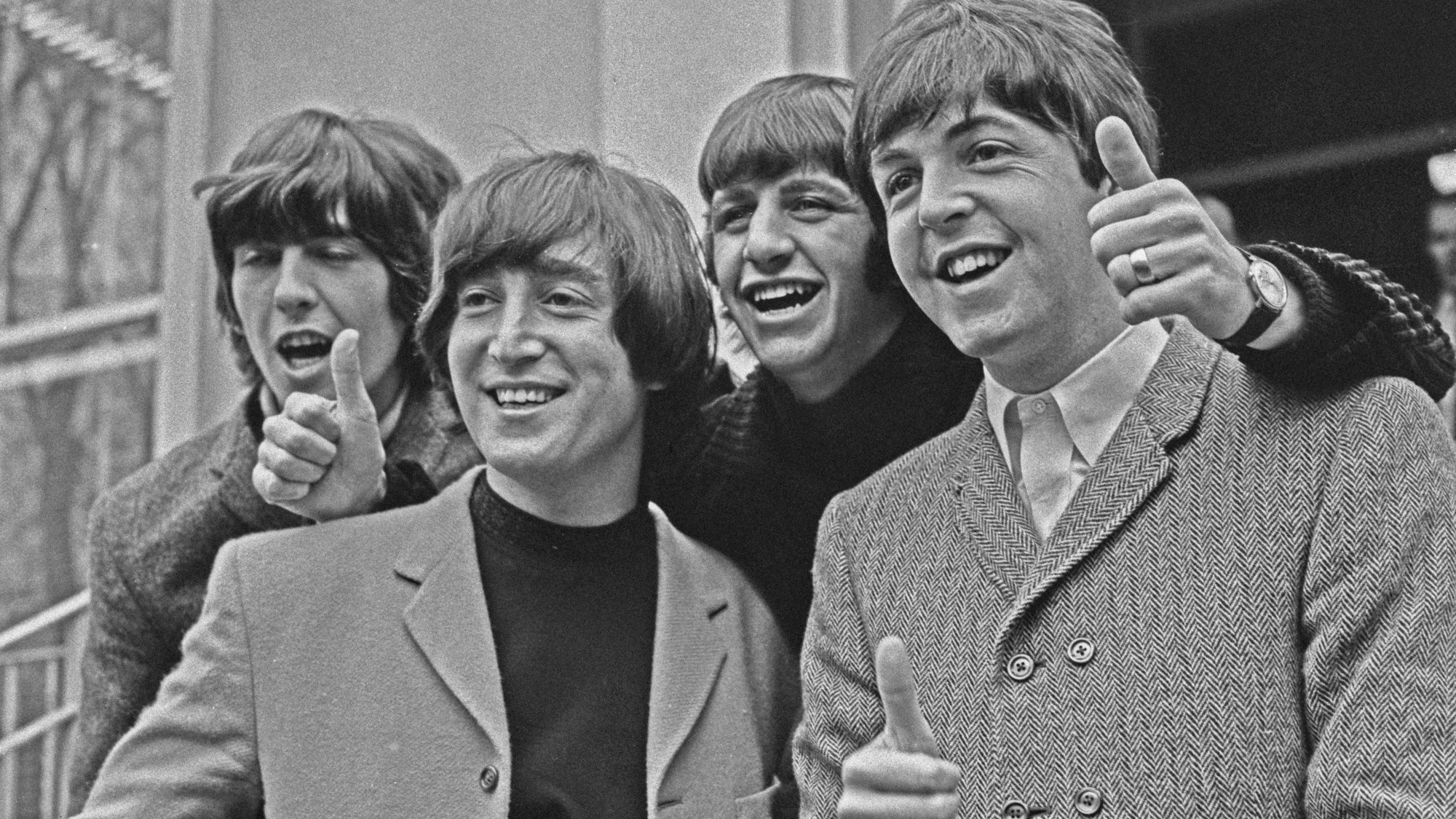
“Blackbird” by The Beatles (1968)
This one is a classic. And I think it’s one of the most emotional songs to come out of the 1960s. Though, a handful of Beatles classics could have made it to this list, too. “Blackbird” was written by Paul McCartney as an ode to Black women in the United States who were trying to survive the Civil Rights movement. McCartney also noted that it was written as a response to the Little Rock Nine incident. McCartney wrote it while studying meditation in India and was also inspired by the call of an Indian blackbird during his stay there. The song has since gone on to become one of the gentlest and most inspiring protest songs of the 60s.
Photo by Evening Standard/Hulton Archive/Getty Images
Leave a Reply
Only members can comment. Become a member. Already a member? Log in.