Your cart is currently empty!



Born on This Day in 1921, the Influential Country and Rock Musician Who Sued Warner Bros Over the Soundtrack to This Burt Reynolds Thriller
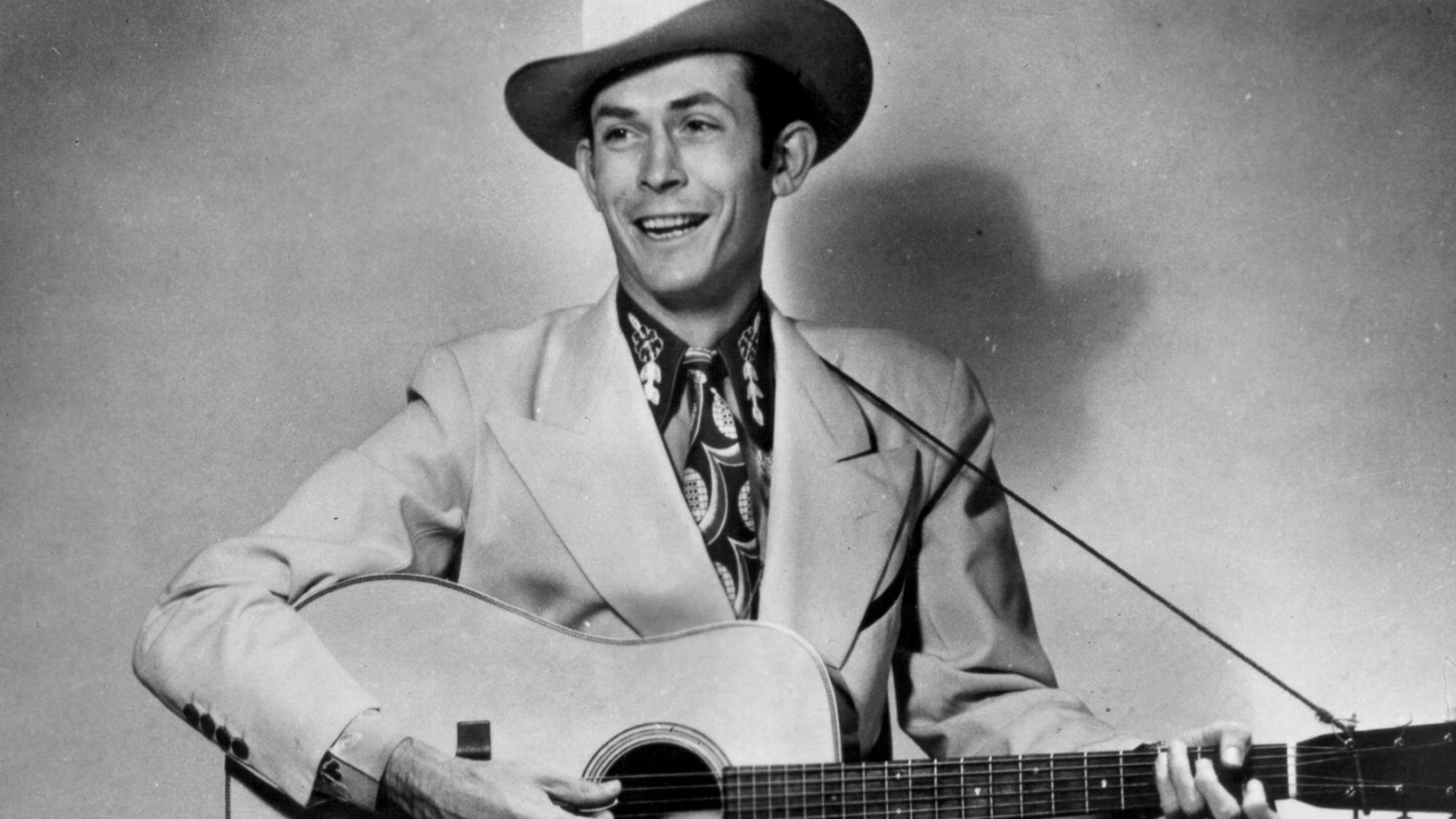
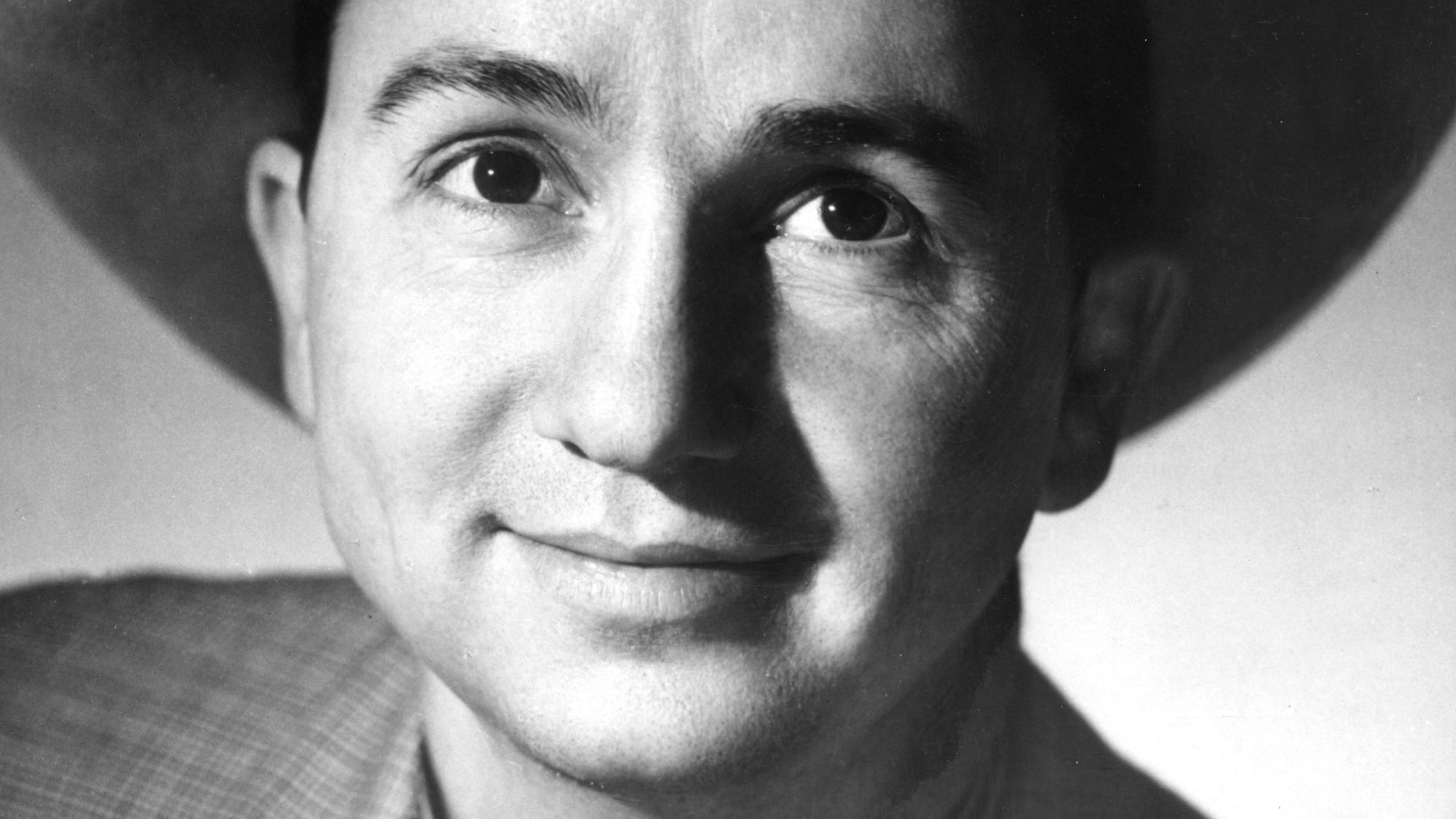
On this day (April 1) in 1921, Arthur “Guitar Boogie” Smith was born in Clinton, South Carolina. He was a multi-instrumentalist, songwriter, and producer who was a major influence on many of Nashville’s finest musicians. Moreover, he opened and ran the first commercial recording studio in the Southeastern United States. Smith also wrote an instrumental tune called “Feudin’ Banjos,” which later became “Dueling Banjos.”
Videos by American Songwriter
The list of Smith’s accomplishments is long. So, it will come as no surprise to learn that his music career started early. When he was in junior high, he and two of his brothers formed a jazz band. They were solid musicians, but their Dixieland style didn’t lead to financial success. As a result, they changed their style.
“We nearly starved to death until one day we changed our style. We had been doing a daily radio show in Spartanburg, South Carolina, as the Arthur Smith Quartet. One Friday morning, we threw down our trumpet, clarinet, and trombone and picked up the fiddle, accordion, and guitar,” Smith recalled in an interview reprinted by a blog post from the University of North Carolina.
The new band was called the Carolina Crackerjacks, and they continued to play together through their school careers. Smith was the valedictorian of his graduating class and could have gone to the United States Naval Academy. However, he chose to skip college and pursue his dream of being a professional musician.
World War II Pauses Arthur Smith’s Career
World War II broke up the Carolina Crackerjacks when all of the Smith boys went to war. While serving in the Navy, Arthur Smith played in the military band. He also wrote the instrumental song “Guitar Boogie,” which sold more than a million copies upon its release in 1945. This song was a major hit and, obviously, the source of the moniker that helped differentiate him from Fiddlin’ Arthur Smith, a Nashville musician.
With the war over and Smith back in the Carolinas, he reunited with his brothers and continued his career.
Radio, TV, and Some Firsts
After returning to the United States, Smith started his radio show, Carolina Calling, on WBT in Charlotte, North Carolina. He also hosted the first TV show to broadcast on WBTV.
The Arthur Smith Show was the first country music show to be nationally syndicated, according to The Charlotte Observer. It ran for 32 years in 90 television markets across the country. In the coming years, artists like Glen Campbell, Johnny Cash, Porter Wagoner, and Dolly Parton would follow Smith’s lead with their own country-centric TV shows. However, none ran as long as the original.
Smith’s most substantial “first” was this recording studio. In 1957, he opened Arthur Smith Studios in Charlotte, North Carolina. It was the first commercial recording studio in the Southeast. There, he recorded sessions for Lester Flatt, Earl Scruggs, Pat Boone, and many more. Notably, James Brown cut “Papa’s Got a Brand New Bag” at Smith’s studio.
Arthur Smith, “Feudin’ Banjos,” and Deliverance
“Dueling Banjos,” from the soundtrack of the classic 1972 film Deliverance, is probably the most widely recognized banjo tune ever recorded. Smith composed the song in 1955 and recorded it with Don Reno. However, when he recorded it, the song was called “Feudin’ Banjos.”
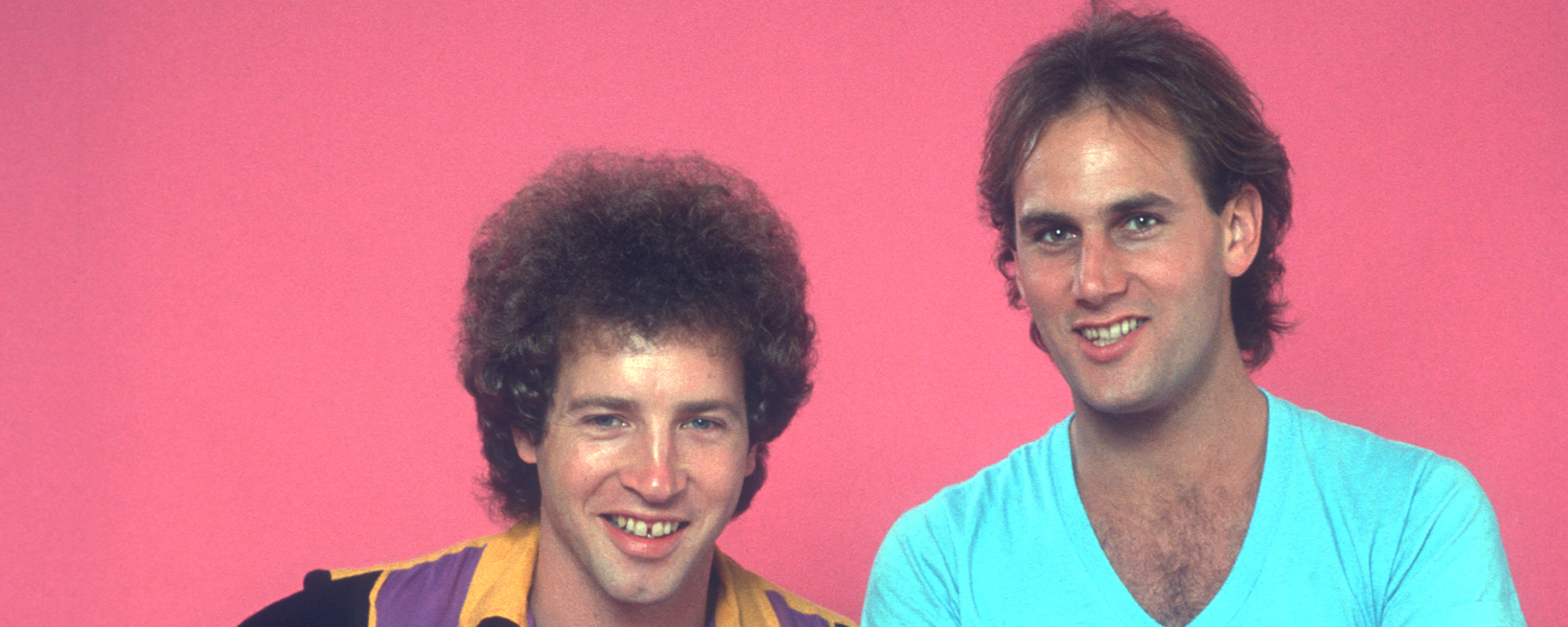
In 1971, Eric Weissberg and Steve Mandell recorded the song for the Deliverance Soundtrack, a thriller movie starring Burt Reynolds. Warner Bros. then released the song as a single, and it became a major hit. However, Smith was not credited on the album. As a result, he filed a lawsuit against the label. The suit never went to trial. Instead, they settled out of court for a healthy sum and agreed to credit Smith in future releases.
Today, Arthur Smith might not be a household name, but almost everyone has enjoyed his contributions to the modern music world. From the popularity of “Dueling Banjos” to the artists he influenced, including Glen Campbell, Hank Garland, and Roy Clark, we can thank him for much of the current musical landscape.
Featured Image by Michael Ochs Archives/Getty Images
Leave a Reply
Only members can comment. Become a member. Already a member? Log in.