Your cart is currently empty!


Remembering When Bruce Springsteen Welcomed Nils Lofgren to E Street in 1984
Imagine you’ve been asked to join one of the most successful bands in the world of rock and roll. Now, imagine that you have to do it right before that band is set to embark on a worldwide tour following the release of the band’s biggest album to date.
Videos by American Songwriter
No pressure, right? That’s exactly the scenario that faced Nils Lofgren in 1984. That’s when he first joined Bruce Springsteen’s E Street Band. He’s been a stalwart member ever since.
Little Steven’s Exit
The E Street Band was a difficult gang to infiltrate. Which is why, once inside, members rarely left of their own volition. After all, they held down a pretty sweet gig. They could count on playing in front of legions of adoring fans, all behind a frontman who never failed to call attention to the talents of the instrumentalists behind him.
But Steven Van Zandt did indeed decide to step away from the band in 1984. After serving as Springsteen’s unofficial consigliere for close to a decade, Van Zandt started to feel like his opinions weren’t being considered as they’d been before. And he also wanted to focus on a solo career.
Van Zandt made his decision before committing to the elongated tour that Springsteen and company were planning behind Born In The U.S.A. That album was just in the beginning stages of its world domination when Little Steven departed. To tour behind it, the E Street Band would need another member to fill the gap.
Nils’ Impressive C.V.
Bruce Springsteen handled most of the lead guitar duties on his records. But in concert, he tended to be occupied with his crowd-pleasing duties. He’d need a second guitarist for the tour, and many were considered.
But Nils Lofgren was always in the lead among candidates. Lofgren, who’d known Springsteen for a long time by 1984, called Bruce to throw his hat in the ring when he heard Van Zandt was gone. High-profile gigs were nothing new to him.
After all, Lofgren was still in his teens when he connected with Neil Young, playing piano and guitar on the famous 1970 album After The Gold Rush. Lofgren also fronted his own band, Grin, in the early 70s. And he built a following in the mid-70s as a singer-songwriter.
From Fill-In to Stalwart
By 1984, Lofgren lacked a record deal, meaning that he was wide open to new musical pursuits. Springsteen gave him the nod to join the band. That led to him taking a crash course in learning Springsteen’s music. He listened nonstop to The Boss’s old records so that he could fill in where needed.
Lofgren’s multifaceted abilities proved an ideal fit for the band. His status as a gunslinger on guitar meant that he could easily slide in and take some solos away from Springsteen. In addition, he could easily add to the band’s vocal blend, a facet of the group into which The Boss has leaned more frequently in recent years.
More than anything, Lofgren’s low-maintenance personality within the band, right from the beginning, meant that he was integral. Even when Van Zandt made his return, Lofgren wasn’t going anywhere. He occupies a corner on E Street with such solidity that you’d swear he’s been there from the very beginning.
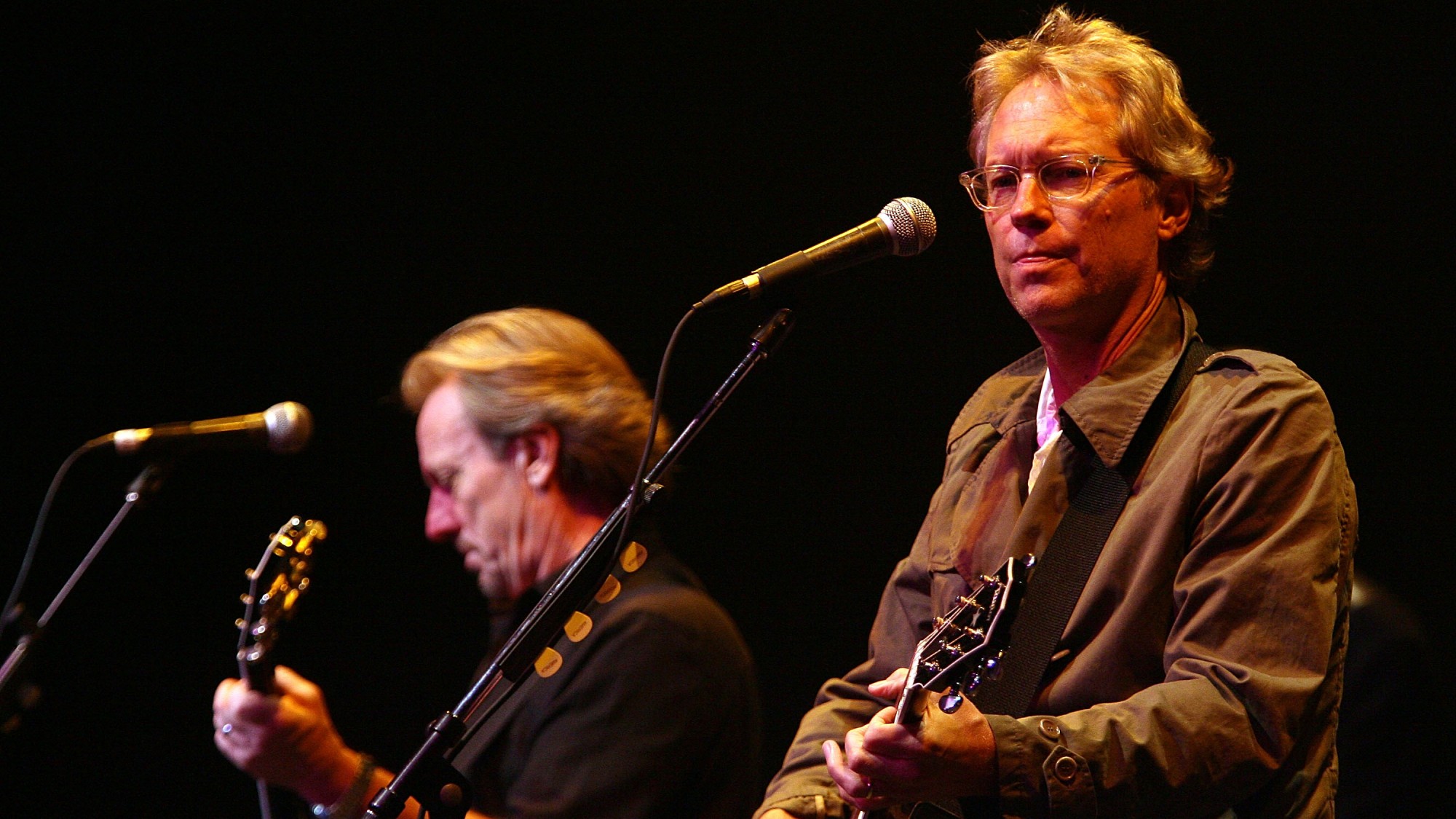
(Photo by David Gahr/Getty Images)
Leave a Reply
Only members can comment. Become a member. Already a member? Log in.