In 1987, Nike started a revolution in television advertising, but it certainly wasn’t the kind that The Beatles were singing about in their classic political pseudo-protest anthem, “Revolution”. This year marked the first time that the original master of a pop hit appeared in a commercial. Prior to this, famous songs appeared in television ads, but they were revamped in some way. The speed was faster, the instrumentation was slightly off, or the singer was different.
Nike’s use of the album version of “Revolution” certainly ruffled feathers around the world, including those of The Beatles themselves. John Lennon was, at this point, dead for nearly a decade. Nike obtained the rights to do so through Capitol-EMI Records and ATV Music Publishing, not through the former band members themselves. Though, it was said that Yoko Ono initially approved the sale, thinking that it would introduce her late husband’s music to a new crowd.
Videos by American Songwriter
Of the many opinions that swirled around the musical community, George Harrison was unsurprisingly in the negative camp. He had long been wary of the entertainment industry as a whole, and its merging with the capitalistic ritual of advertising only made it worse. Apple, the record label established by The Beatles, sued Nike, along with the company’s advertising agency and Capitol-EMI Records.
Harrison, meanwhile, had no problem expressing his thoughts, too.
George Harrison Didn’t Mince His Words About the “Revolution” Nike Ad
Speaking to CityTV Studios in March 1988, nearly one year to the day that the controversial Nike commercial featuring The Beatles’ “Revolution” first aired, George Harrison made it clear in no uncertain terms just what he thought about his music appearing in shoe commercials. “I think it’s a bit of a liberty using the original master,” Harrison said, his expression stern. “It’s not as bad when they make up, you know, the sort of Mickey Mouse version. I regret doing it.”
Several months earlier, in September 1987, Harrison expressed similar sentiments while referencing Apple’s lawsuit directly. “Unless we do something about it, every Beatles song that’s ever been done is going to end up advertising, you know, braziers and pork pies and motor cars or whatever. We created the music, and it’s our records. I think we should be the ones to choose whether…we want it.”
Ultimately, The (former) Beatles settled out of court in November 1989. Original masters are even more prevalent in today’s commercial advertising. And if anything, ado about the use of a song in an ad only serves to pique public interest and potentially lead to more sales.
Photo by Steve Kagan/Getty Images
More Features
-
Leonard Cohen, who had a long relationship with Marianne Ihlen -

Bassist Daryl Stuemer, guitarist Mike Rutherford, singer Phil Collins of the band Genesis perform during the Atlantic Records 40th Anniversary celebration called "Its Only Rock and Roll" at Madison Square Garden on May 14, 1988 in New York City, New York. (Photo by Larry Busacca/Getty Images) -
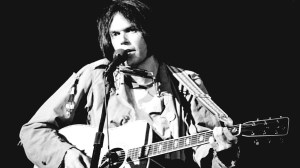
Photo by Larry Hulst/Michael Ochs Archives/Getty Images -
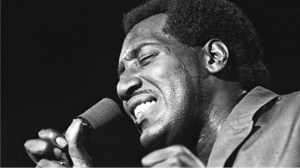
Otis Redding performing at the Monterey Pop Festival, 1967 -
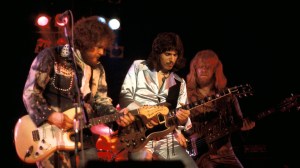
UNITED KINGDOM – MAY 03: HAMMERSMITH ODEON Photo of BACHMAN TURNER OVERDRIVE (Photo by David Redfern/Redferns) -
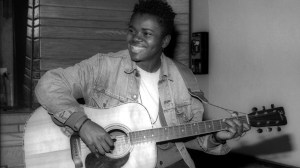
American singer-songwriter Tracy Chapman plays her Fender acoustic guitar at a recording studio in Los Angeles, California, circa 1988. (Photo by Lester Cohen/Getty Images)