Your cart is currently empty!



Kurt Cobain’s Favorite Records: The Music That Influenced Nirvana’s Sound
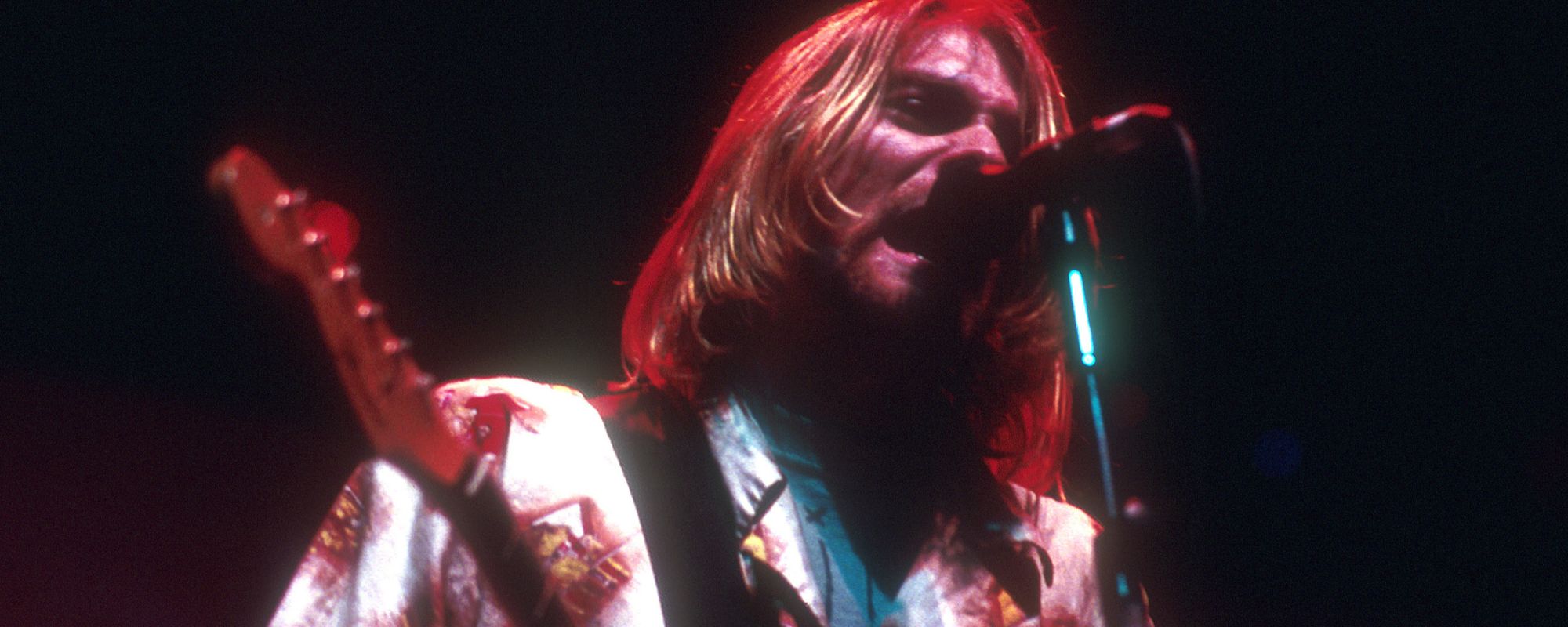
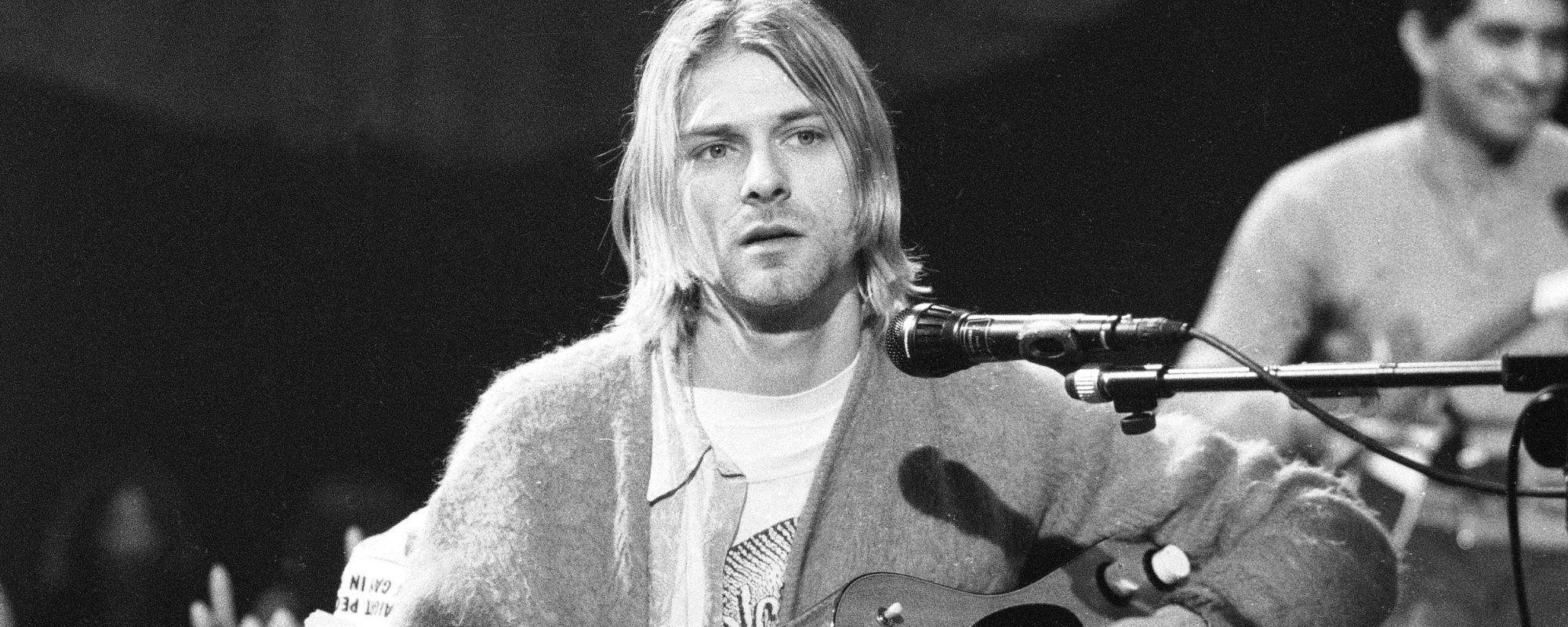
Kurt Cobain spoke often about the bands and records he enjoyed, and fans gained even more insight into his music tastes after his death through the release of his drawings and writings. In his journals, Kurt Cobain’s favorite records were plainly listed, and many of them made perfect sense. Though, at least one of them was somewhat surprising. Let’s look at just four of Kurt Cobain’s favorite records that inspired Nirvana’s unique sound!
Videos by American Songwriter
1. ‘Meet The Beatles!’ by The Beatles
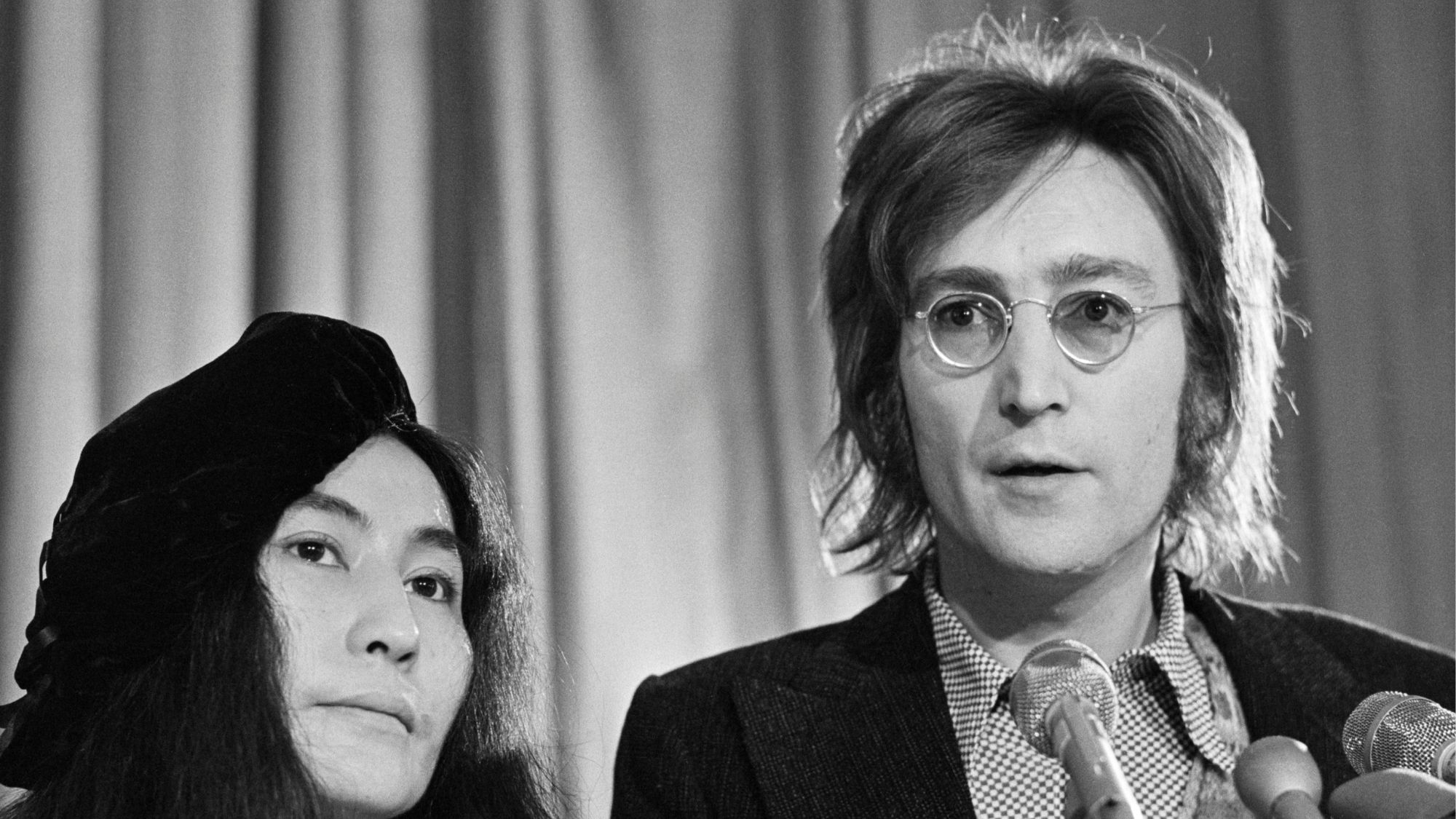
Out of all of Kurt Cobain’s known favorite records, this one is a little bit surprising. Most of his favorite works came from his contemporaries, or at the very least albums that were released around the same decade as Nirvana’s coming-up. Surprisingly, the 1964 album Meet The Beatles! was a personal fave of Cobain’s. He even talked about The Beatles in the past.
“[John] Lennon was obviously disturbed,” Cobain once said. “So I could relate to that.”
2. ‘Over The Edge’ by Wipers
The 1983 punk rock album Over The Edge by Wipers was another favorite of Cobain’s. We wouldn’t exactly say that Wipers were underrated in the US punk scene, but they definitely deserve more credit for influencing bands that were inspired by what can only be described as proto-pop punk stylings. “Romeo” and “Doom Town” are essential listening.
3. ‘Dying For It’ by The Vaselines
Cobain was quite a Vaselines fan, and he listed the 1988 EP Dying For It as one of his favorite records. The Scottish indie-pop outfit only featured four songs on the EP, but one of those tracks really resonated with Cobain. Nirvana ended up covering “Molly’s Lips” on the band’s compilation album Insecticide.
4. ‘The Man Who Sold The World’ by David Bowie
Cobain listed the 1971 album The Man Who Sold The World by David Bowie as one of his favorite albums, and that particular record was quite influential for Cobain. Nirvana covered the title track of this album for their 1993 MTV Unplugged set, which has since gone on to be one of their most legendary performances. In fact, that cover gave Bowie a bit of a career boost in the 1990s when his popularity had hit an all-time low.
Photo by Michel Linssen/Redferns
When you purchase through links on our site, we may earn an affiliate commission.


Leave a Reply
Only members can comment. Become a member. Already a member? Log in.