
Ron Nagle
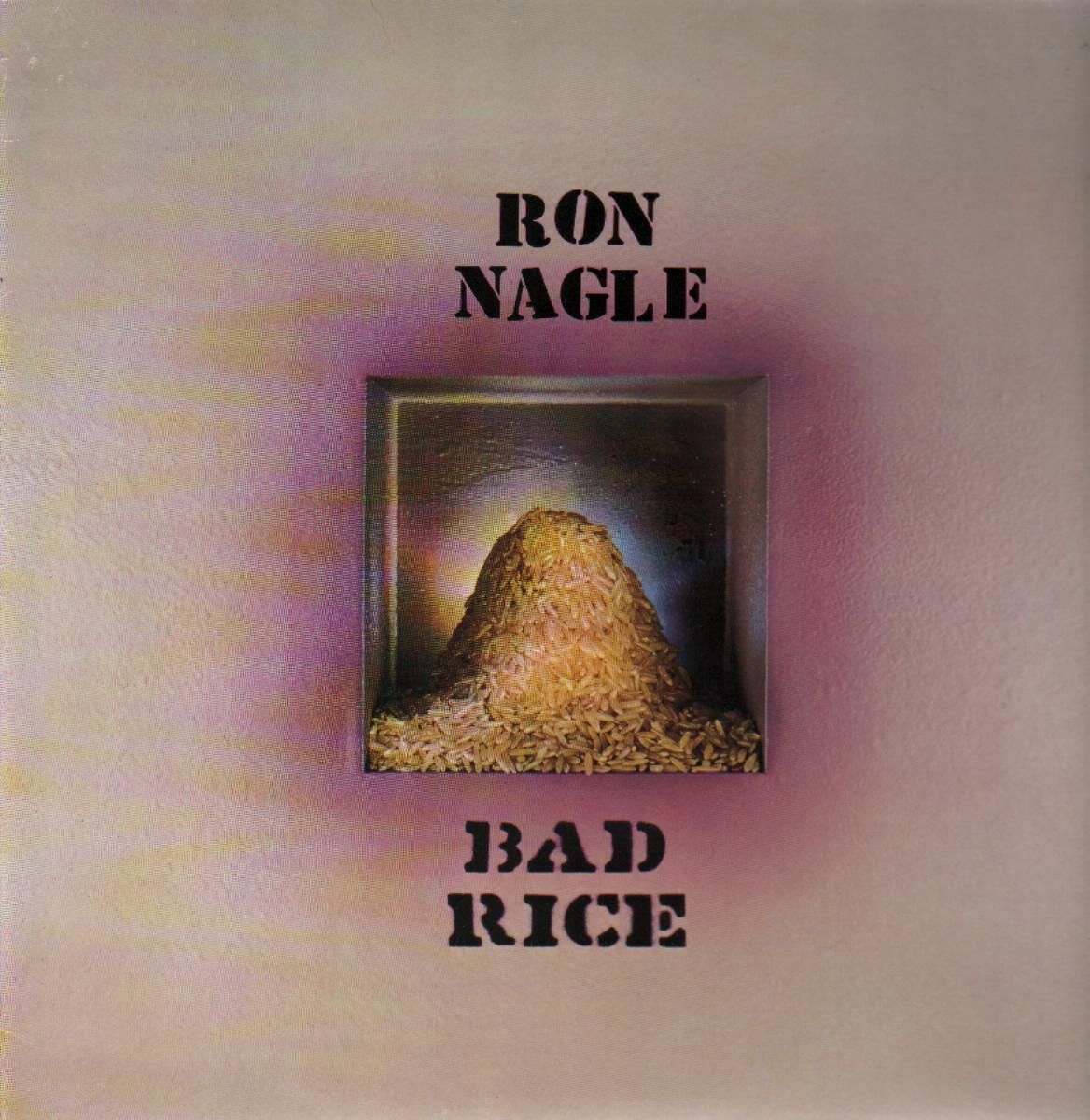
Bad Rice-reissue
(Omnivore)
3 out of 5 stars
This 1970 album never had a chance. Despite the involvement of legendary producer/arranger Jack Nitzche (then fresh off work with the Rolling Stones, Neil Young and the James Gang), and being on Warner Brothers (the hottest label at the time), it was saddled by awful cover art, an inscrutable title and a radio ad campaign (two 60 second spots are tacked onto this reissue) that was a misguided mess. Also, pianist/singer/songwriter Nagle’s first and only solo attempt suffered from pacing and tone that was all over the place, making it difficult to figure out who, and how, to market this now cult-worthy item. It was an almost instant cut-out soon after its release and not surprisingly has never been available on CD.
Better late than never, the Omnivore label comes to the rescue. They serve up a typically tasteful, intelligently packaged and annotated double disc remastered version to satiate the small but diehard fan base that has made this one of those difficult to obtain rarities whose reputation has only magnified with its scarcity in the 45 years since its initial appearance. Between the classy presentation and an entire second disc of demos even enthusiasts probably didn’t know existed, this is the definition of how to resuscitate what some consider a forgotten masterpiece. Unfortunately, it’s not that great.
Ron Nagle, who some may recognize as half of the Durocs, an obscure act that made a brief splash in the late 70s new wave scene, was a crafty lyricist. His character driven songs shifted from flat out rockers like the opening double shot of “61 Clay” and the anti-drug “Marijuana Hell” to sweeping, widescreen Jimmy Webb/Billy Joel styled ballads such as the lovely “Dolores” and the lugubrious “Frank’s Store.” Add a touch of T. Rex inspired boogie glam (“Francine,” “Party in LA”), rocking country (“Somethin’s Gotta Give Now”) and solo piano ballads (the schlocky “That’s What Friends are For” changes tempo mid-track) for an album that, even with many impressive moments and the always exciting work of sideman Ry Cooder, never gels.
This Frankenstein combination of various styles may work under certain circumstances, but Nitzche can’t seem to stitch these together with clarity. And when Nagle throws in a samba (“House of Mandia”), it gets hopelessly confused. The extra disc of demos, most of which did not make the final list, strips the sound down to predominantly solo piano, making for a more consistent, if less memorable, listening experience.
While the undercooked Bad Rice may not be the great lost gem many consider it to be, there are enough highlights that show Nagle had enough talent for at least a few more releases, if this had found an audience. Perhaps now it’ll have another shot at that elusive brass ring.
More Album Reviews
-
Photo via cover of ‘Butter Miracle, The Complete Sweets!’ by Counting Crows -
Photo by Will Von Bolton -

Will Heath/NBC via Getty Images