
Bob Dylan’s 1979 conversion to Christianity shocked many, but it wasn’t his first experience with controversy.
Videos by American Songwriter
This is, after all, an artist whose fans moved against him in 1965 over going electric. “Judas,” they called him. But Dylan’s newfound religion was striking for its intensity. He preached, raged, and judged.
Still, the fire-and-brimstone vibes shouldn’t have surprised anyone. Remember “The Times They Are a-Changin’” and the line: Come writers and critics / Who prophesize with your pen. It suggests some kind of wisdom delivered by the enlightened few to the sleeping masses. The word “prophesize” requires divine inspiration.
“Gotta Serve Somebody” begins Dylan’s first Christian album Slow Train Coming. And it shares the purposeful intent of his early period songs. An anthem for change and salvation. But it also repelled listeners.
Nevertheless, the album has aged well, and if you’ve skipped over this part of Dylan’s catalog, it’s worth listening to. “Gotta Serve Somebody” remains a gem from a curious stage in Dylan’s career.
The Devil or the Lord
Dylan preaches with righteous anger on “Gotta Serve Somebody” about the binary choice between good and evil. No matter who you are, even the most powerful must kneel before some entity.
You may be an ambassador to England or France
You may like to gamble, you might like to dance
You may be the heavyweight champion of the world
You may be a socialite with a long string of pearls
He fills verses with lists of people rich and poor, blind and lame, laborers, bankers, gun owners, and soldiers. Whether you run a country or you’re hiding under another name, you’re gonna have to serve somebody.
There’s no mercy in Dylan’s biblical folk-rock. Yet, with all its fundamentalist zeal, the track sounds remarkably smooth and easy. It’s powered by the skill of accomplished musicians and the deep soul of Muscle Shoals Sound Studio.
But you’re gonna have to serve somebody, yes indeed
You’re gonna have to serve somebody
Well, it may be the devil or it may be the Lord
But you’re gonna have to serve somebody
Later, he mentions his birth surname, Zimmerman. He aims for anyone who’ll listen. Family, friends, strangers. You all must serve somebody.
You may call me Bobby, you may call me Zimmy
Born Again
A series of setbacks led Dylan to the “light.” The Rolling Thunder Revue tour was fueled by drugs and chaos. His marriage to Sara Lownds ended bitterly in 1977. And his 1978 film Renaldo and Clara was widely panned and eventually yanked from the theaters.
Helena Springs—Dylan’s then-girlfriend and backing singer—influenced his turn toward Christianity. While touring to promote his 1978 album Street-Legal, Dylan claimed “the glory of the Lord knocked me down and picked me up” in a hotel room.
The experience planted the seeds for Slow Train Coming.
A Professional Band of Nonbelievers
Working at Muscle Shoals with producers Barry Beckett and Jerry Wexler, Dylan wanted to make a polished album. They assembled an elite studio team, including members of Dire Straits—guitarist Mark Knopfler and drummer Pick Withers.
He was responding to criticism over how Street-Legal sounded disconnected and careless. However, Dylan’s fundamentalism crashed head-on into the nonbelievers he surrounded himself with in the studio. When he attempted to proselytize to Wexler, the legendary producer said, “Bob, you’re dealing with a 62-year-old confirmed Jewish atheist. I’m hopeless. Let’s make an album.”
Shape-Shifting Folk Singer
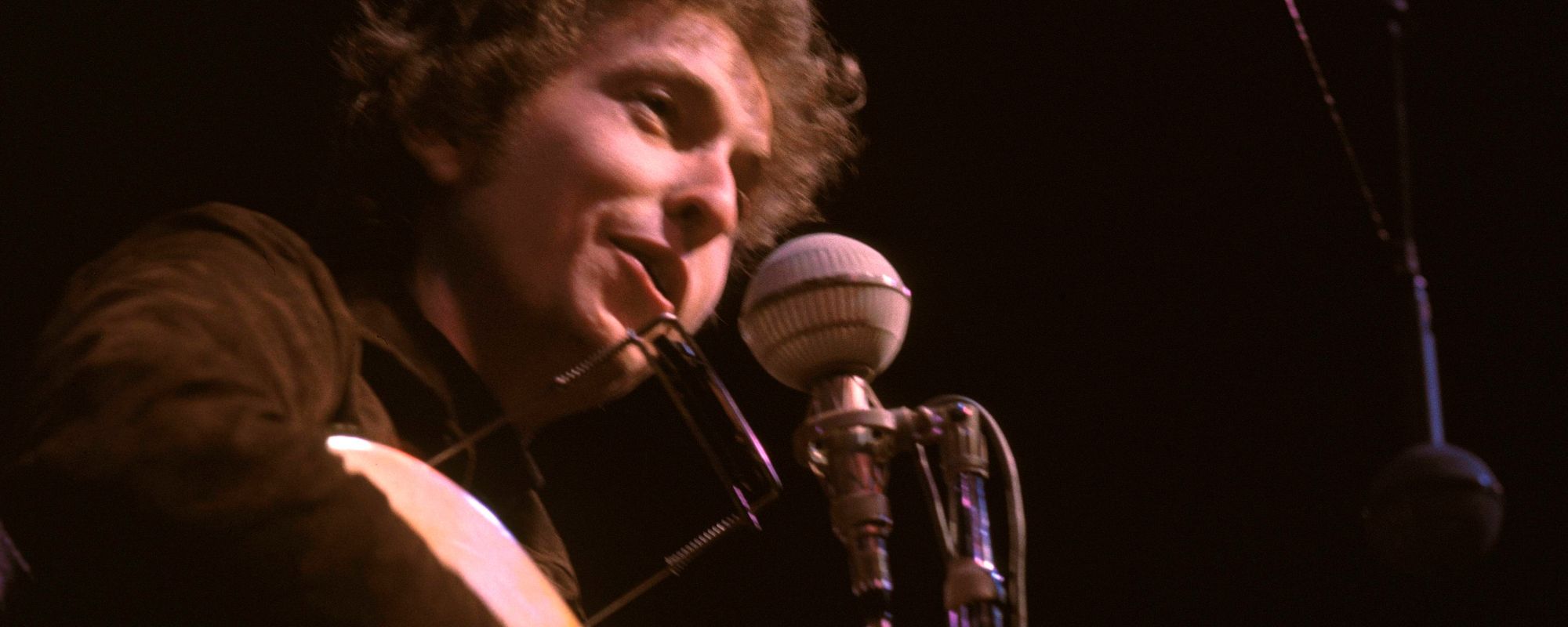
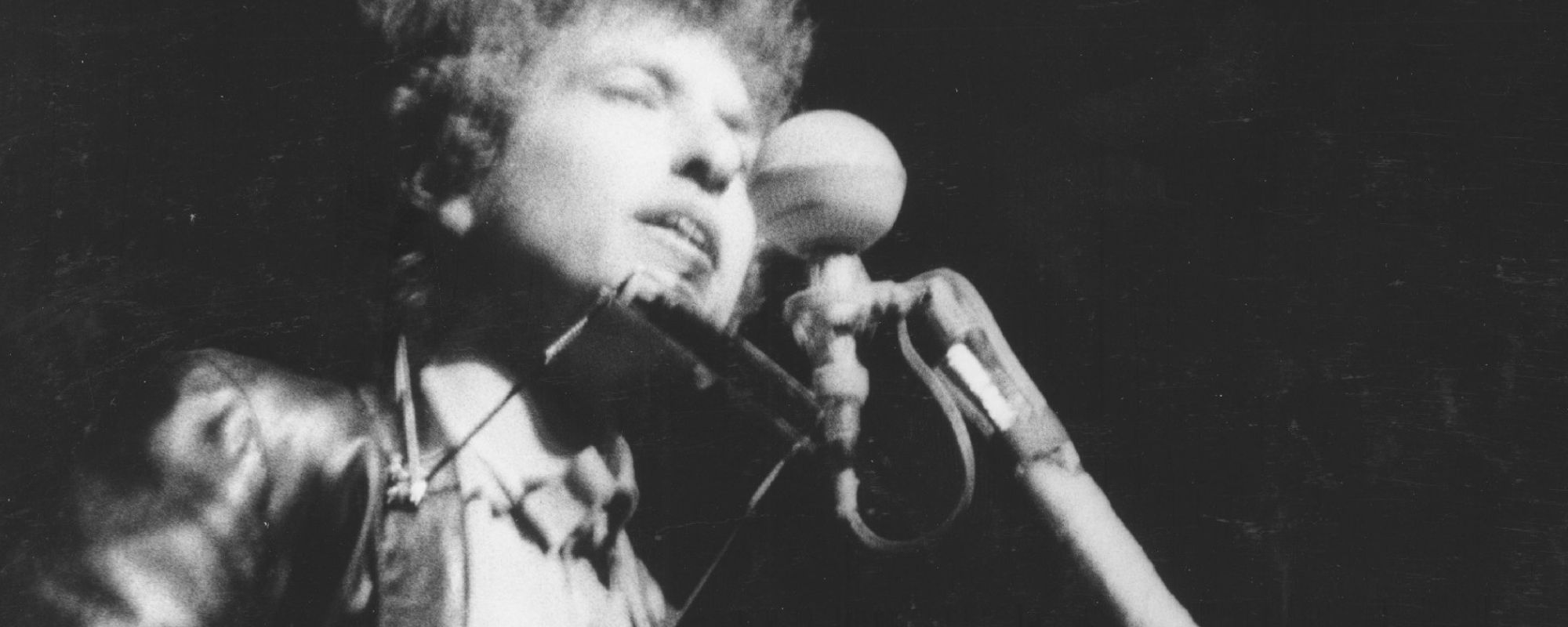
Reinvention has defined Dylan’s work as much as anything. He became the most prominent voice in the 1960s Greenwich Village folk scene before turning away from it with electric guitars and rock stardom.
At the height of his success and following a motorcycle accident in 1966, Dylan withdrew from the spotlight, tucked away in Woodstock, New York, where he jammed with The Band and raised a family. But at each phase, he reacted against what came before.
Once Dylan and The Band resumed large-scale touring in 1974, his domestic bliss deteriorated. Slow Train Coming insinuates a reckoning. But it also explains how cascading events led to a conversion. It kick-started a series of Christian-focused albums, ending with Infidels in 1983.
Though Dylan roamed in a creative wilderness for much of the ’80s, he slowly worked toward another masterpiece. But his comeback wouldn’t happen until the release of Time Out of Mind in 1997.
“Gotta Serve Somebody” is a warning. He saw a light and walked toward it. You should, too. But what if the light was a lamp from another approaching train?
It pulled into the station on Time Out of Mind with “Not Dark Yet.” A different kind of truth where Dylan submits to nihilism. He writes he doesn’t “even hear a murmur of a prayer.”
A new destination in Dylan’s evolution.
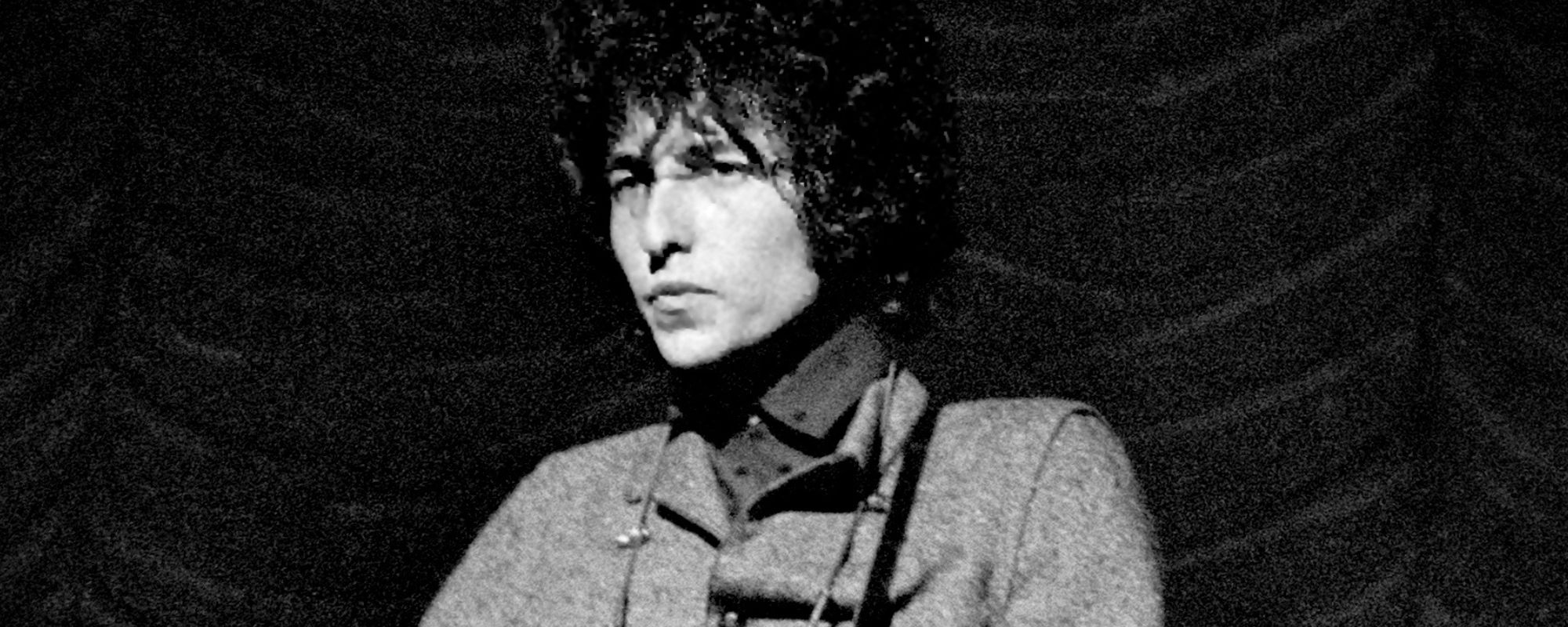
Photo by George Rose/Getty Images



Leave a Reply
Only members can comment. Become a member. Already a member? Log in.