
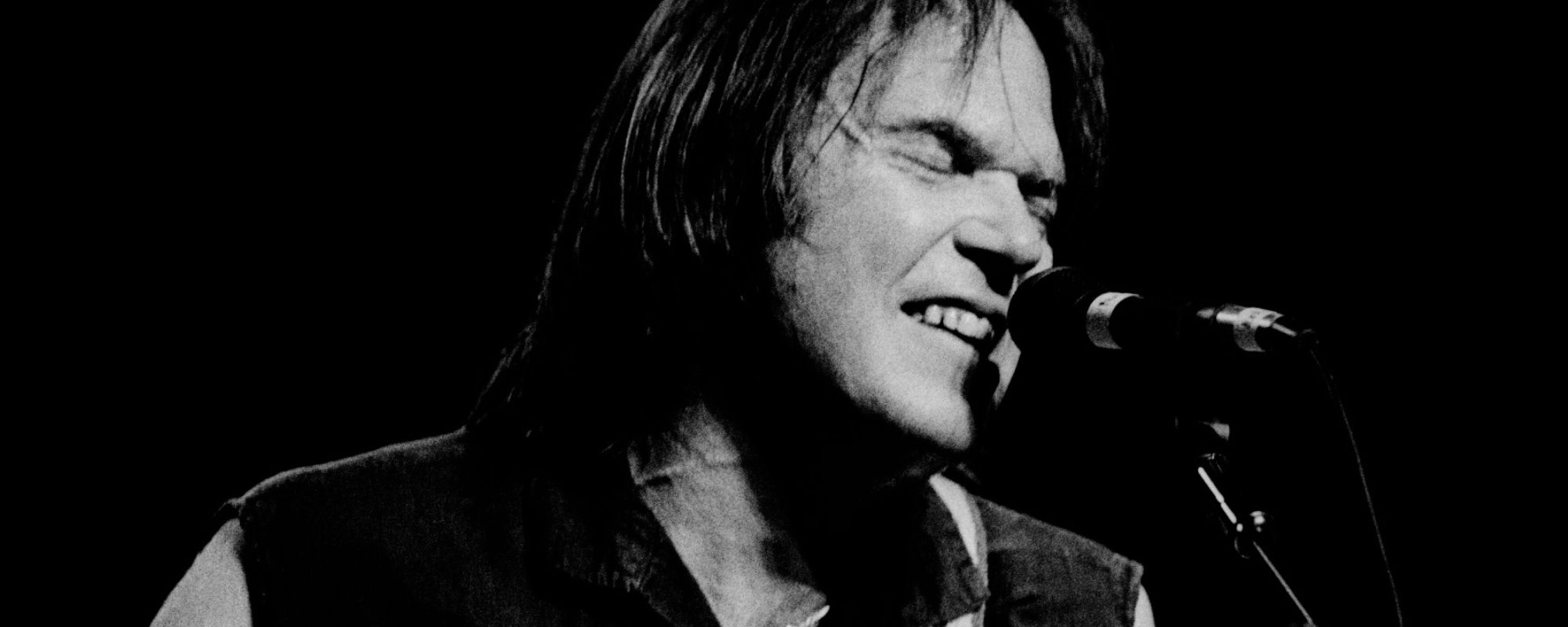
In 1979, Neil Young contemplated relevance and changing times in “My My, Hey Hey (Out of the Blue)” from Rust Never Sleeps.
Videos by American Songwriter
Perhaps Young felt like a fading rock star amidst the arrival of punk rock. And watching the quick rise and fall of the Sex Pistols inspired his song. He also references Elvis Presley, who died in 1977, the same year Never Mind the Bollocks, Here’s the Sex Pistols was released.
The king is gone but he’s not forgotten
This is the story of Johnny Rotten
However, Young had a fan in his protagonist.
Here and Gone
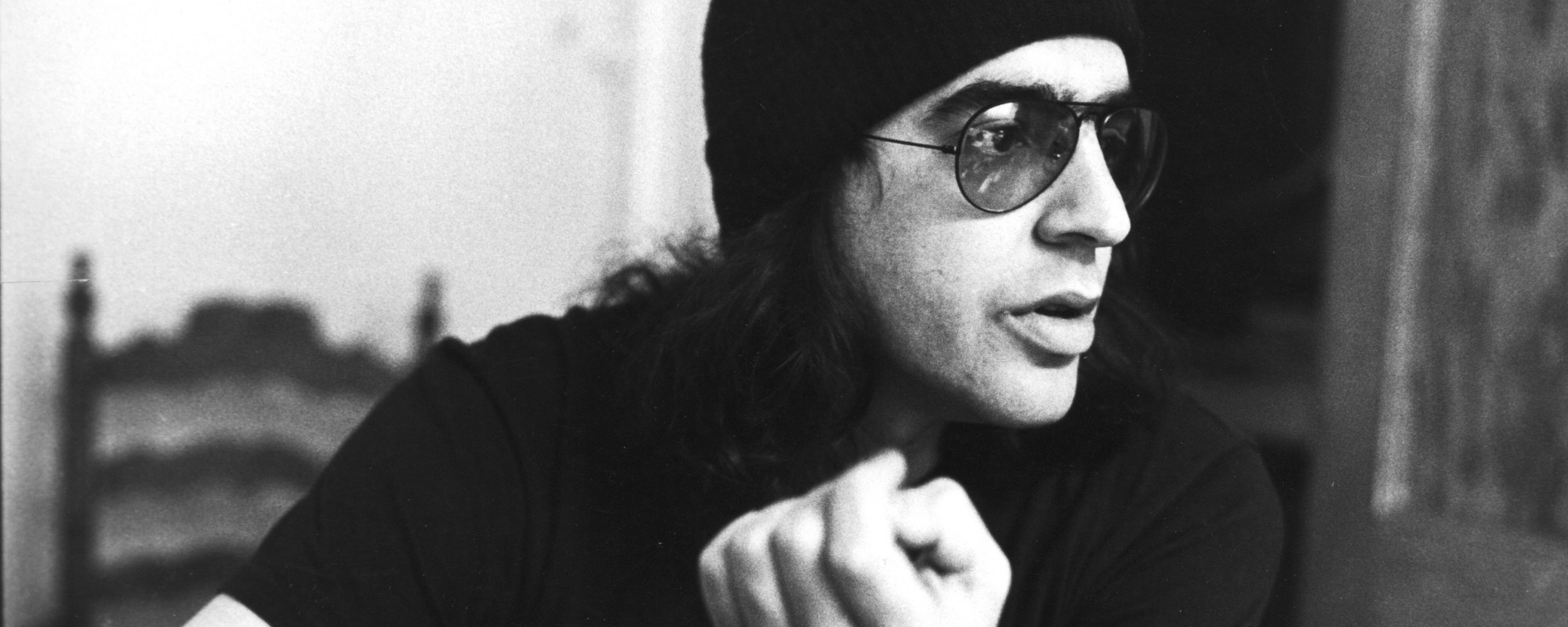
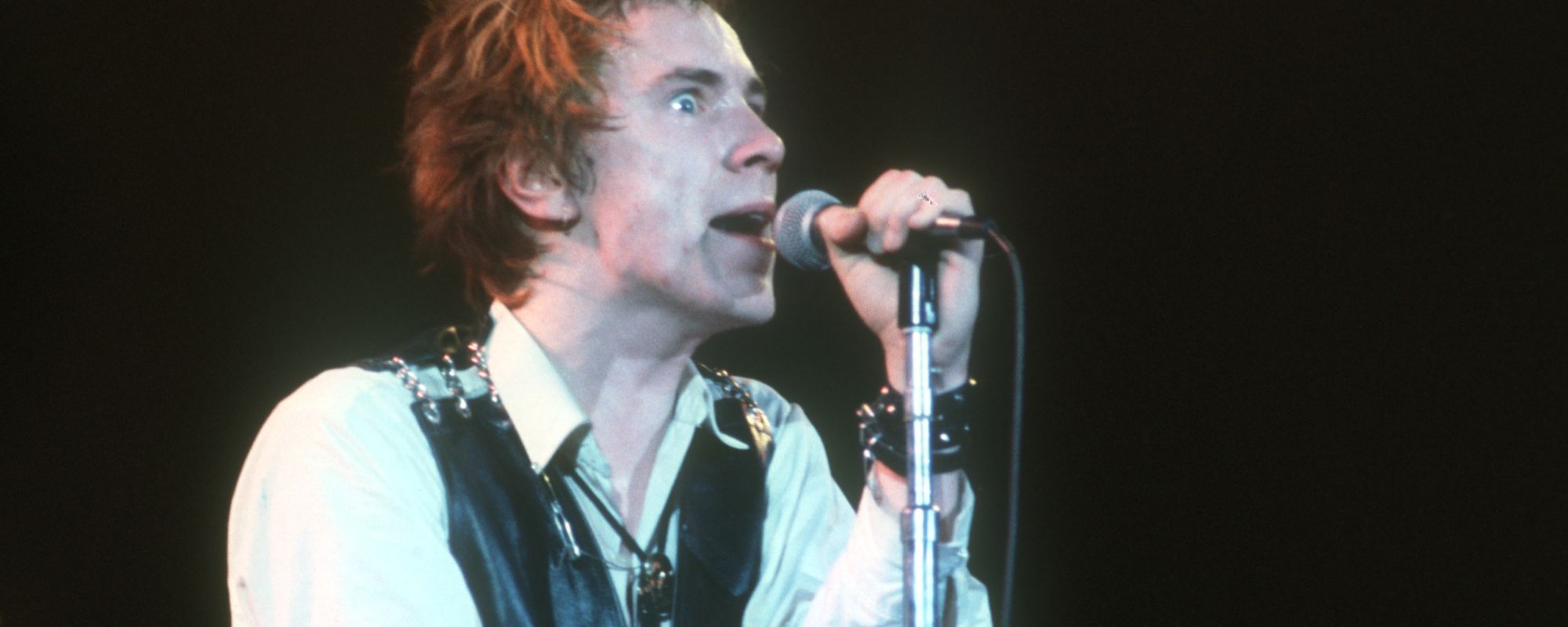
John Lydon became famous by his stage name, Johnny Rotten. As the lead singer of Sex Pistols, Lydon’s sneering attitude distilled punk rock’s irreverent spirit. If there’s one song from the era to encapsulate the anti-establishment vibe, it would be “God Save the Queen.” Upon release, the song was quickly banned in the UK, which only increased the Sex Pistols’ popularity.
Within a few years of blitzing media antics and one studio album, Sex Pistols imploded. Young celebrates their short run in one of his defining hooks.
My my, hey, hey
Rock and roll is here to stay
It’s better to burn out than to fade away
My my, hey, hey
‘Zuma’
John Lydon told Rolling Stone that Young’s 1975 album Zuma is one of his all-time favorite albums. “It’s so close to collapsing [laughs]. I really loved the mood and tones he puts into songs and, uh, so there that comes along,” he said.
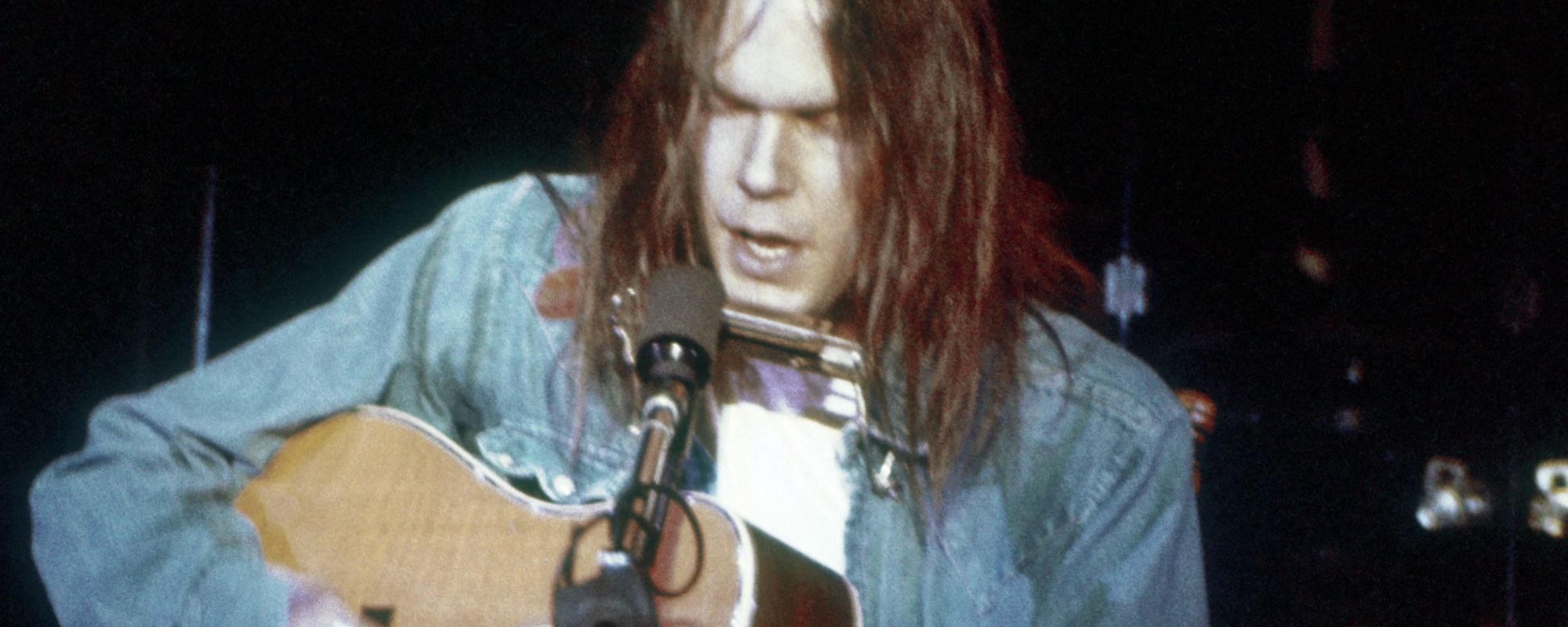
The first album in six years co-credited with Crazy Horse, Zuma also featured the debut of guitarist Frank Sampedro. Sampedro, known as “Poncho,” became an important figure in Young’s long career. When a tour of the Soviet Union was canceled in 1989, he told Young, “I guess we’ll have to keep on rockin’ in the free world.” The off-the-cuff remark became “Rockin’ in the Free World,” one of Young’s signature anthems. And it was yet another comeback for Young after his musical detours in the 1980s.
Following the overwhelming success of Harvest, Young released a series of commercial failures known as the “Ditch Trilogy.” Writing in the liner notes for Decade, Young said, “[‘Heart of Gold’] put me in the middle of the road. Traveling there soon became a bore, so I headed for the ditch.”
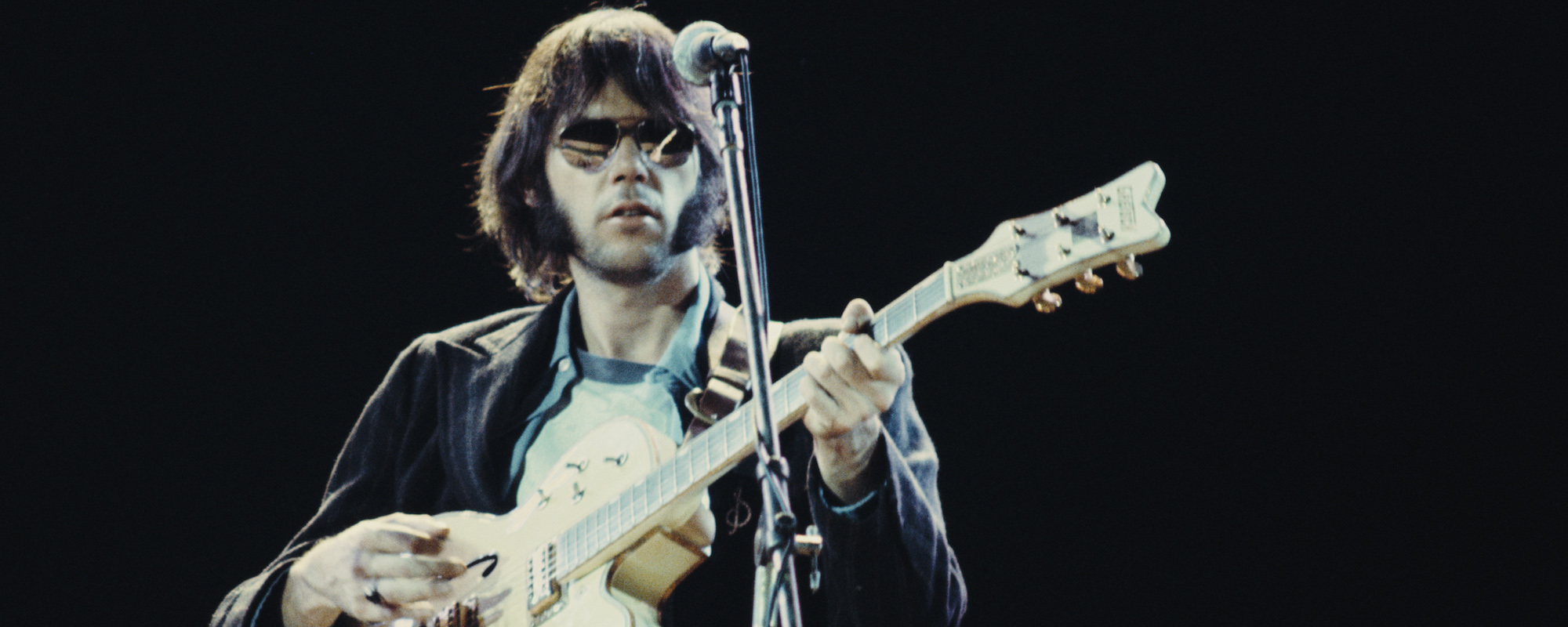
The third “ditch” album, Tonight’s the Night, arrived on June 20, 1975. Five months later, he released Zuma, which features the Crazy Horse epic “Cortez the Killer.”
You Can Keep Going
Lydon’s bombastic time with Sex Pistols mirrors punk rock’s short and fast songs. But Lydon survived the chaos of his youth with a long career that includes his band Public Image Ltd, as well as maintaining life as a timeless cultural figure.
Sex Pistols burned out, but Lydon didn’t fade away. Neither did Young, whose sprawling career and constant reinvention remain a blueprint for longevity.
It’s fitting for Zuma to be one of Lydon’s favorite albums. Following a period in the creative wilderness, or ditch as Young put it, the album brought Neil Young and Crazy Horse back. It wouldn’t be Young’s last drift into a creative cul-de-sac.
But the comebacks prove that burning out or fading away aren’t the only options.
And the women all were beautiful
And the men stood straight and strong
They offered life in sacrifice
So that others could go on
Photo By Rick Diamond/Getty Images


Leave a Reply
Only members can comment. Become a member. Already a member? Log in.