
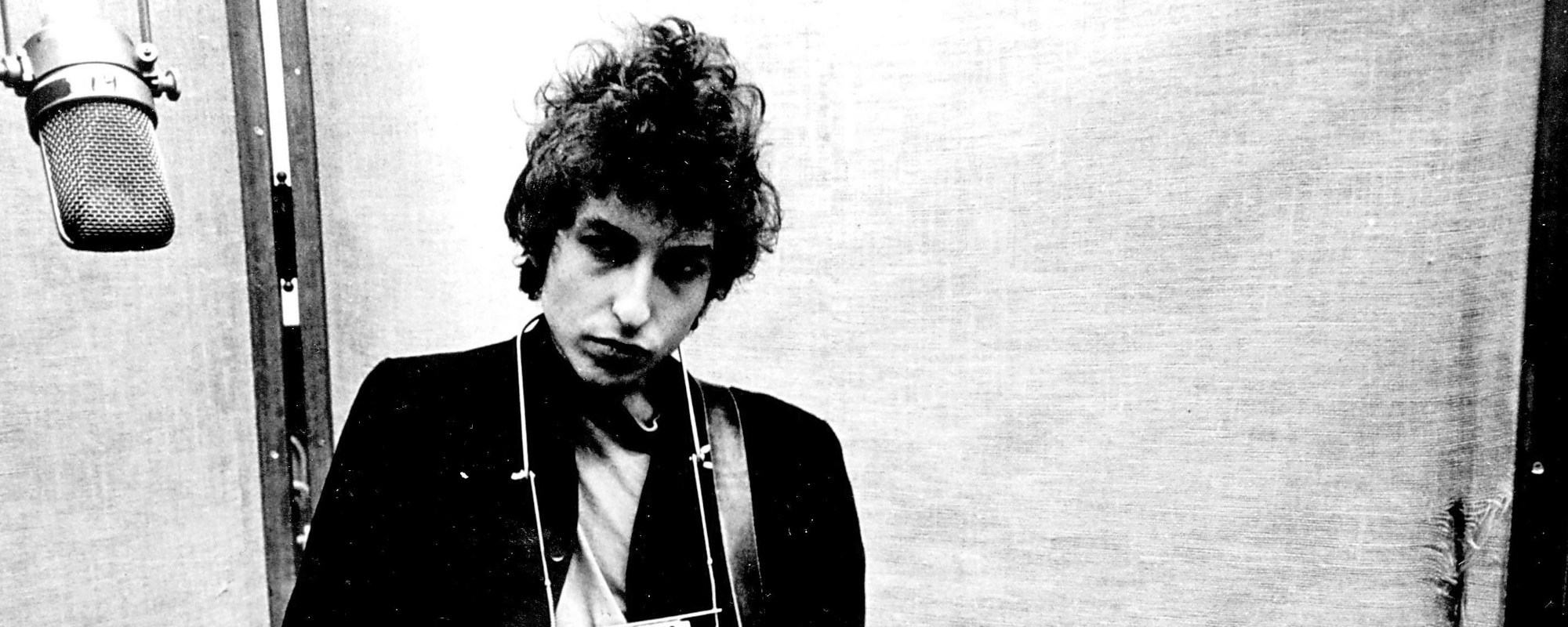
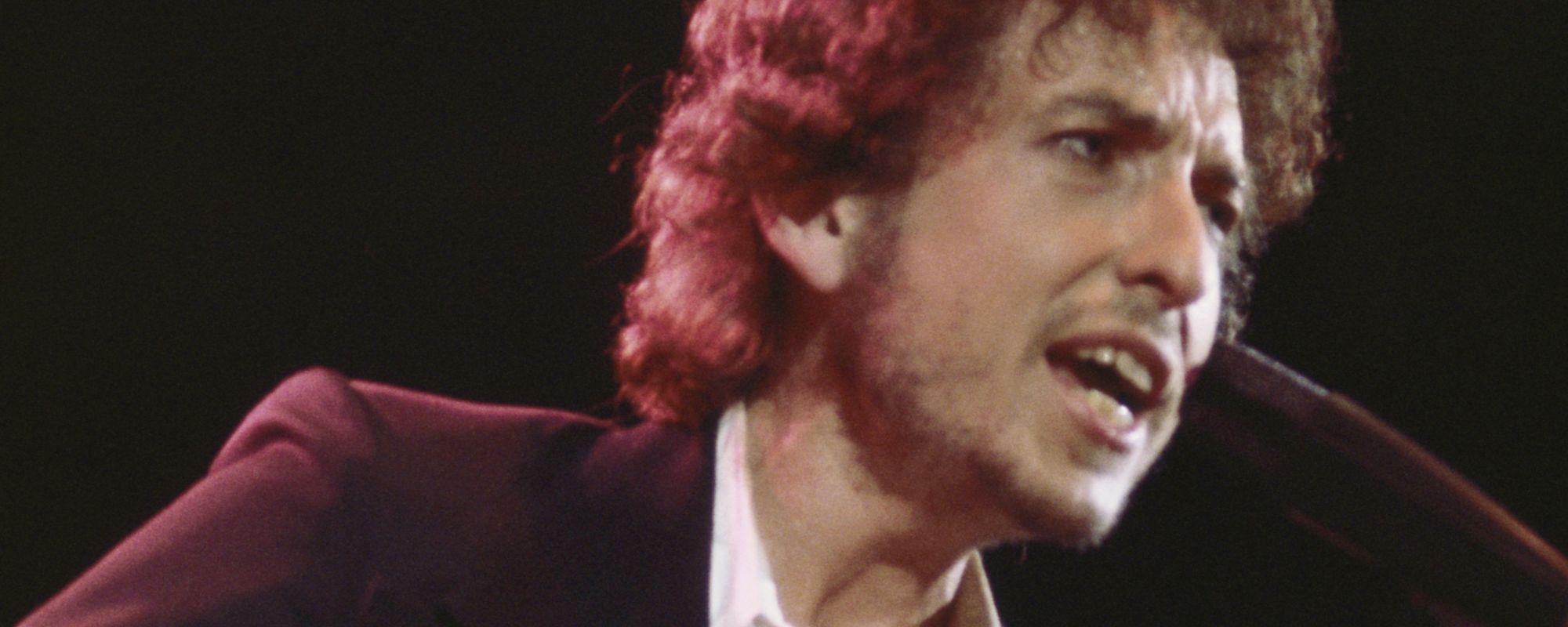
Some of Bob Dylan‘s most famous Civil Rights and general protest songs include “Blowin’ In The Wind”, “The Times They Are A-Changin’”, “Oxford Town”, “All Along The Watchtower”, and “The Lonesome Death Of Hattie Carroll”. Released in 1964, the exceptional protest song tells the story of Hattie Carroll, a black bartender who William Zantzinger killed in 1963.
Videos by American Songwriter
Bob Dylan did tell the general story of Carroll’s death and immortalized her legacy. However, Dylan wrongfully retold a few details. Details that very well could have led to numerous court dates and potentially a hefty fine or settlement. Although a lawsuit never came to be, Dylan’s song remains a quintessential song in Civil Rights history.
What Bob Dylan Got Wrong
Following the harrowing death of Hattie Carroll, Zantzinger was sentenced to six months in prison for the manslaughter conviction. Zantzinger’s sentencing and conviction were light due to the alleged injustice of the due process, grounded in the fact that he was the son of a wealthy real-estate developer and a prominent tobacco farmer himself. As a matter of fact, Zantzinger was free on bond during his sentencing to finish harvesting his tobacco crop.
What Dylan got right in his song was Zantzinger’s sentencing length. Although what he reportedly got wrong was what Zantzinger was specifically charged with. In the song, Dylan articulates that Zantzinger only received a charge for first-degree murder. That is reportedly not the case, as Zantzinger’s was also charged with second-degree murder, according to the Smithsonian. Additionally, Dylan also spelled Zantzinger’s name wrong, as he dropped the “T” in the lyrics of his song. Lastly, Dylan also claimed that Carroll had 10 children, but she had 11. These are fairly slight discrepancies, but Dylan’s biographer, Clinton Heylin, thought he was lucky that he didn’t experience any legal consequences.
In an interview with Rolling Stone, Clinton Heylin stated, “He’s very lucky that he didn’t get his a— sued.” “I love the song, but it’s a shameful piece of writing.” Furthermore, in Howard Sounes’ book, Down The Highway: The Life Of Bob Dylan, he was able to get a statement from Zantzinger. “He’s a no-account son of a b—h; he’s just like a scum of a bag [sic] of the earth, I should have sued him and put him in jail,” said Zantzinger.
This is certainly not the first nor the last time an artist has taken creative liberties for the sake of articulating a certain message.
Photo by Leicester Mercury/Mirrorpix/Getty Images



Leave a Reply
Only members can comment. Become a member. Already a member? Log in.