Your cart is currently empty!

3 Must-Know Tracks From Grateful Dead’s 1960s Psychedelic Era
If you are new to the Grateful Dead and want to begin at the beginning, this list is for you. As the 1960s wound down, bands unwittingly created a garage rock scene by playing noisy versions of blues and folk. Mixed with the decade’s psychedelic subculture, a new kind of rock music emerged. It aimed for the hallucinogenic experience of mind-altering drugs, giving way to the neatly named genres acid rock and psychedelic rock.
Videos by American Songwriter
Few bands have defined this culture more than the Grateful Dead. So, let’s explore three must-know tracks from the Dead’s psychedelic era.
“Morning Dew” from ‘Grateful Dead’ (1967)
Grateful Dead were already legends in San Francisco before their recorded debut arrived. An undefinable act that had to be experienced live. However, the attempt to capture the band’s power in a controlled studio environment yielded mixed results. The self-titled debut is psychedelic but leans more toward folk rock and blues.
On the excellent folk cover, “Morning Dew”, Jerry Garcia sings a summery tune over a hazy, organ-dominated orchestration. It’s a profound moment when something of awe begins to come into focus. Not fully perceptible, but close. Like the Grateful Dead learning how to capture their magic on tape. By the album’s final track, “Viola Lee Blues”, they were well on their way.
“Born Cross-Eyed” from ‘Anthem Of The Sun’ (1968)
On their second LP, the Grateful Dead solved the conundrum of transferring their live energy to the studio by recording their live sets. But instead of simply releasing a live album, the band blended live performances with studio tracks. A hybrid effort attempting to narrow the distance between improvisation and structured composition. This dance between discovery and reproduction is the DNA of jazz.
But the Dead, as a rock band, were learning how to harness unpredictability and musical execution. “Born Cross-Eyed”, written and sung by Bob Weir, is the only short track on the album. It appeared as the B-side to the Dead’s 1968 non-album single and classic, “Dark Star”.
“St. Stephen” from ‘Aoxomoxoa’ (1969)
The palindrome forming the Dead’s third album title doesn’t mean anything. But the same word read backward and forward feels like a metaphor for the recording of Aoxomoxoa. The band recorded the album twice. They chose to scrap the first effort and try again after the studio had acquired an Ampex 16-track tape machine, doubling the number of tracks of standard tape machines then. So the band took advantage of the new technology and crafted a denser and more expanded recording.
The album also marked the addition of Robert Hunter as the Dead’s full-time lyricist. It’s a fitting bookend to the Dead’s psychedelic chapter, with acoustic tunes like “Rosemary” and “Mountains Of The Moon” foreshadowing where they’d go next on Workingman’s Dead. But before their Americana turn, they begin Aoxomoxoa with a psych masterpiece, “St. Stephen”.
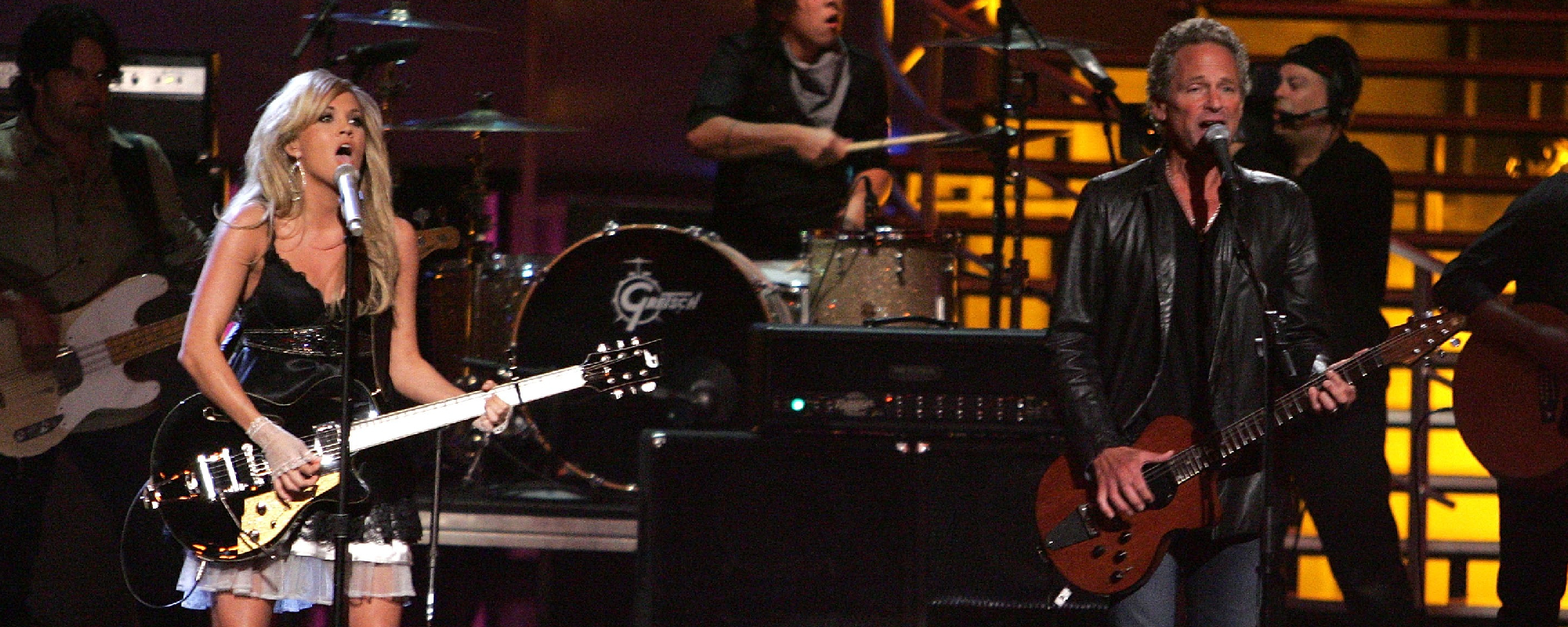
Photo by Robert Altman/Michael Ochs Archives/Getty Images
Leave a Reply
Only members can comment. Become a member. Already a member? Log in.