A seismic wave was rattling through the music industry in 1965, and one of its many epicenters was the Newport Folk Festival stage, where Bob Dylan and his band were performing in late July of that year. The rumblings began with a song Dylan released as a single in the United Kingdom one month earlier, on June 4, 1964.
No one—not the British listening audience nor Dylan himself—could have anticipated the havoc this single would wreak on the American folk music scene.
Videos by American Songwriter
Bob Dylan Released “Maggie’s Farm” As a UK Single
Bob Dylan released his fifth studio album, Bringing It All Back Home, on Columbia Records in April 1965. The first American single to come from that album was “Subterranean Homesick Blues”, followed by “Mr. Tambourine Man”. The third single, “Maggie’s Farm”, was a U.K. release only, likely bolstered by British fascination with American musical lore, especially in the context of protest music.
The single peaked at No. 22 on the U.K. charts. And although it’s certainly a beloved track for American fans of Dylan, “Maggie’s Farm” isn’t the first song most U.S. listeners think of when they think of the singer-songwriter in the mid-1960s. And maybe that’s a byproduct of countless people licking their wounds after hearing Dylan perform a, shall we say, rousing rendition of the track at the Newport Folk Festival in late July 1965.
The Electric Guitar Sound Heard ‘Round the World
The Newport Folk Festival of 1965 was a pivotal moment in musical history, marking Bob Dylan’s transition from acoustic to electric. In his short, under-30-minute set, the singer-songwriter effectively established an entirely new subgenre of folk music—and alienated half of the existing fans of the genre. And it all started with an electric version of “Maggie’s Farm”, which kicked off his Newport set.
As stage manager Joe Boyd later recalled in White Bicycles: Making Music in the 1960s, he ran “straight to the press enclosure” after hearing the first blaring notes of “Maggie’s Farm”. “By today’s standards, the volume wasn’t particularly high. But in 1965, it was probably the loudest thing anyone in the audience had ever heard. A buzz of shock and amazement ran through the crowd.”
“When the song finished, there was a roar that contained many sounds,” he continued. “Certainly, boos were included. But they weren’t in a majority. There were shouts of delight and triumph and also of derision and outrage. The musicians didn’t wait around to interpret it. They just plunged straight into the second song.”
And indeed, Dylan continued to follow this ethos for the rest of his career. Don’t wait around to see what people think of the music. Just plunge into the next song, the next album, the next phase, and watch the world eventually fall in line.
Photo by Alice Ochs/Michael Ochs Archives/Getty Images
-
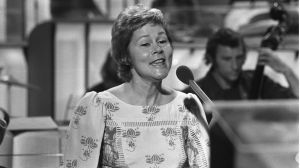
Nederpopzien, Anita Kerr headline, April 9, 1974, music, The Netherlands, 20th century press agency photo, news to remember, documentary, historic photography 1945-1990, visual stories, human history of the Twentieth Century, capturing moments in time. (Photo by: Sepia Times/Universal Images Group via Getty Images) -
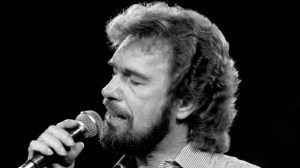
Gene Watson, who had several hits with Dallas Harms songs -
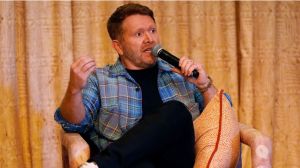
NASHVILLE, TENNESSEE – Shane McAnally speaks onstage during GLAAD's Pride & Progress Event at Soho House Nashville on June 05, 2026 in Nashville, Tennessee. (Photo by Erika Goldring/Getty Images for GLAAD) -
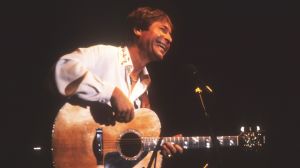
MINNEAPOLIS, MN – John Denver performs at the Northrup Auditorium in Minneapolis, Minnesota on October 5, 1991. (Photo by Jim Steinfeldt/Michael Ochs Archives/Getty Images) -
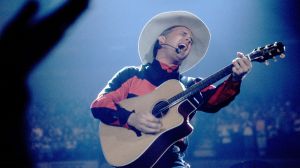
American country musician Garth Brooks performs onstage, Chicago, Illinois, October 1, 1993. (Photo by Paul Natkin/Getty Images)