Your cart is currently empty!



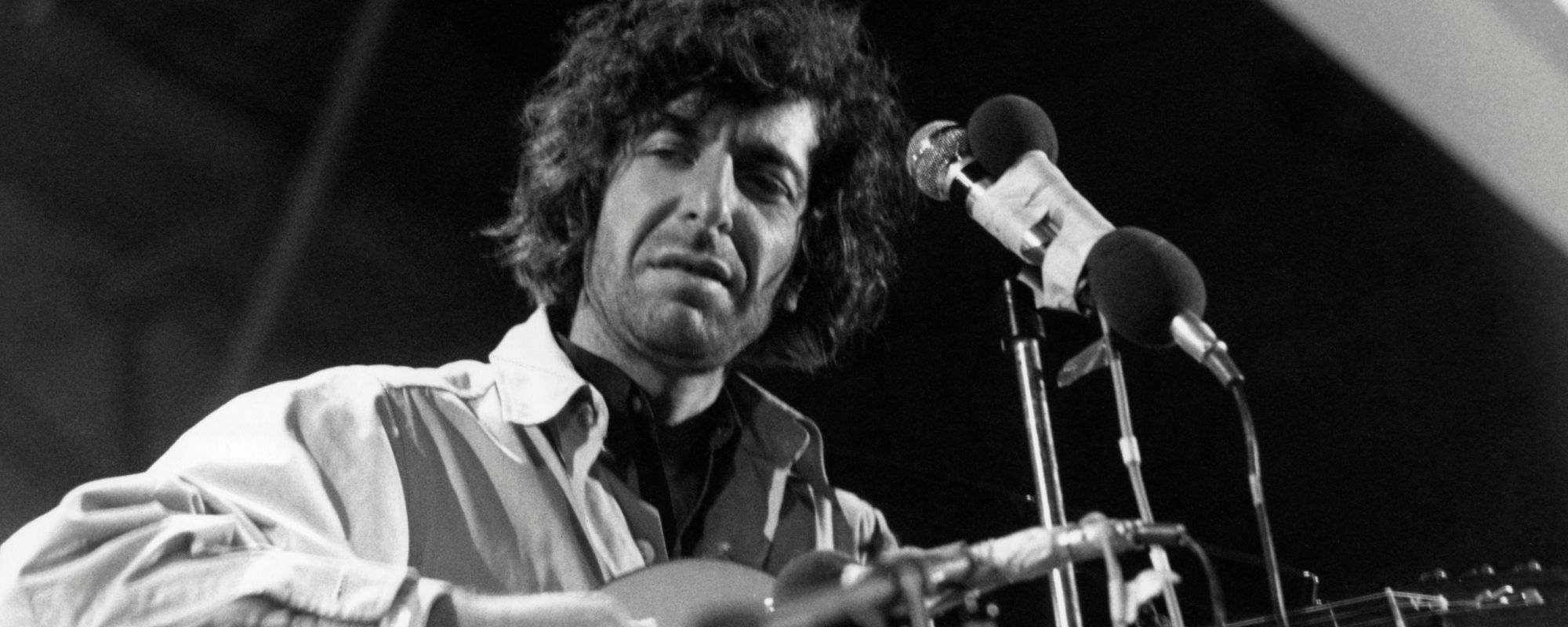
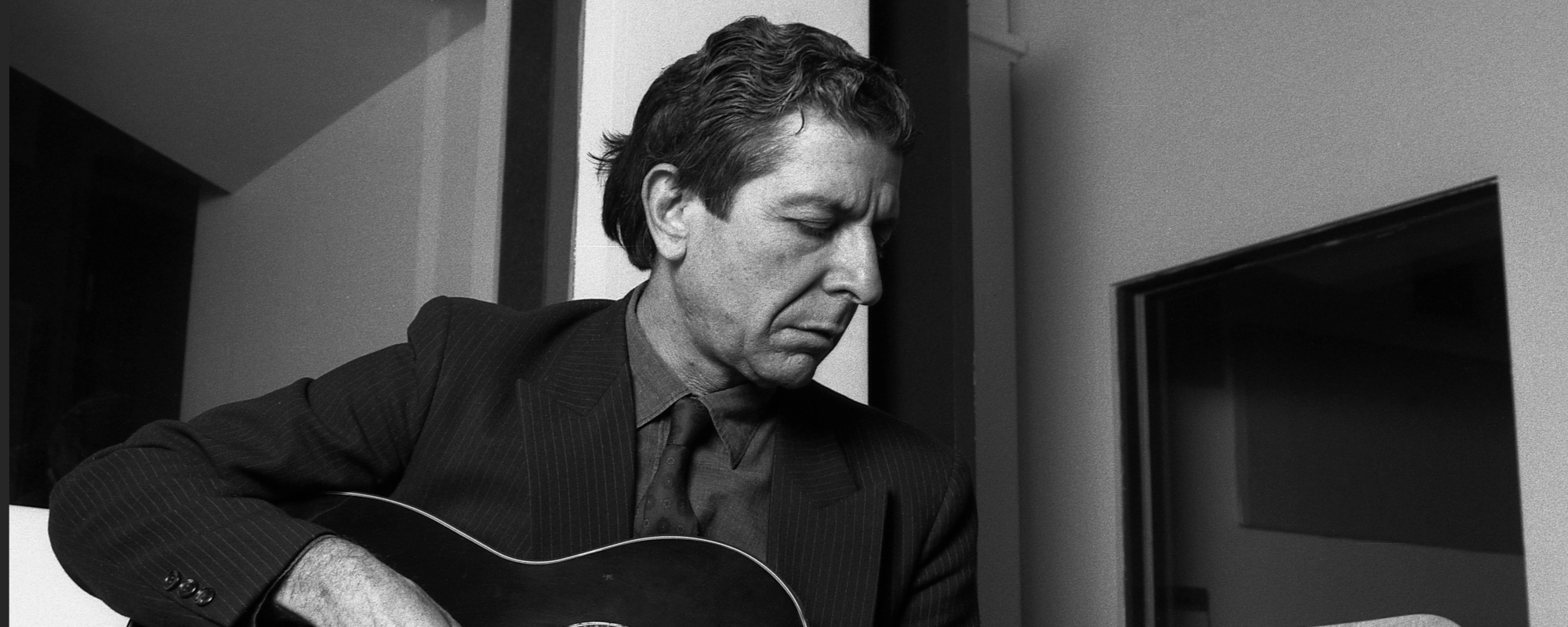
Leonard Cohen’s Overlooked Classic From 1984
Leonard Cohen’s record label in the U.S. didn’t think his seventh album, Various Positions, had commercial appeal.
Videos by American Songwriter
With Columbia Records having its doubts, independent label Passport Records released the album instead. Various Positions arrived in Canada in 1984 and later in the U.S. and Europe the following year.
The nearly shelved album is now widely known for the much-covered “Hallelujah.” But the album opener, “Dance Me to the End of Love,” is equally classic and remains one of Cohen’s gems.
Last Dance
“Dance Me to the End of Love” describes the horror of the Holocaust death camps and the classical music that occasionally accompanied the killing and burning of prisoners.
“But that came from just hearing or reading or knowing that in the death camps, beside the crematoria, in certain of the death camps, a string quartet was pressed into performance while this horror was going on, those were the people whose fate was this horror also. And they would be playing classical music while their fellow prisoners were being killed and burnt,” Cohen told CBC Radio in 1995.
Oh, let me see your beauty when the witnesses are gone
Let me feel you moving like they do in Babylon
Show me slowly what I only know the limits of
Dance me to the end of love
It’s impossible to interpret how one navigates the emotional torture of unfathomable atrocities. But Cohen’s poetry searches for crumbs of beauty, escape, and peace. It’s one final act of rebellion, standing stubbornly against profound darkness.
Dance me to the children who are asking to be born
Dance me through the curtains that our kisses have outworn
Raise a tent of shelter now, though every thread is torn
Dance me to the end of love
“Your songs are more Jewish, is that right?”
In a 1985 interview on the Israeli television show Erev Hadash, journalist Dan Margalit asked Cohen whether his songs were “more” Jewish. Cohen said, “My songs are always Jewish, they can’t be anything else but Jewish.”
Regarding the “more” part, Cohen added, it’s like saying someone is “a little bit pregnant” or “a little bit dead.” There was no other way for him to write. “My heart was circumcised in the Jewish tradition,” he said.
Dance me to your beauty with a burning violin
Dance me through the panic till I’m gathered safely in
Touch me with your naked hand, touch me with your glove
Dance me to the end of love
A Modern Sound
Five years had passed between his previous album, Recent Songs, and Various Positions. When asked about his absence, he said he stayed busy with his children, who were living in southern France at the time.
Then he published Book of Mercy in 1984 and eventually a collection of songs began to take shape. However, instead of writing with a classical guitar, Cohen presented the new songs to his producer John Lissauer using a Casio keyboard.
The album sounds like Cohen turning toward the modern world. It sits atop a bed of synthesizers instead of his familiar nylon string guitar. But the instrumentation wasn’t the only change.
Cohen’s voice deepened, too. He thought it had to do with cigarettes and whiskey, though he’d quit smoking years earlier. He said his voice began changing in 1982. Combined with the keyboards, this initiated a new chapter in Cohen’s recorded work.
Hallelujah
“Hallelujah” remains the album’s most well-known track—thanks to endless cover versions. (Jeff Buckley’s fragile and cathedral reading became the impossible yardstick by which all others are measured.)
But “Hallelujah” and “Dance Me to the End of Love” find Cohen connecting two very different worlds. There are physical and spiritual dimensions to “Hallelujah.” Its words are part enlightenment and part desire. But “Dance Me to the End of Love” stays earthy.
Cohen zooms into a tight window of remaining life. Fleeting moments of joy against a ghastly reality. Music history has many great songwriters, but Cohen’s use of language to distill humanness into frames of lyrics is no less breathtaking no matter how many times you’ve heard his songs.
Take a minute and look at the following nine words: Dance me to your beauty with a burning violin.
He tells you everything you need to know about the song in a single line. It’s not the title. But the story of a people who suffered one of history’s greatest tragedies.
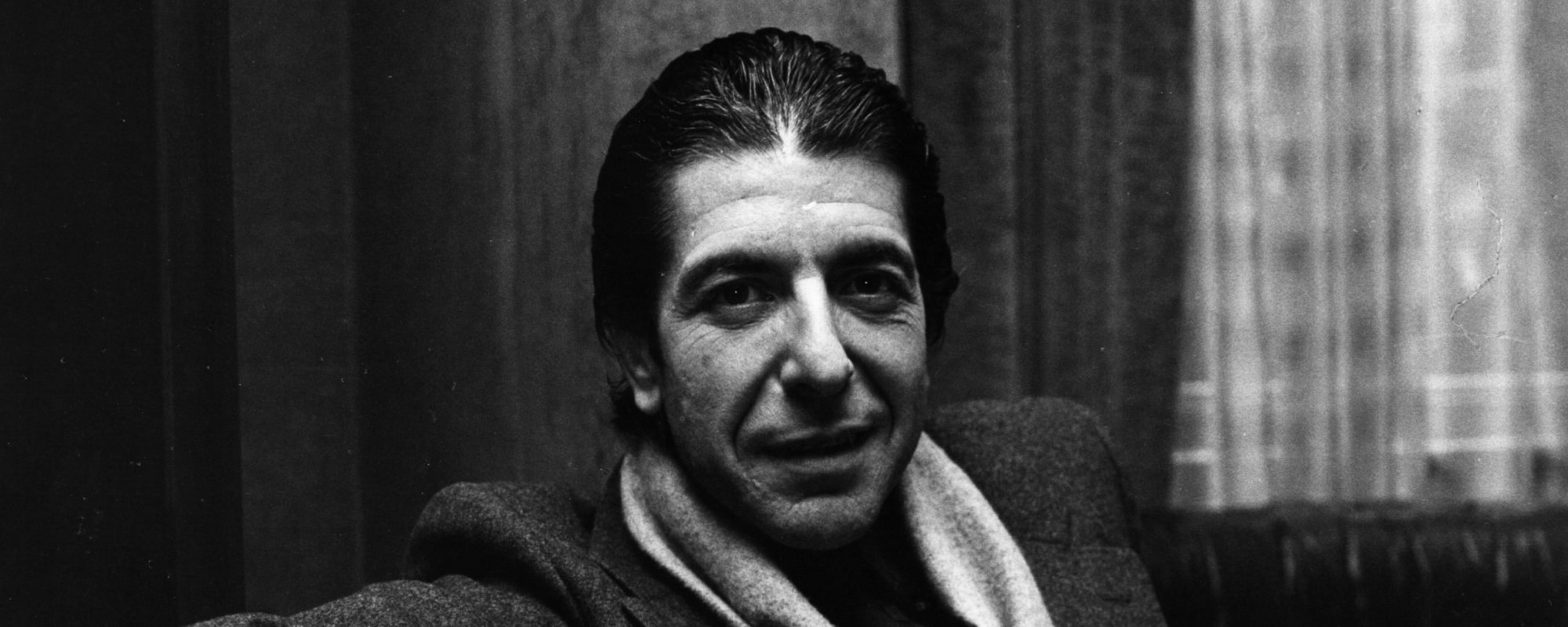
Photo by Oliver Morris/Getty Images


Leave a Reply
Only members can comment. Become a member. Already a member? Log in.