Your cart is currently empty!



3 Classic Rock Slow Jams From the Early 1970s To Improve Your Day
One of the easiest things to do in music is turn up the volume. It’s also one of the biggest makes an artist can make. To not understand nuance, subtlety is a rookie mistake. Not every song has to be big and bold and boisterous. Some can be nice and slow. After all, the 20th century basically created an entire genre of such nice and slow tunes, best known as slow jams. That’s just what we wanted to explore here. We wanted to showcase three classic rock songs from the early 1970s that aren’t over-the-top-enormous. Indeed, these are three classic rock slow jams from the first few years of the 1970s that just might ease your day.
Videos by American Songwriter
“Bridge Over Troubled Water” by Simon & Garfunkel from ‘Bridge Over Troubled Water’ (1970)
Paul Simon and Art Garfunkel knew how to make a slow jam. They knew that the power of their voices blended together could reach all corners of the Earth. One could choose any number of songs from the duo, but to bask in “Bridge Over Troubled Water” is to believe in some sort of divinity. This is one of the duo’s most soothing releases of their career together.
“Maybe I’m Amazed” by Paul McCartney from ‘McCartney’ (1970)
A love song for the ages came out at the dawn of the 1970s. Indeed, just after The Beatles disbanded, former Mop Top Paul McCartney quickly began to release solo music, including this loving tune for his wife Linda. The song will get you drifting, and then it will pull you out to an ocean of adoration. This is one of the best love songs of the 1970s.
“Let’s Stay Together” by Al Green from ‘Let’s Stay Together’ (1971)
All this song wants to do is love you. It wants to suppose you, to just be around you. And doesn’t Al Green’s voice buoy you? Don’t you just feel better after listening to it? Let the daylight dwindle in the window, and let dusk take you as Green sings about just wanting to be together. It’s all meant to be! So relax, and let the music do its thing. You can’t go wrong with a little Al Green.
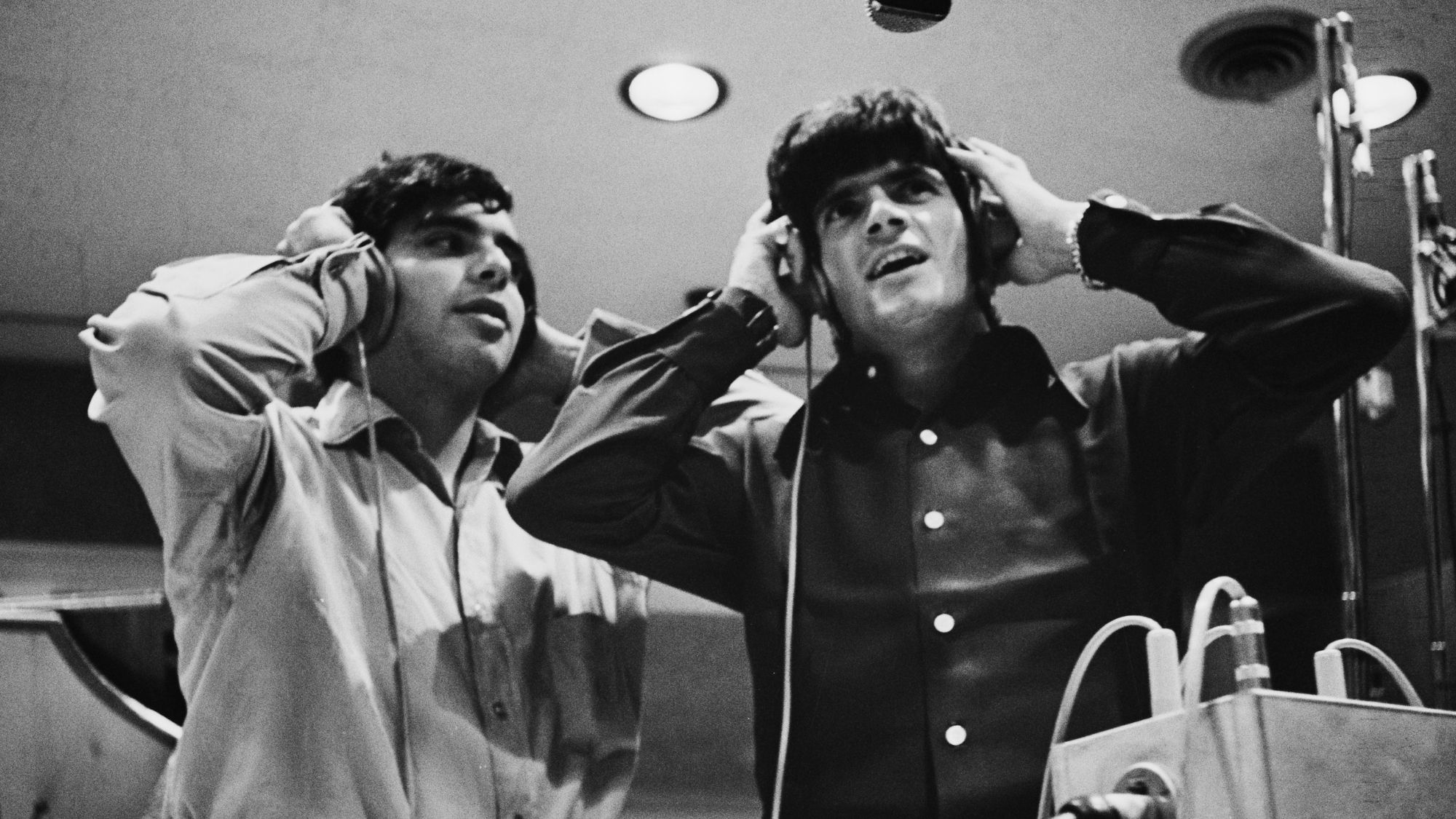
Photo by Evening Standard/Getty Images



Leave a Reply
Only members can comment. Become a member. Already a member? Log in.