Your cart is currently empty!



On This Day in 1988, the World Lost a Rock Icon Whose Greatest Accomplishments Always Seemed to Be Followed by Tragedy
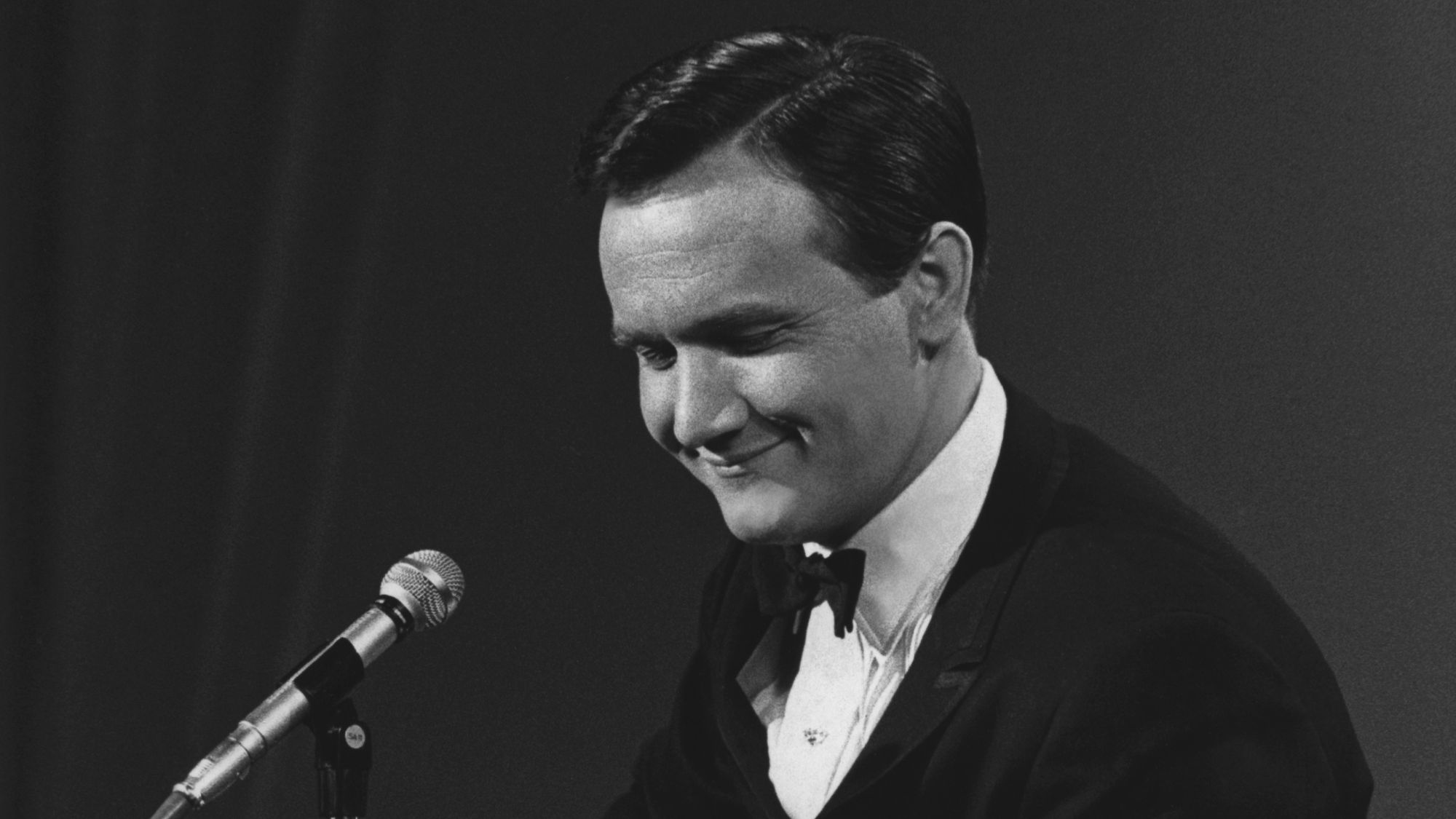
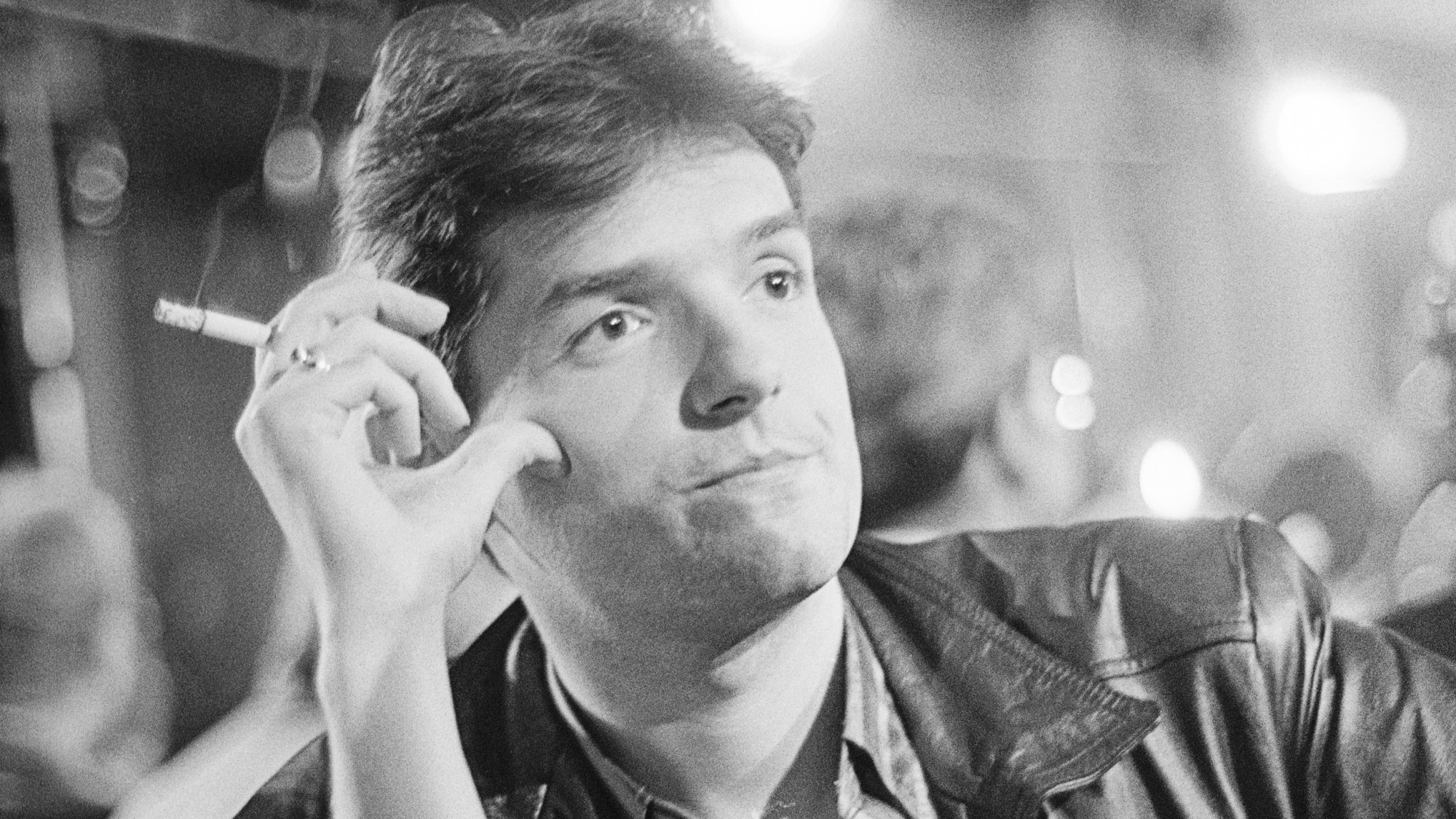
Roy Orbison is an early rock ‘n’ roll icon whose greatest career heights were often followed by immense tragedy, not the least of which was his tragic death at 52 years old on December 6, 1988. With hits like “Oh, Pretty Woman” and “Crying”, Orbison’s distinct, warbling croon was an integral part of the 1960s’ musical landscape. His voice was reminiscent of Elvis Presley, which was likely on Sun Records founder Sam Phillips’ mind when he brought Orbison on to the label after Presley left.
Videos by American Songwriter
Orbison’s glossy black hair, black sunglasses, and emotional musical delivery made him a literal dark horse in the music industry, and his creative direction didn’t always mesh with Memphis. Eventually, Orbison left Sun Records for Monument, out of Nashville, after which he began to find greater success as a recording and touring artist. By the mid-1960s, Orbison was a household name with several Top 10 hits under his belt. But just as his star was rising, his personal life began to crumble.
Both Orbison and his wife, Claudette, had extramarital affairs, though most sources cite Orbison’s infidelity as the driving factor in his wife’s affair. The couple split up for a short time, reuniting a year later. Tragically, one year after that, Claudette died from injuries she sustained in a motorcycle accident. Two years later, in 1968, Orbison’s home in Hendersonville, Tennessee, burned down, and his two eldest sons died in the fire.
To make matters worse, his music and career—which served as a salve during these devastating times—also started to falter. By the end of the 1970s, he was practically a rock ‘n’ roll antiquity.
Roy Orbison Was Experiencing a Renaissance at the Time of His Death
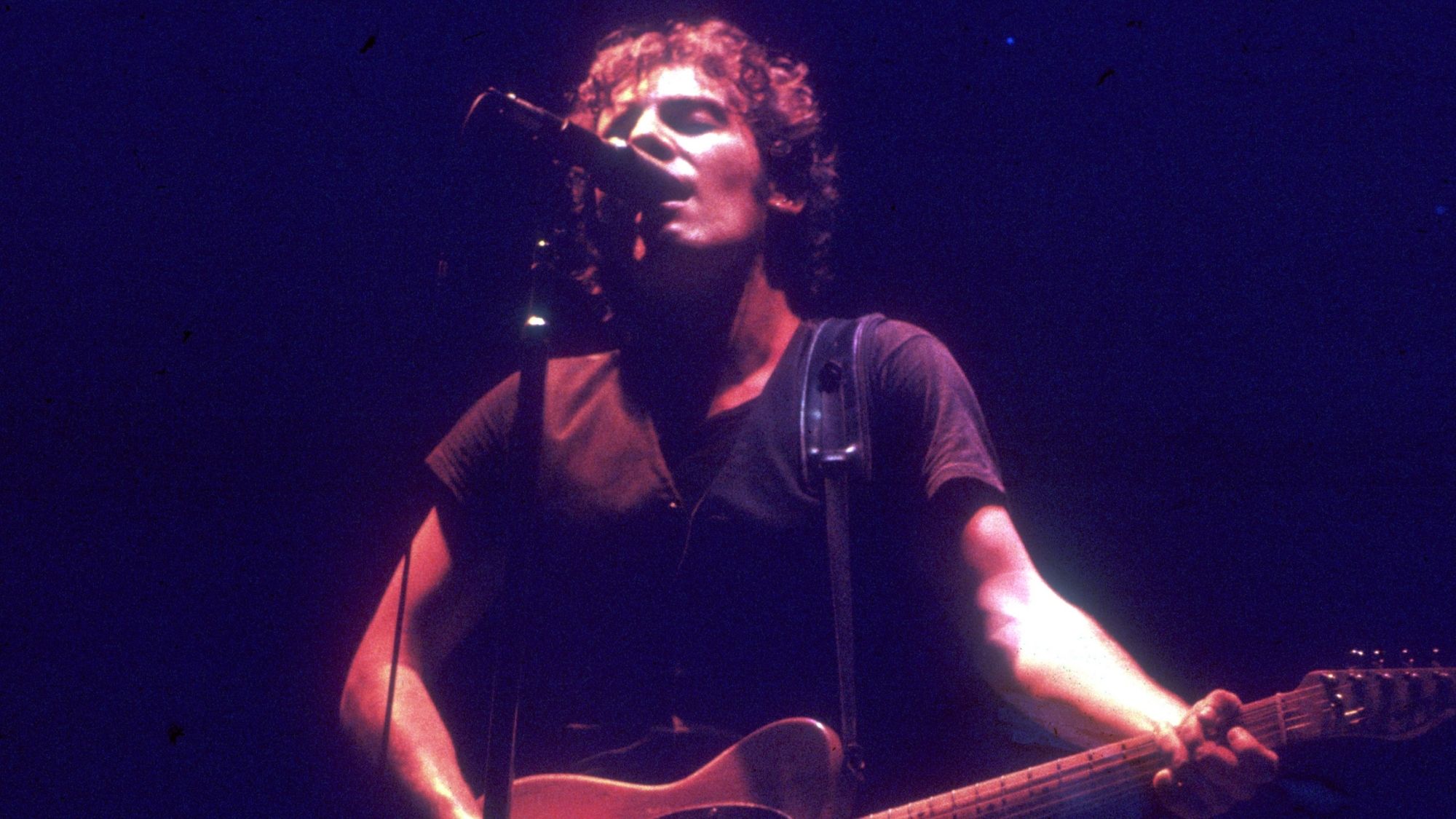
Roy Orbison tried to recreate his success from the early 1960s in the years that followed, but that particular style of rock ‘n’ roll wasn’t as fashionable as it once was. Countless artists covered his material with great success during this time, including Emmylou Harris, Linda Ronstadt, and Bruce Springsteen. But Orbison’s place at the table of superstars had already been cleared, so to speak. That is, until he began collaborating with Electric Light Orchestra’s Jeff Lynne. From there, Orbison joined a supergroup composed of Lynne, Bob Dylan, George Harrison, and Tom Petty under the name Traveling Wilburys.
The supergroup released their first album in October 1988. For a group of bona fide superstars, the world was essentially their oyster. But tragically, Orbison wouldn’t live to see his star rise again. He died two months after the release of Traveling Wilburys Vol. 1 from a heart attack. As heartbreaking as it was to imagine Orbison finally getting another chance at the spotlight just to have it taken from him at only 52 years old, bandmate Petty said seeing Orbison regain his confidence was remarkable.
“When we started Mystery Girl, he was letting [Mike] Campbell and T-Bone [Burnett] run everything,” Petty told Spin in 1989. Mystery Girl wasn’t a Traveling Wilburys project, but it was co-written by two of his bandmates, Petty and Lynne. “By the time they finished, there was a huge change in Roy. He started coming in and really taking charge of the sessions, and we were really pleased to see him get his confidence back. I wish he could’ve seen the success of that album. You know, when someone dies, you always hear nice things about them, but Roy really was that way, a very special person.”
Photo by David Redfern/Redferns



Leave a Reply
Only members can comment. Become a member. Already a member? Log in.