Your cart is currently empty!



The Self-Deprecating Beatles Album They Dubbed Their “Pot Album” Did More Than Highlight a New Habit
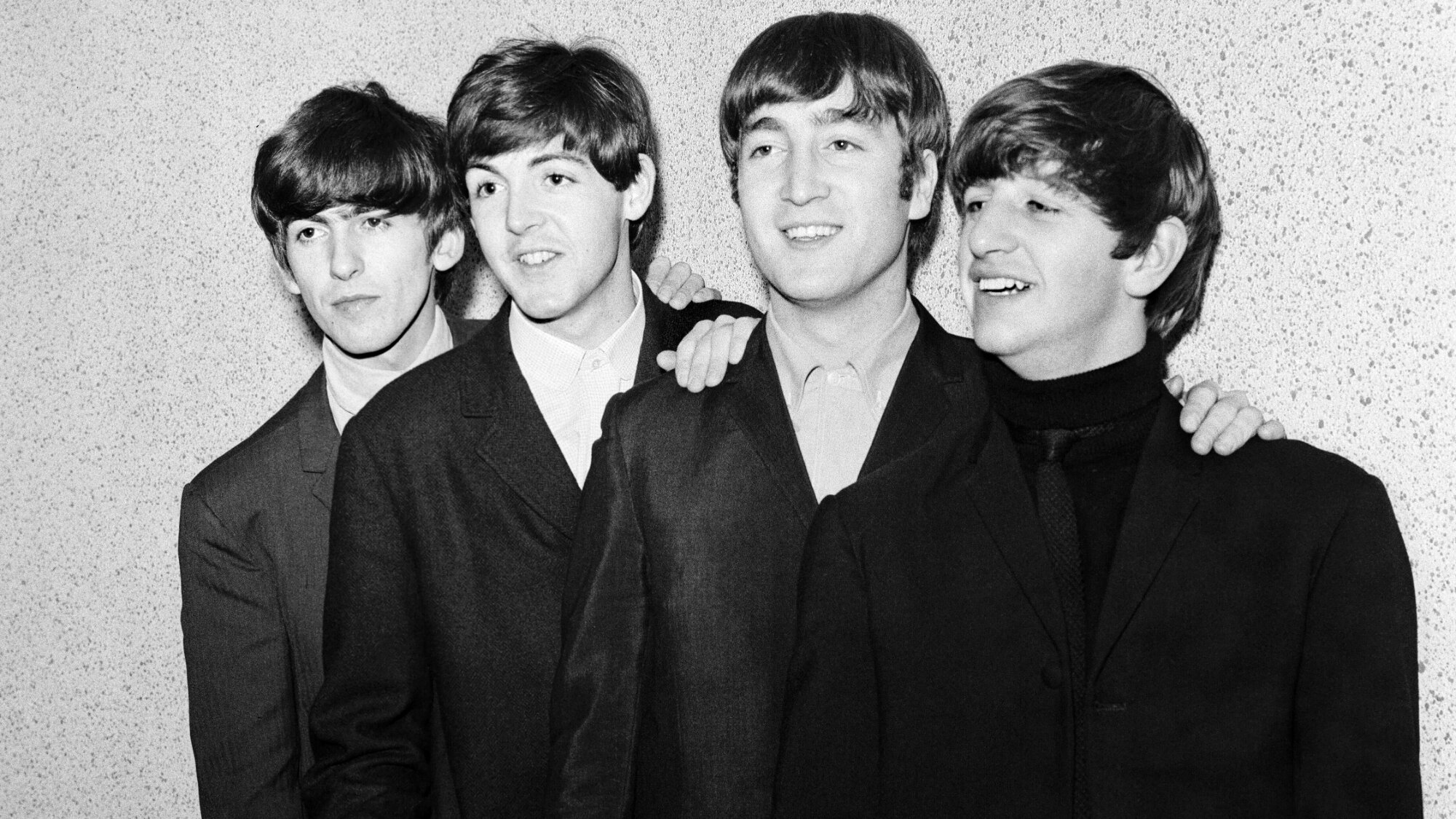
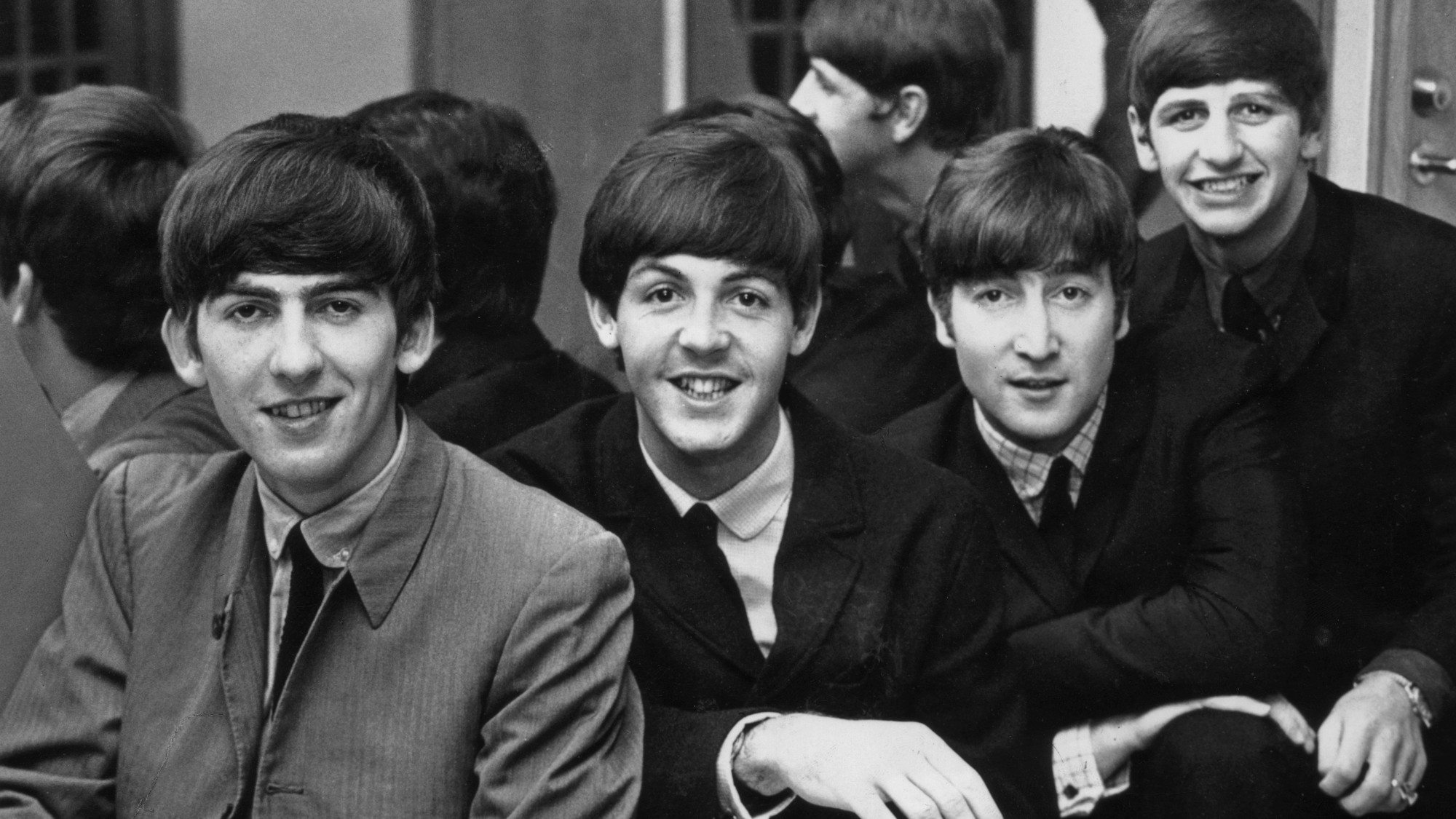
Times were a-changing rapidly in the mid-1960s, sweeping everyone—including superstars like The Beatles—up in a tidal wave of change, experimentation, and idealism. These societal shifts inevitably seeped into the Fab Four’s work, producing what they would later dub their “pot album” (per Mojo) due to its creation coinciding with their heavier marijuana usage: Rubber Soul.
Videos by American Songwriter
Indeed, tracks like “Norwegian Wood (This Bird Has Flown)” and “Think for Yourself” marked a transformation not only in the band’s arrangement and instrumentation but also in the songwriting itself. The Beatles didn’t need to prove anything to anybody in the mid-60s. As John Lennon said to concerns about the length of “Hey Jude”, the band had the luxury of staying on the radio and keeping their fans no matter what they put out.
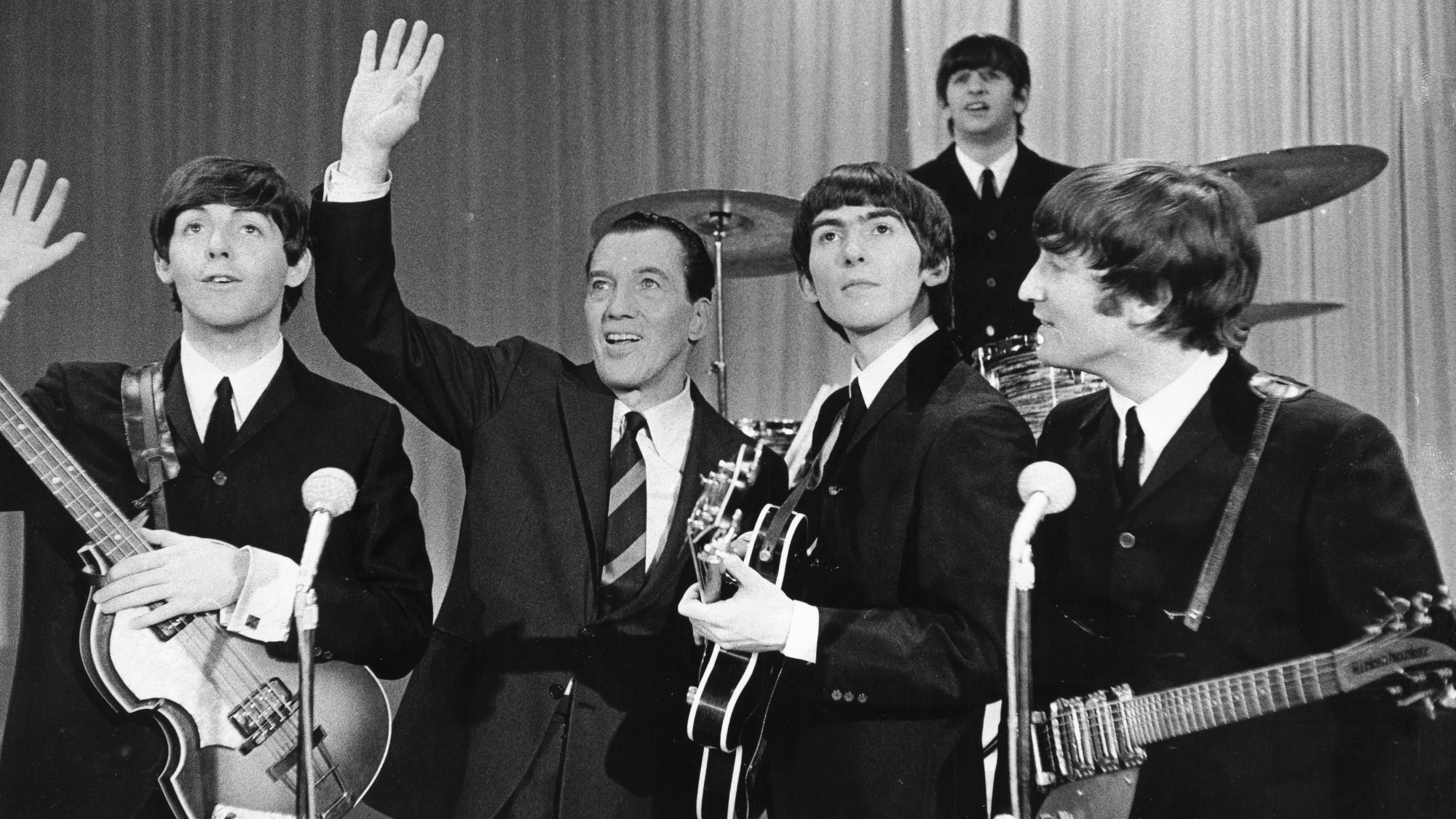
Thus, The Beatles felt more comfortable branching out into new musical areas that might have been too risky (or technically demanding) in their earliest teeny bopper days.
‘Rubber Soul’ Marked the Beginning of a New Era
For as short-lived a career as The Beatles had, they seemed to have existed in several different incarnations over their ten-or-so years playing music together. From Liverpudlian basement shows to racing ahead of a throng of screaming fans to the surrealistic shifts in the late 1960s, The Beatles were constantly evolving, and there was perhaps no greater metamorphosis than the 1965 release of Rubber Soul.
John Lennon called the shift “contemporary” in Anthology, and it certainly reflected the times. If the early Beatles is what you listened to in high school, then late-era Beatles were what you listened to passing around a joint at a college party full of socially conscious beatniks.
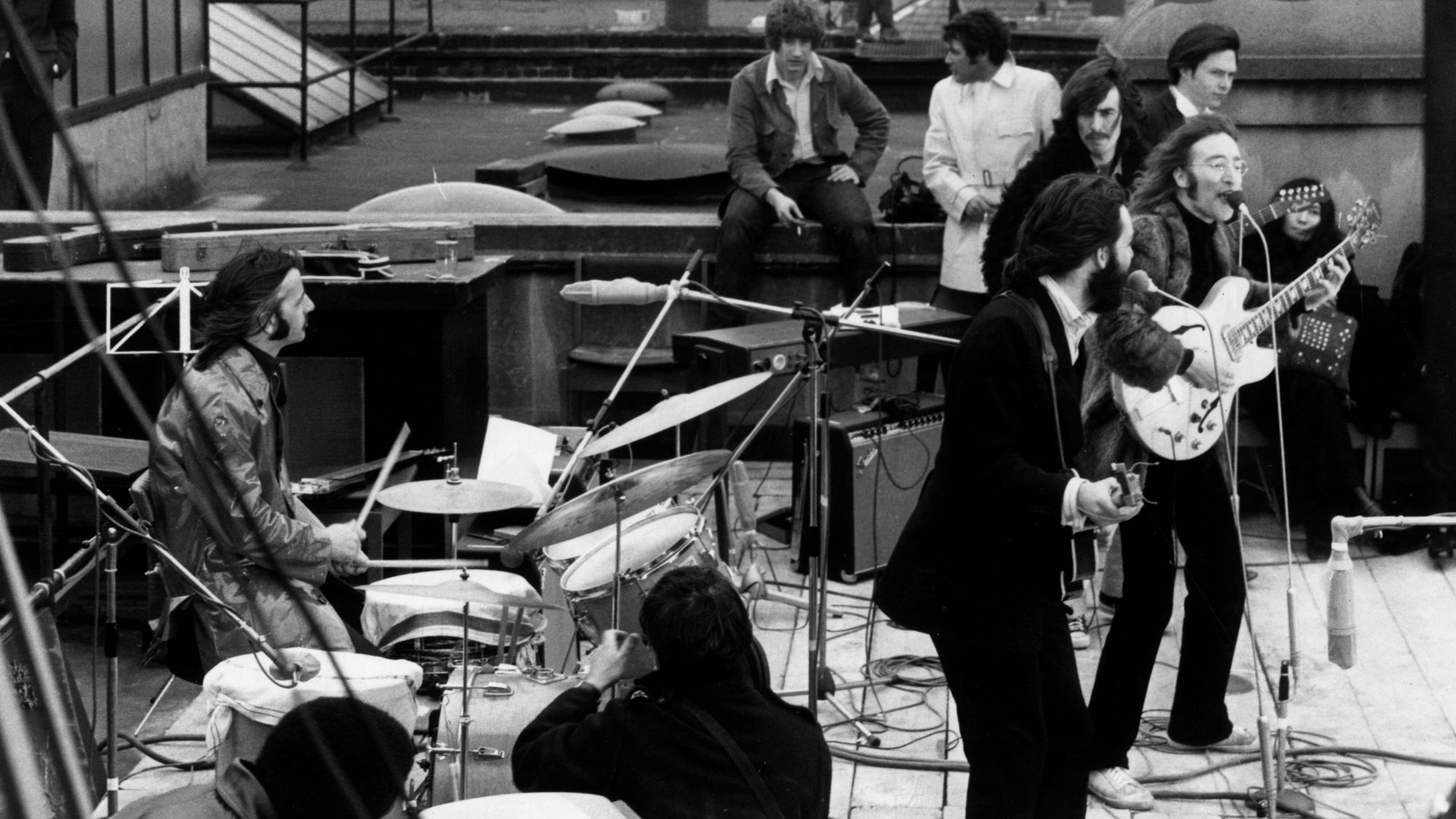
Rubber Soul also marked the band’s shifting interest in studio work over touring. The arduousness of life on the road was taking its toll on The Beatles. Their final show before the iconic rooftop concert at Apple Corps headquarters in London took place at Candlestick Park in San Francisco on August 29, 1966. The Beatles’ final performance came three weeks after the release of Revolver on August 5.
The Beatles Added in a Bit of Ironic Self-Deprecation
Ironically, given how Rubber Soul marked a distinct maturation for The Beatles, the album title itself is a somewhat self-deprecating joke built off a story about Mick Jagger and an old blues cat from the States. “I’ve heard some out-takes of us doing ‘I’m Down’, and at the front of it, I’m chatting on about Mick,” Paul McCartney said in Anthology. “I’m saying how I’d just read about an old bloke in the States who said, ‘Mick Jagger, man. Well, you know they’re good. But it’s plastic soul.’ So ‘plastic soul’ was the germ of the Rubber Soul idea.
“Things were changing,” McCartney continued. “The direction was moving away from the poppy stuff like ‘Thank You Girl’, ‘From Me To You’, and ‘She Loves You’. The early material was directly relating to our fans, saying, ‘Please buy this record.’ But now we’d come to a point where we thought, ‘We’ve done that. Now we can branch out into songs that are more surreal, a little more entertaining.’ Other people were starting to arrive on the scene who were influential. Dylan was influencing us quite heavily at that point.”
History would say so. It was Dylan, after all, who famously introduced The Beatles to marijuana, thereby ushering in their upcoming “Pot Album.”
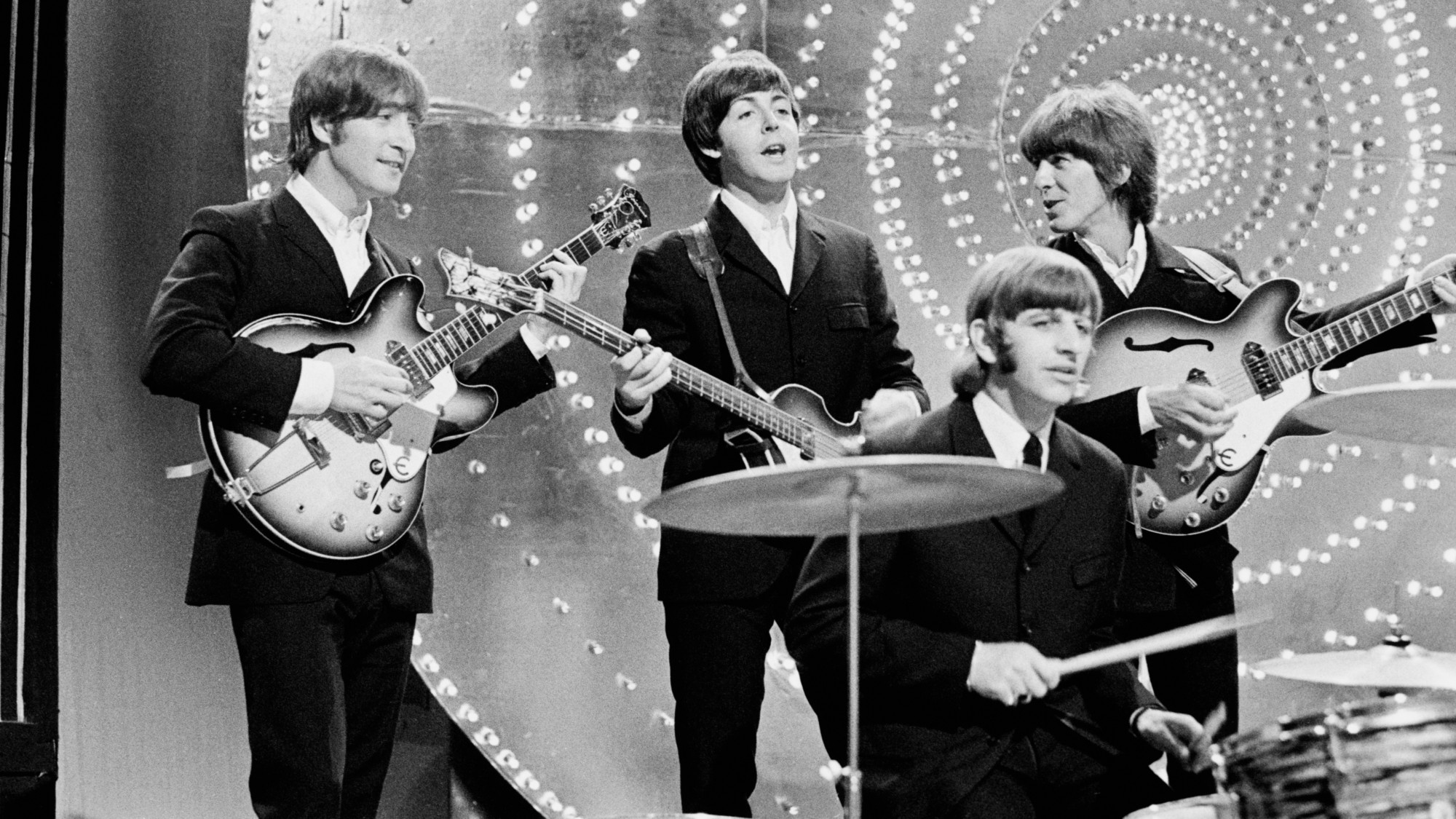
Photo by REPORTERS ASSOCIES/Gamma-Rapho via Getty Images

Leave a Reply
Only members can comment. Become a member. Already a member? Log in.