Your cart is currently empty!



Sweet Undertow Navigates Transient Love on “Step Lightly,” Shakes Off Depression on Upcoming Album ‘Days Without Names’
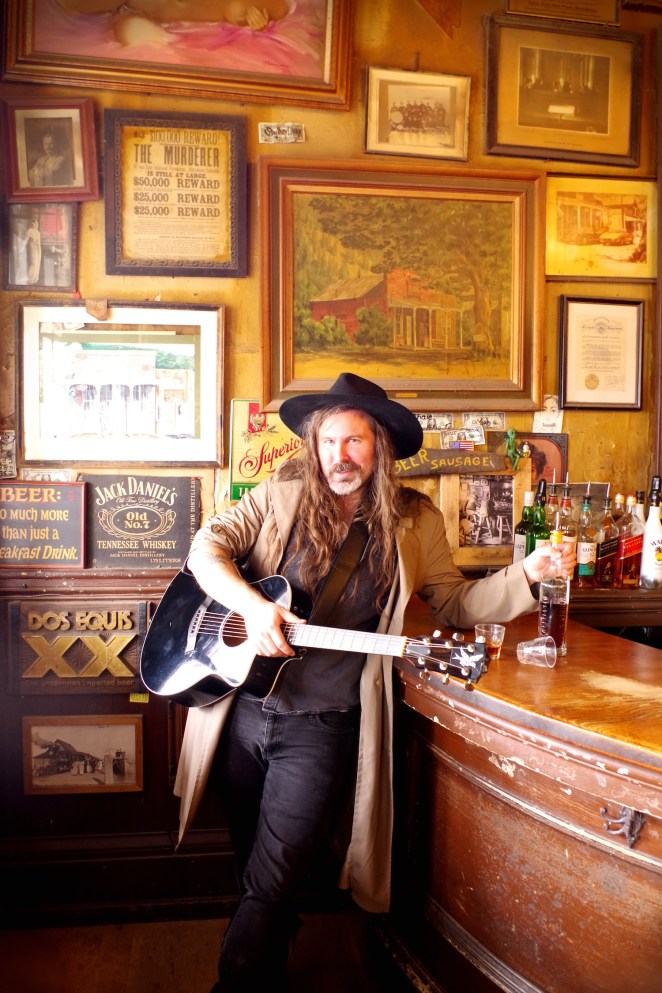
It was a drunken night when Eddy Undertow found himself staring outside a window as a rainstorm whipped the pine trees along the Sierra Nevada Mountains. Then, Undertow started thinking about Lake Tahoe and how it can transform into a mirror, reflecting the surrounding mountains, before he noticed his own reflection in his window.
The moment prompted him to grab his guitar, a pen, and paper, and start writing “Step Lightly,” from his upcoming album Days Without Names, as Sweet Undertow.
“I thought about love, and how it creates these moments of crescendo in a life and how hard it is to find, because mostly when a person takes their heart out of their chest and lays it at another’s feet, the other person just stomps on it, never even noticing it was there,” says Undertow. “So I thought it might be better if we all tried to step lightly, because we’re probably dancing on people’s hearts more often than we realize.”
Better to never love than to love and lose / If losin’ means losin’ you sings Undertow on the rustic ballad, contemplating a fleeting moment, lover. Undertow sat with the song for some time before recording, playing it for friends—some as distant as France—and picked apart live during smaller gigs. Along with the 2025 single “Country Blues,” Undertow says “Step Lightly” is one of the lonelier songs he’s written since Sweet Undertow’s 2022 debut, Skeletone Machine.
“They tell more stories,” Undertow says. “With ‘Skeletone Machine,’ I was trying to fight the world with my electric guitar, and I was spending more time painting with lyrics rather than thinking about narrative and character.”
The songs on Days Without Names were also more spontaneous for Undertow than Skeletone Machine. “There was never any conscious decision to sit down and write any of these songs; they just started sprouting from some random seed,” he says. “I’d say something and the turn of phrase would stick with me, or I’d see a billboard and have a strange feeling about it.”
Videos by American Songwriter
Though written during a darker time in Undertow’s life, some songs on Days Without Names came out of more humor, so he went with the comedy-as-tragedy lyrics. “Country Blues” was one of those songs that tells the story of a person depressed after losing their “community,” and laughs at their “grandiosity,” and “self-seriousness,” he says.
“I often found myself laughing at myself, and when I started asking why, I discovered that there’s something secretly deeply funny about depression,” says Undertow. “I’ve been writing songs that circle what it might be. I suspect the comedians have long known this.”
The songs on Days Without Names evolved into more existential stories, exploring the contribution, or point of, humanity, with Undertow citing the “Question of Suicide,” an academic study during the 1950s studying what was steadily becoming a larger public health crisis.
“What I discovered is that even if humanity doesn’t matter at the cosmic or atomic scales, it really does matter how we treat each other as individuals,” says Undertow. “We matter to each other on a human scale—our emotions are real, and meaning is an emergent property that doesn’t require Zeus or Jesus or anyone else to bestow it from outside. That meaning dissipates with scale, like how a scream sounds faint from far away, but the scream is still real. These new songs look at people who are trying to live and find joy and meaning in a world that’s spinning in an endless abyss.”
He adds, “Put another way: if God did or did not exist, would that have even the slightest effect on how much a broken heart hurts?”
Alongside Undertow’s instinctive stories, there’s also an anecdote behind the instrumentation and arrangements on Days Without Names. Written mostly on a 1957 Gibson C1 called Darlene, Undertow found in a dumpster on New Year’s Day 2010, the songs started evolving into something steeped in “American tradition,” he says. Lucinda Williams’ guitarist Doug Pettibone joined the band for several songs on pedal steel and dobro, and some arrangements feature a pump organ, once owned by an itinerant preacher during the 1800s.
“These are still modern tunes, but real people are playing these songs on real instruments,” says Undertow. “We made this record with our hands.”
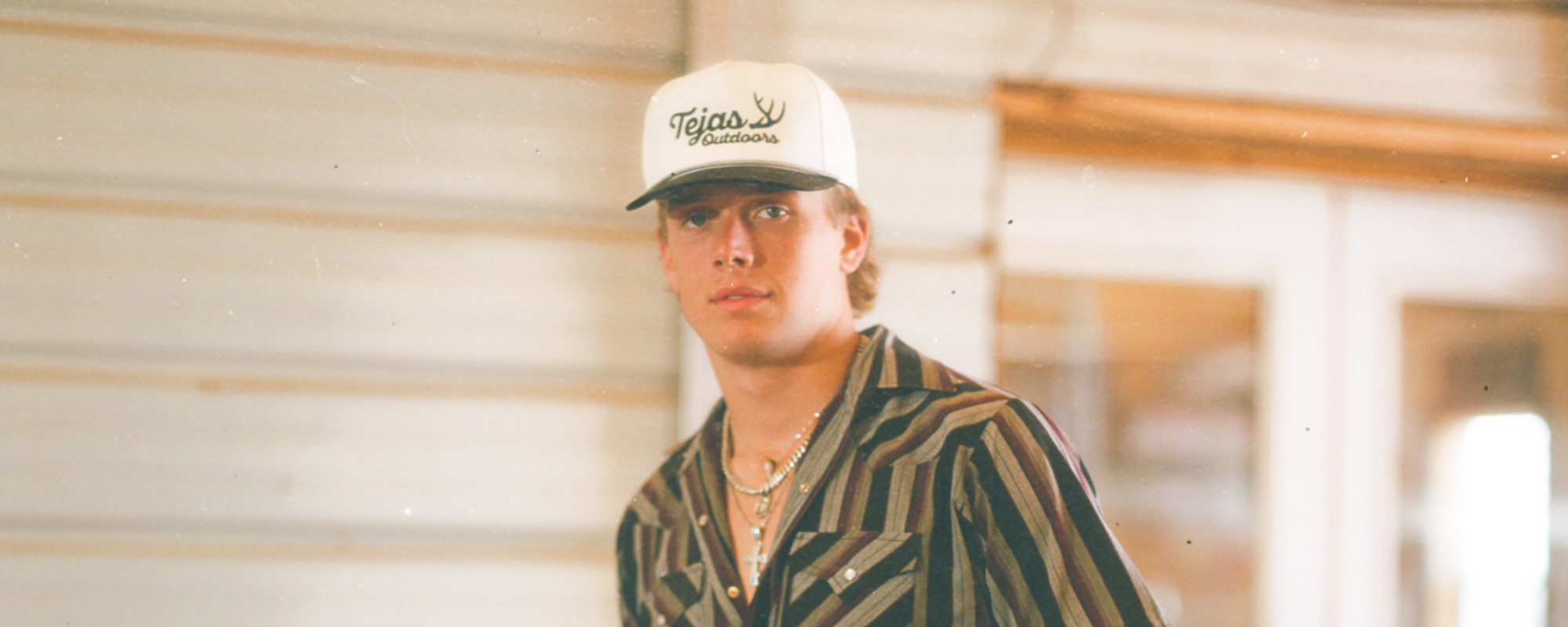
Main Photo: Anthony Sabino



Leave a Reply
Only members can comment. Become a member. Already a member? Log in.