Your cart is currently empty!



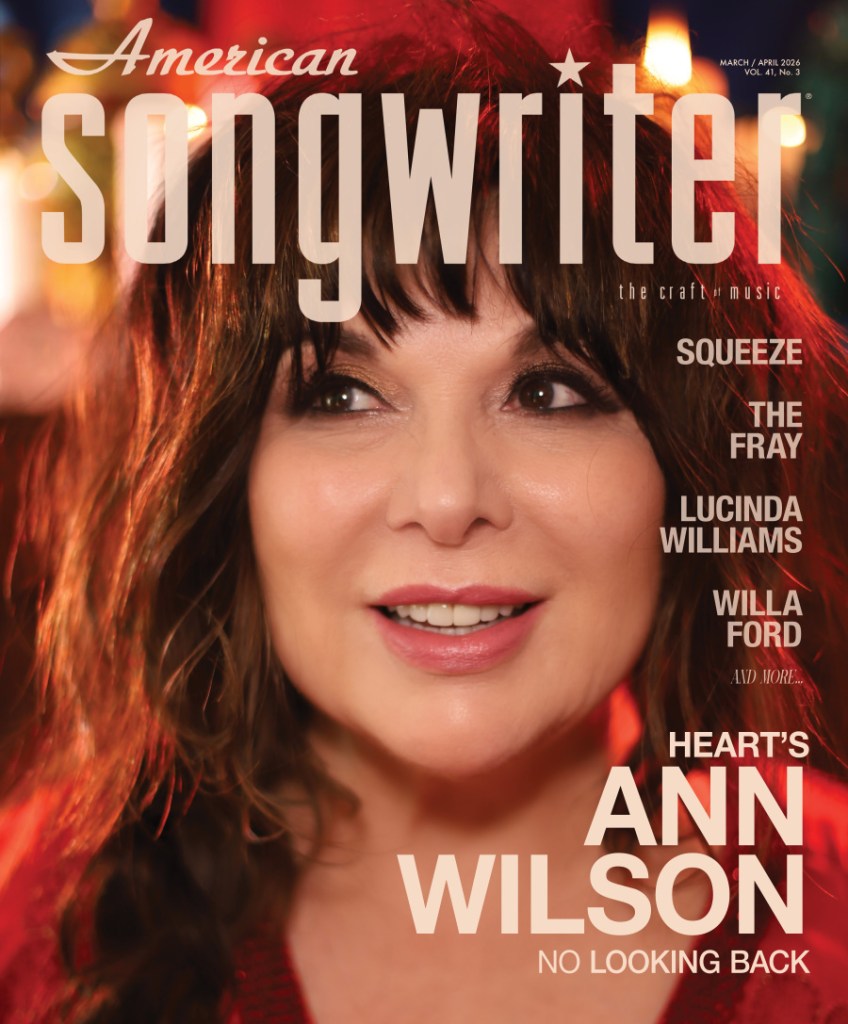
American Songwriter’s March/April 2026 Cover Story: Heart’s Ann Wilson Reflects on Change, Creative Freedom, and Why Standing Still Has Never Been an Option
These days, Ann Wilson remains in motion—but maybe not exactly in the way people expect.
Videos by American Songwriter
The day she sits down with American Songwriter, it’s a cold evening in Nashville, where the Rock & Roll Hall of Fame member has lived for the past year and a half. Wilson completed over a hundred live shows in 2025, and, at the time of our conversation, had more nights on the road with Heart on the near horizon.
She says that, from a creative perspective, Nashville is the most interesting city she’s ever lived in. She sees the region, which has spent most of the last decade as one of the fastest-growing metro areas in the U.S., pushing at some of its long-established seams and spilling into something wholly new.
“It’s a really interesting combination of different kinds of art,” she says. “It’s no longer just the country music capital of the world. There’s rock, there’s painting, there’s avant-garde, there’s jazz, all in this big, interesting mix. You come into this place, and the first people you meet are creative people.”
For many—Wilson included—it’s compelling to see the way Nashville has doubled down on its long-standing blue-bubble identity, especially as those edges continue to expand. “In the political world, Tennessee is struggling now to be reborn,” she says. “It’s pushing beyond being a super right-wing, red state. It’s trying to open up its values, and that’s really exciting to be around.”
Wilson continues to perform with Heart and create new music with her longtime backing band, Tripsitter. She’s also finishing a documentary and keeping an eye out for the latest draft of a highly anticipated biopic, all amounting to proof that she isn’t relying on nostalgia. She’s in a chapter of glory days of her own.
With a new home base established, she says that touring feels more exciting than ever. The vocalist feels a difference with recent audiences, especially as she’s toured more with Tripsitter. “If people want to come hear us play and hear me sing, then that’s what they’re going to get,” she says. “And the last time we went out touring with Tripsitter, it worked really well.
[RELATED: Sisters of Rock: How Heart Defined a Legacy and Inspired Generations]
“We were playing theaters and tertiary places to get people used to listening to us. I see playing with Tripsitter sort of like the Robert Plant and the Space Shifters idea, where you don’t cut yourself off from the big original band, which in my case is Heart, but you declare some independence from it.”
She met the members of Tripsitter in Muscle Shoals, Alabama, nearly five years ago, and the chemistry was instant. The band is composed primarily of Nashville session players, musicians many artists would call the essential cogs in the ever-moving machine that keeps the lights on in Music City. But life as a session player can be grueling.
“They wanted to have their own band where they could decide what they were going to play, where they were going to perform, and not just be hirelings,” Wilson says. “So that’s what we’ve done: just created a band.”
The motivation was simple—and for Ann Wilson, maybe that’s always been the case.
When asked if she and her sister, Nancy, set out to deliberately break barriers at a time when hard rock bands simply weren’t fronted by women, she describes a much more organic process. The sisters loved performing and creating music together—and that was what they chased, not the specific recognition of being women in such a male-dominated space. That part happened all on its own.
“I don’t think we were that conscious of it; that idea came to us from other people,” she says. “I think Nancy and I just played guitars together and wanted to do cooler and cooler songs. So our emphasis and our push were really about being able to do the songs we wanted to do—and do them great.”
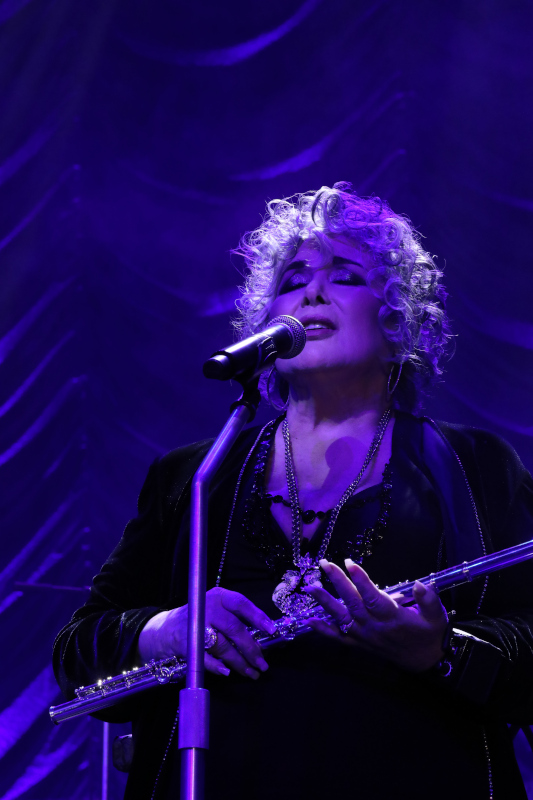
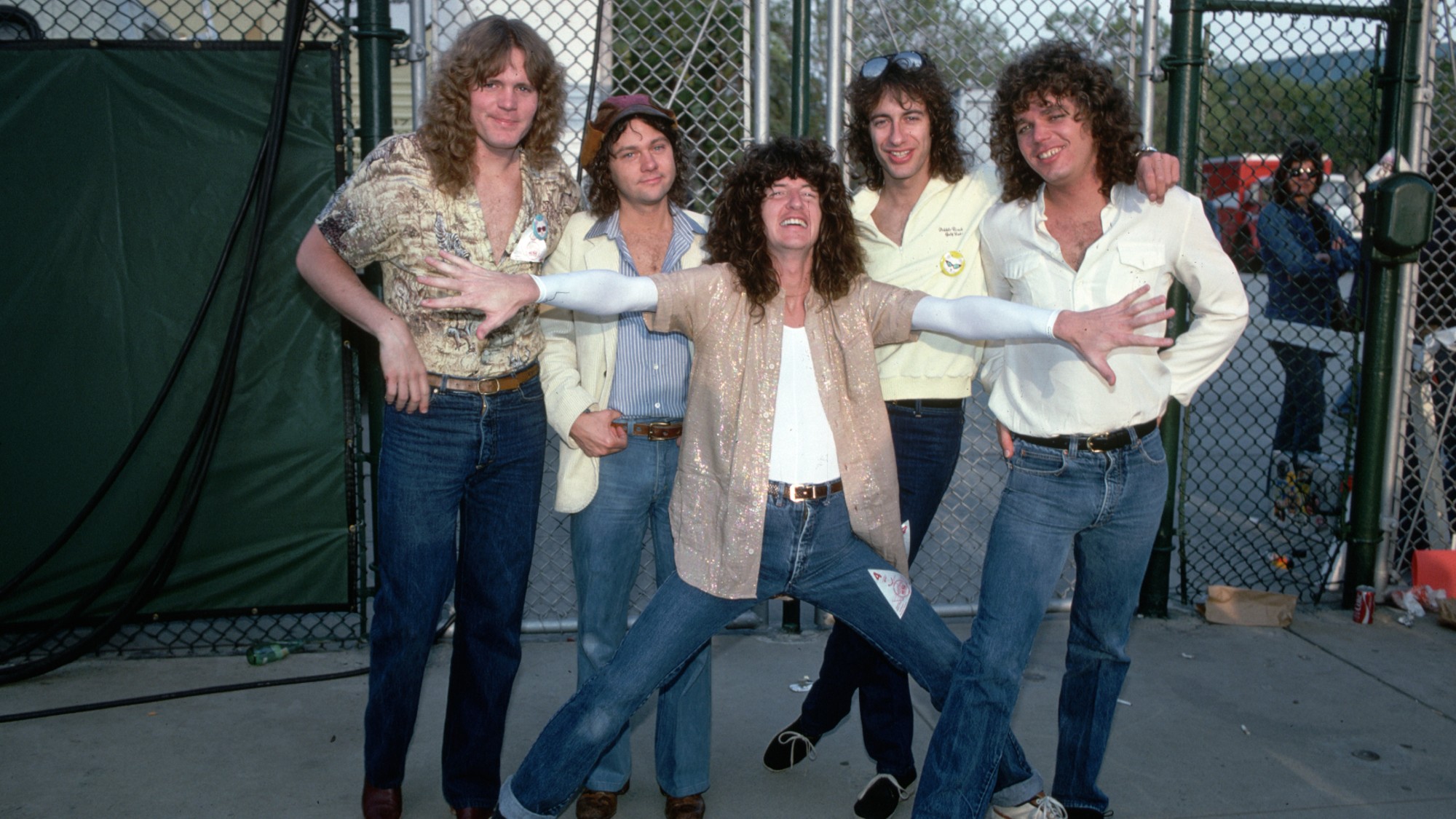
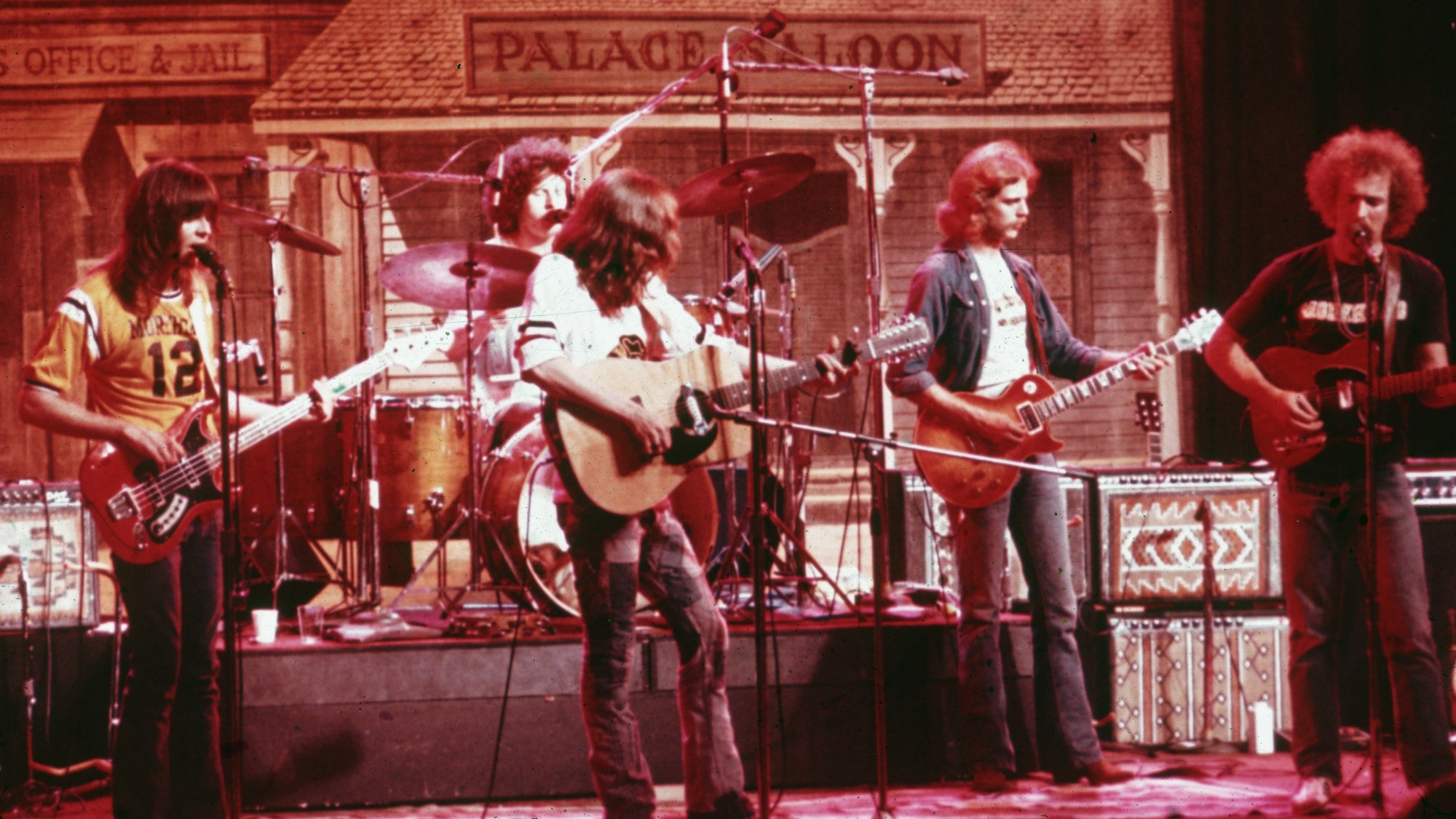
That driving force was their foundation, and it was when Ann and Nancy Wilson joined forces with Steve Fossen, Roger Fisher, Mike DeRosier, and Howard Leese to create the original lineup of Heart that the records really began to sell.
“People started to write about us and say, ‘Wow, the first women to front a rock band,’” she says with a smile in her voice. She recalls being positioned as a foil to bands like Fleetwood Mac in a time when the music landscape was sharply divided. Fans were expected to choose between rock, disco, and the songwriters dotting the hills of Laurel Canyon, and Fleetwood Mac tended toward the latter.
“So Heart got put on the other side, and people talked about it as if we were kicking the door open for generations of women to come,” she says. “That was interesting, because we never felt that self-conscious about it.”
Her many eras of creative output have led her to this present moment, one in which the diverse types of music she’s created throughout her career all feed what she’s making today.
“I don’t have to worry about whether I can do it; I just have to come up with more original ideas,” she says. “That’s the hard part—coming up with something that hasn’t been done, especially by yourself, when your career is this long. It’s been really great to have been in Seattle, to have worked in L.A., to have worked in New York, and to have met so many different musicians, players, and artists.”
[RELATED: Heart Never Intended for a ‘Women in Rock’ Legacy, Were Surprised To Be “Singled Out”]
Wilson has never seen her musical career as a solitary thing, which is perhaps part of the reason she has maintained her energy, focus, and excitement about what’s next. She describes herself as fortunate to have met the people she has along her journey.
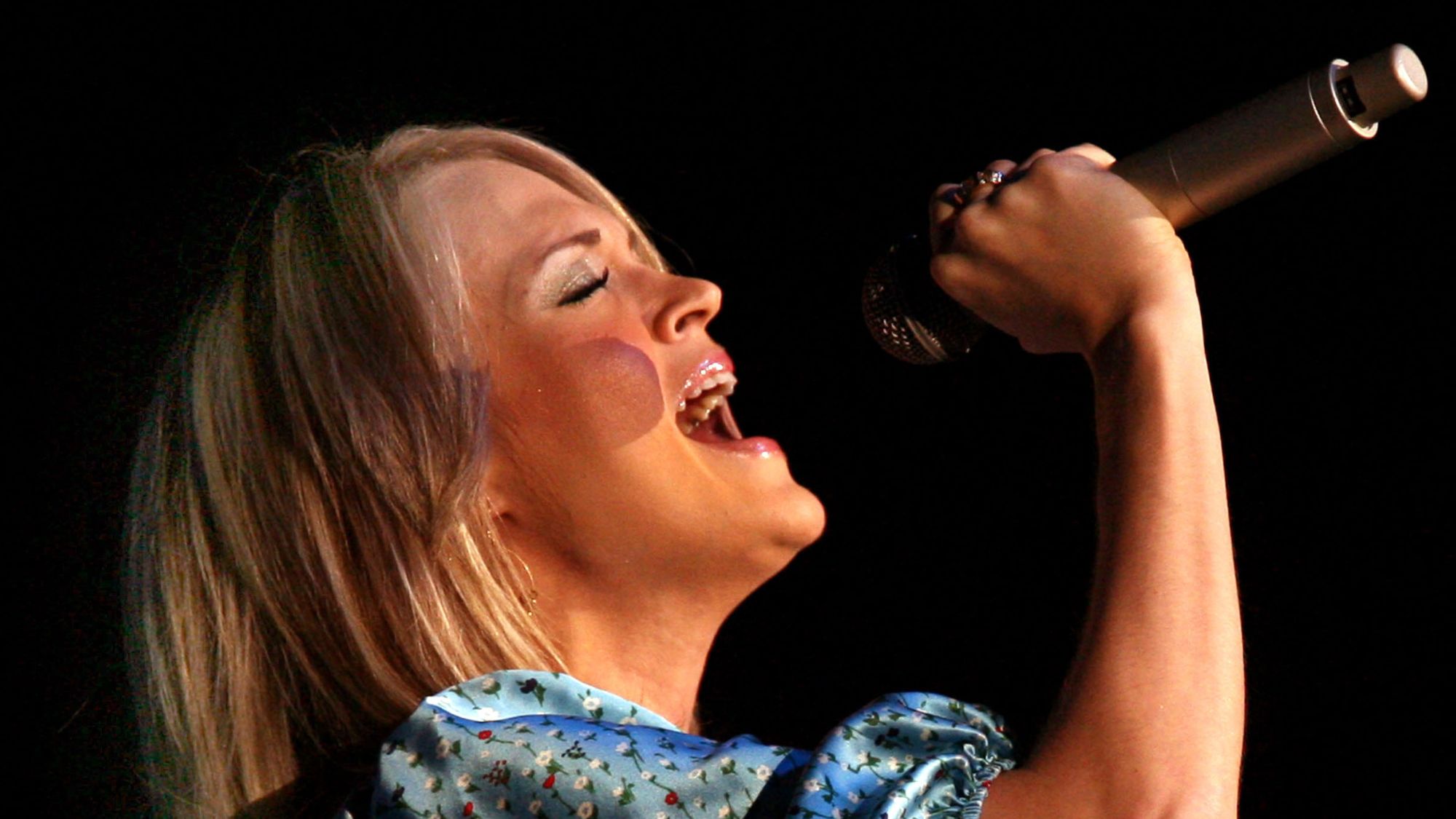
And the work clearly continues to resonate. In recent years, she’s performed “Barracuda” with Chappell Roan and a string of Heart hits with Kelly Clarkson, alongside Nancy. There’s a gratification that comes with the recognition of the more beloved songs, particularly ones with lyrics that feel strikingly relevant today, like “Crazy On You,” of which she says, “If only we knew then what we know now.”
When asked what gives her hope in the current moment, her answer is immediate: the resistance she’s seeing, both across the country and around the world. “We have an administration that wants to meet resistance with more fire,” she says. “They don’t listen; they just want to fight, dominate, and control.” Still, she finds optimism in the resilience of the human spirit, specifically mentioning witnessing the people of Minneapolis organize, turning fear and frustration into determination and confidence.
Much of Heart’s discography, perhaps frustratingly, still resonates decades later in so many ways. Even so, Wilson takes pride in seeing younger musicians embrace tracks born from the turbulence of the 1970s, noting how complex and richly arranged they are.
More recently, a song fell out of the sky and landed with her. She was sitting at the table in the studio with her notebook when the members of Tripsitter were riffing, and one hook stuck in her brain, and began to tell a story. “The musical phrase they were playing just seemed to suggest, ‘I will not be coming back,’ so I ran from there,” she says.
It became the title for her 2026 release, ”‘I Will Not Be Coming Back.” Her songwriting process for this specific piece was deeply visual. When talking about the process of penning the song, she describes a path on the side of a mountain, one too narrow to turn around or falter. The track captures the feeling of a stage of life of forward momentum, where it’s impossible to return to the source—but the result reads more as resolute than despairing.
She still gets a buzz from creating and releasing her work, and continuing shows both with Tripsitter and Heart have amplified the joy of sharing something new. “The thing is, the longer you’re doing this, the more people say things like, ‘I love you guys—especially your early work,’” she says. “And you’re like, ‘Well, what about what I’m doing now? Is it chopped liver?’”
Throughout these new musical avenues and creative adventures, Wilson’s work remains deeply tied to one specific partnership: the sisterhood that has defined much of her life. She acknowledges that the concept of maintaining a working relationship with a sibling that spans more than 50 years is a difficult concept for many to wrap their heads around.
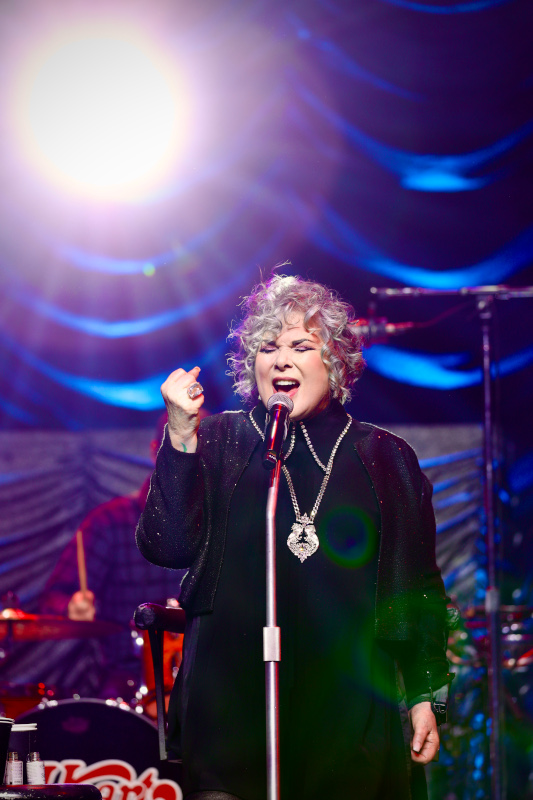
“For us, it’s not much of a stretch,” she says. “We’ve been each other’s soulmates since childhood, and it just seems as natural as pie to work with her. She’s a great acoustic guitar player, and I have seldom met anyone as talented on acoustic who’s also original.”
Laughing, she says they used to describe Nancy’s hands as beaters—“small, but strong”—and acknowledges the creative magnetism that always brings them back together, through every season.
“We have our little falling-out periods every now and then, but we work them out,” she says. “Deep down underneath the problems, there’s always this strong love that will never dim. That’s what allows us to be flexible and elastic enough to go through hard times and then snap back together. We finish each other’s sentences musically. I’m inspired by the way she plays. Being on stage with her is really something special. She could do it in her own right, but when the two of us get together, it’s powerful.”
Audiences who continue to show up to Heart shows can confirm that power—but it’s not just the longtime fans or new audiences. Ann Wilson herself thinks Heart is the best they’ve ever been.
“The band just has a much higher musical level,” she says. “The players are excellent and solid—no one’s up there making mistakes or showboating. They’re really just there to play, and they enjoy playing even the most complicated stuff. I think the band is particularly strong right now.”
It’s remarkably easy for many artists, especially those with a career as prolific as the members of Heart, to be caught up in the idea of legacy. At the end of the day, though, Wilson treasures the feeling of sitting down next to someone—or standing in front of an audience—and revealing something she’s excited about.
“That’s almost better than hearing it by yourself—to turn somebody else on to it and have them really love it,” she says. “That’s the little secret that lives deep down in your soul when you’re writing a song. You just really want people to like it. But I’m not talking about sales. I’m talking about sitting on your couch with you, listening to your song, and just digging the hell out of it.”
That’s the crux of it. Through the noise that accompanies live shows, lengthy tours, thoughtful album releases, and interviews just like this one, the music has remained the thing that matters most. That clarity seems to come with a sense of peace.
“If the songs speak loudly enough to be heard through the ages, then the songs will do that. They’re not going to remember me. They’re going to remember the song—what we said, rather than what we looked like when we were 27 or 77 or whatever. That’s all dust. The real legacy is in the music.”
Cover photo by Chris Cain
Leave a Reply
Only members can comment. Become a member. Already a member? Log in.