On this day (July 7) in 1927, Charles Loudermilk was born in Section, Alabama. History remembers him as Charlie Louvin. He and his older brother, Ira, formed the Louvin Brothers when they were teenagers. Their tight vocal harmonies–referred to as blood harmony– influenced future generations of country and country rock singers. After Ira died in the mid-1960s, his brother carried on, becoming an elder statesman of the Grand Ole Opry.
Louvin grew up on a cotton farm. When he and his older brother were still too young to work the fields, they helped their mother do housework. While they worked, she taught them to sing traditional English ballads. However, the boys weren’t just learning to sing. They were learning to sing together.
Videos by American Songwriter
Soon, Mrs. Louvin had the boys sing for their father, who was impressed by their talent. According to podcaster and genre historian Tyler Mahan Coe, the Louvin patriarch eventually convinced the shy youngsters to sing for visitors who came over for the family’s regular jam sessions. Initially, they hid under the bed to sing. Then, as their confidence grew, their father would have them sing for strangers when they were out in public. They continued honing their vocal skills for years.
Charlie and Ira Louvin Go Pro
Charlie and Ira Louvin’s professional career began when they were teens. They traveled to Chattanooga, Tennessee, and performed gospel music on local radio stations. They had to put their act on hold in 1945 when Charlie left to serve in the Army Air Force during World War II. He returned, and they relocated to Memphis, Tennessee. However, they had to press pause again when Charlie left for the Korean War.
As time went on, they found that gospel music wasn’t as profitable as they’d hoped. As a result, they began adding secular music to their repertoire. In 1955, they became official members of the Grand Ole Opry.
They released “When I Stop Dreaming” that year. It reached No. 8 on the country charts. They followed that with “I Don’t Believe You’ve Met My Baby,” which became their sole No. 1. The Louvin Brothers’ other top 10 hits include “You’re Running Wild,” “Hoping That You’re Hoping,” “Cash on the Barrelhead,” and “My Baby’s Gone.” They also recorded the chilling murder ballad “Knoxville Girl.”
While their voices melded perfectly, their lives did not. In 1963, the brothers went their separate ways. Two years later, Ira died in a car accident. His younger brother continued performing until 2010, when his health began to fail.
Per AllMusic, Louvin scored a pair of top 10 hits during his stint as a solo artist. “I Don’t Love You Anymore” went to No. 4 in 1964 and “See the Big Man Cry” went to No. 7 in 1985.
Blood Harmony: The Legacy of the Louvin Brothers
Blood harmony is something that comes from years of closeness. The Louvin Brothers are one of the earliest examples of it in popular music. Coe succinctly describes it as “a term for how freakishly well some close family members are able to sing with each other, especially when they were born around the same time.”
The biological relationship isn’t what made Charlie and Ira Louvin’s harmonies otherworldly, though. It was the fact that they knew one another’s voices like their own. They had been singing together since they learned how to sing.
Their harmonies influenced future generations of singers, especially country rock pioneers like the Byrds, who included the duo’s “The Christian Life” on their landmark 1968 album Sweetheart of the Rodeo. Emmylou Harris took their “If Only I Could Win Your Love” to No. 4 in 1975.
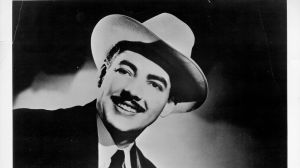
Featured Image by Michael Ochs Archives/Getty Images
-

UNSPECIFIED – CIRCA 1970: Photo of Earl Thomas Conley Photo by Michael Ochs Archives/Getty Images -

UNITED STATES – JANUARY 01: NASHVILLE Photo of Alan JACKSON, Alan Jackson performing on stage (Photo by Beth Gwinn/Redferns) -
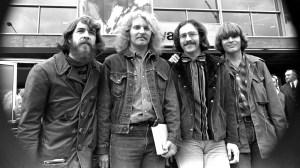
Creedence Clearwater Revival -

NASHVILLE, TN – Musician Jim Ed Norman speaks onstage during the GMA Honors Celebration and Hall of Fame Induction at the Allen Arena at Lipscomb University on April 29, 2014 in Nashville, Tennessee. (Photo by Rick Diamond/Getty Images for GMA) -
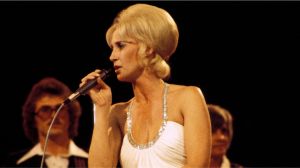
UNITED KINGDOM – WEMBLEY EMPIRE POOL Photo of Tammy WYNETTE, performing live onstage at the Country Music Festival (Photo by Andrew Putler/Redferns) -
UNSPECIFIED – CIRCA 1970: Photo of Stoney Cooper Photo by Michael Ochs Archives/Getty Images