
On this day (December 10) in 1951, Jaun Raoul Davis Rodriguez was born in Sabinal, Texas. However, the world remembers him as Johnny Rodriguez. He was discovered by a pair of country legends who convinced him to leave Texas for Nashville. They mentored Rodriguez, helping him break into the industry. He quickly became the first-ever Hispanic country star.
Videos by American Songwriter
The story of Rodriguez’s career begins with a short stint in jail. He would often sing in his cell to kill time. One day, Texas Ranger Joaquin Jackson heard him singing and was impressed. As a result, he reached out to his friend Happy Shahan, who owned the Alamo Village tourist attraction. Shahan hired Rodriguez and became his manager. He also convinced the young singer to change his name to Johnny Rogers. He used his new name while performing for tourists.
[RELATED: 4 Country Artists From the 1970s Who Disappeared Without a Trace]
According to PBS, country legends Tom T. Hall and Bobby Bare were among the tourists who heard Johnny Rogers perform. They saw the young man’s potential and convinced him to move to Nashville. With his guitar on his back and less than $20 to his name, he chose to take a chance and move.
When he arrived in Nashville, he changed his name once more. Johnny Rogers became Johnny Rodriguez. He became Hall’s lead guitarist and, later, Hall helped him land a recording contract with Mercury Records.
Johnny Rodriguez Takes Nashville by Storm
At just 22 years old, Johnny Rodriguez released his debut single, “Pass Me By (If You’re Only Passing Through).” It went to No. 9 on the Billboard Hot Country Songs chart. His next single, “You Always Come Back (To Hurting Me)” topped the chart. The same would be true for his next two releases, “Ridin’ My Thumb to Mexico” and “That’s the Way Love Goes.” A year later, he released his debut album, Introducing Johnny Rodriguez, which also went to No. 1.
He would go on to release three more No. 1 singles and 13 top 10 hits. He is a member of the Texas Country Music Hall of Fame and a recipient of the Institute of Hispanic Culture’s Pioneer Award.
“I was drawn to country music because I could relate more to what they were singing about. And also, it was just like the music of our people,” Rodriguez said. “In Mexican music, you have stories. Mexican music and country music said almost the same thing, just in different languages.”
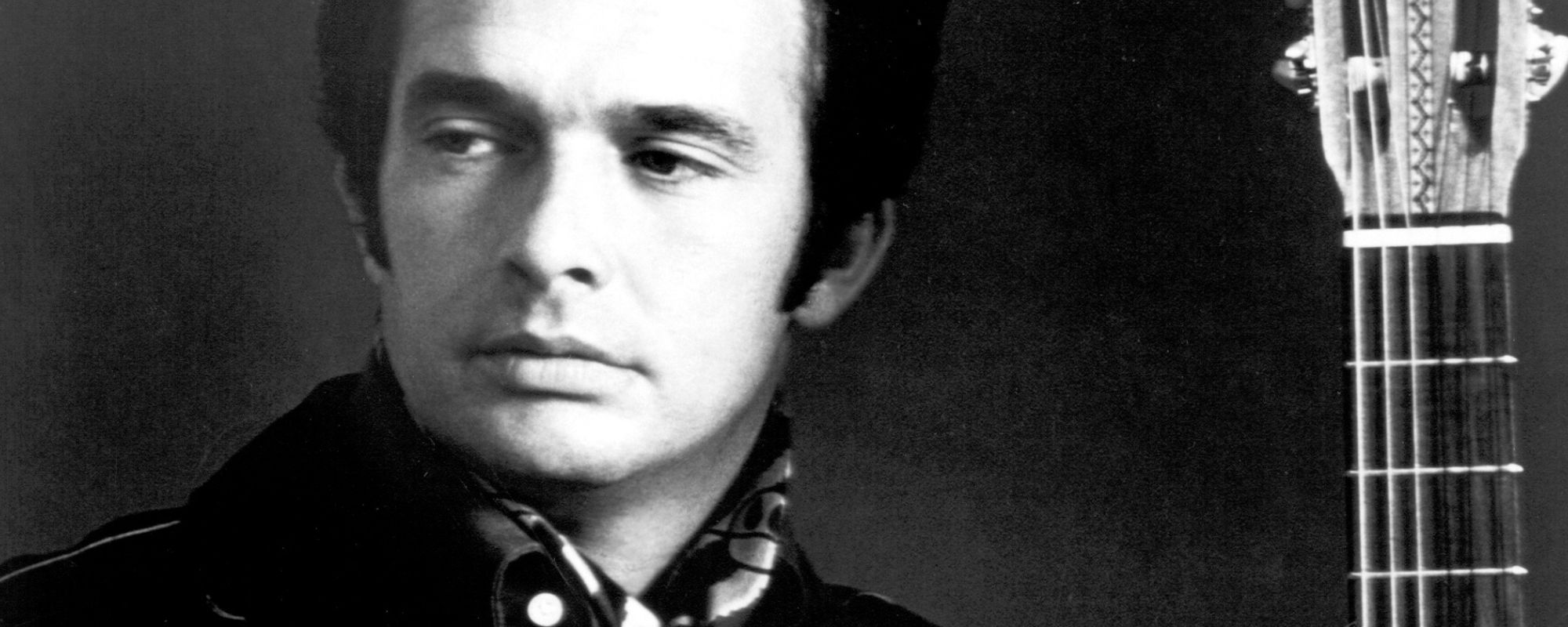
Featured Image by Gems/Redferns




Leave a Reply
Only members can comment. Become a member. Already a member? Log in.