Your cart is currently empty!



From Rhinestones to “I Will Always Love You”: Celebrating Porter Wagoner at 98
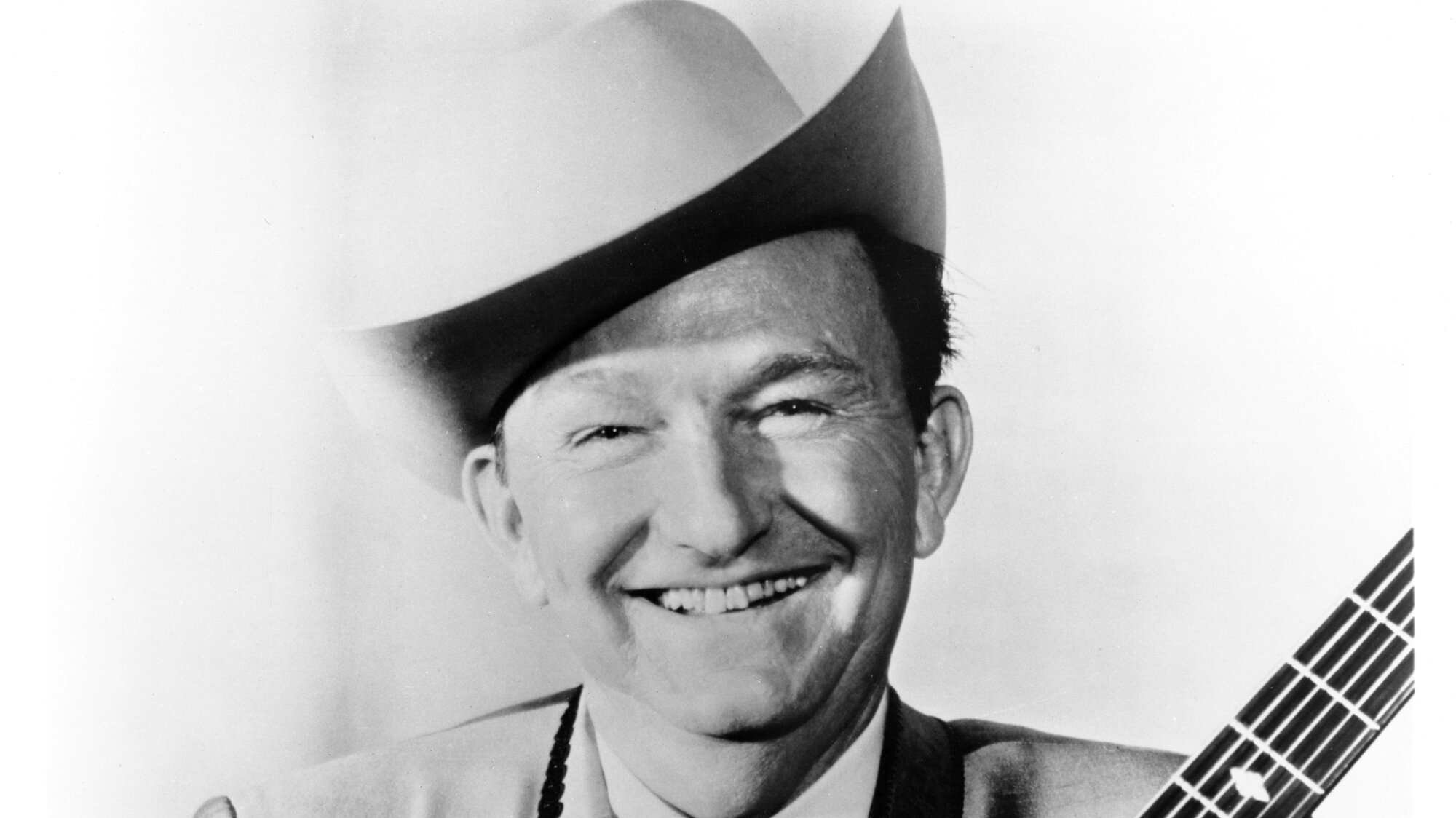
If he were still alive, Porter Wagoner would have turned 98 on August 12—proof that rhinestones never wrinkle and country legends never really fade away.
Wagoner was known for his corny jokes, flashy clothes, and unmistakable white pompadour – and writing lyrics the opposite of his image–simple.
He was Dolly Parton’s longtime collaborator and the inspiration behind her hit “I Will Always Love You.”
Wagoner died on October 28, 2007, of lung cancer. He was 80.
“The loss of Porter is a great loss for the Grand Ole Opry and for country music, and personally, it is a great loss of a friend I was really just getting to know,” Dierks Bentley said. “I feel blessed for the time I had with him.”
The West Plains, Missouri, native had 81 singles on country radio, including 29 Top 10 records. His hits included “Green, Green Grass of Home,” “Skid Row Joe,” and “The Cold Hard Facts of Life.”
Known for detailing the struggle and turmoil of the poor and downtrodden, Wagoner often recited his lyrics to magnify impact.
Videos by American Songwriter
Porter Wagoner Died of Lung Cancer
Lyrics from “Green, Green Grass of Home” include: Down the lane I’d walk with my sweet Mary/ Hair of gold and lips like cherries/It’s good to touch the green green grass of home/ Then I awake and look around me/ At these four gray walls that surround me/ And I realized that I was only dreaming
Wagoner hosted his The Porter Wagoner Show for more than two decades – and used the platform to launch Dolly Parton. It was syndicated in 100 markets and reached 3.5 million viewers a week, introducing many of them to country music. Wagoner and Parton were known for singing country duets. Parton promised Wagoner she’d give him five years on the show. At the seven-year mark, she was ready to leave, but he didn’t let her go without a fight.
“I learned so many things from Porter,” Parton told The Tennessean. “We had one of those relationships where we were just so passionate about what we did; it was like fire and ice. We kind of butted heads all the time, but we loved each other. There was a great passion there.”
Parton noted they were having hit duets, but she still wanted her freedom. She couldn’t make him understand how much she appreciated him or why she wanted to leave. So, she wrote a song about it.
“I went home and I thought, ‘Well, what do you do best? You write songs,’” Parton said. “So I sat down, and I wrote this song.”
Porter Wagoner Inspired Dolly Parton to Write “I Will Always Love You”
She wrote “I Will Always Love You” and played it for Wagoner the next day.
“I started singing, I Will Always Love You,’ and he started crying,” Parton said. “When I finished, he said, ‘Well, Hell! If you feel that strong about it, just go on—providing I get to produce that record because that’s the best song you ever wrote.’”
After making her exit in 1974, the two exchanged lawsuits and countersuits for six years, spawning a slew of salacious headlines. One outlet reported that Wagoner’s wife found him in bed with Parton and shot them both—a rumor Wagoner only half denied to The Tennessean.
“There wasn’t nothing to that,” he said with a wink. “She didn’t even hit Dolly.”
He won three Grammy awards in the 1960s for gospel recordings he made with the Blackwood Brothers Quartet, among the biggest stars of Southern gospel.
Wagoner Made Music to the End
Wagoner was a fixture on the Grand Ole Opry for more than five decades. After Roy Acuff died in 1992, Wagoner became the radio show’s unofficial spokesperson. He was inducted into the Country Music Hall of Fame in 1979—two years before his show ended.
Wagoner continued working, making music and delivering country music to new audiences up to the end of his life. He opened for the White Stripes at Madison Square Garden in 2006. The following year, before he died, he released Wagonmaster, produced by Marty Stuart, to critical acclaim. He also mended his relationship with Parton.
“I was with Porter when he died,” Parton said. “I was with his children and him, a few hours before he passed. I had a chance to be with Porter, and I sang a little bit of ‘I Will Always Love You’ to him on that day as well.”
Proving that Wagoner’s rhinestones still dazzle nearly two decades after his death, he’s a prominent character in Parton’s new music “Dolly: An Original Musical,” which is in production in Nashville through the end of August.
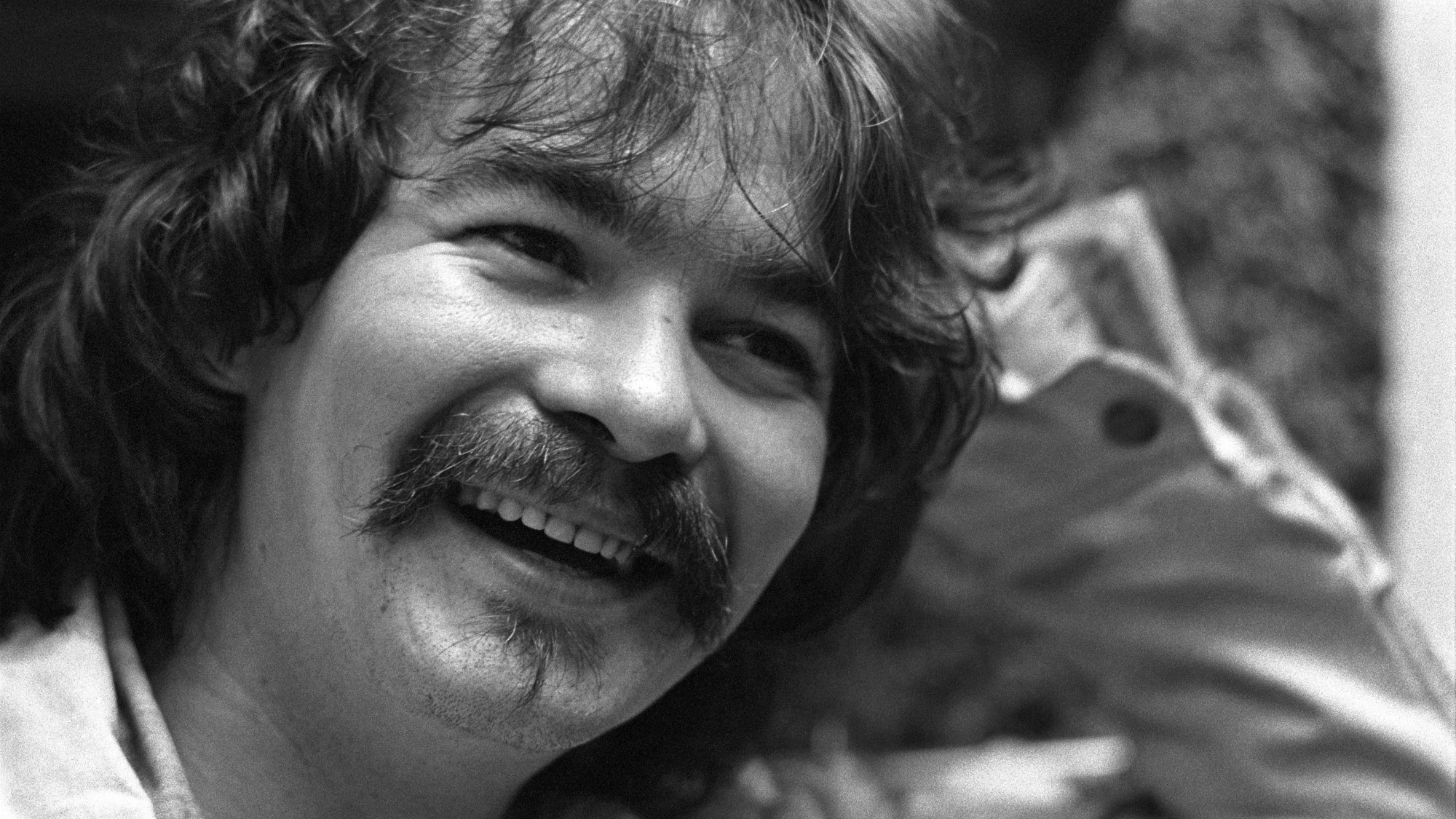
(Photo by Ron Davis/Getty Images)
Leave a Reply
Only members can comment. Become a member. Already a member? Log in.