Your cart is currently empty!



Jethro Tull’s First US Top 40 Hit Took Three Years To Get Its Stateside Footing
A couple of Ian Anderson’s Jethro Tull bandmates suggested that he write a hit. He obliged, delivering the first smash single the band ever achieved in their native UK, all while staying true to Tull’s musical ambition and slightly off-kilter tendencies.
Videos by American Songwriter
The same song also turned out to be Jethro Tull’s first big single success in the US. Only it took three years for that to happen.
Tull It Over
The core of what became Jethro Tull came together in Lancashire, England, in 1967. By the time the dust settled and several lineup changes had taken place, they were a four-piece band. Ian Anderson, not wanting to simply be a secondary guitar player on the roster, decided to learn the flute to give the band a bit of a twist compared to other acts on the British scene.
They didn’t choose their name, which was shared with the long-deceased inventor of the seed drill. It was common for bands to keep changing their names so that they’d get away with playing at the same British clubs on multiple occasions. A booking agent chose Jethro Tull for one of those clandestine gigs, and it stuck.
On the band’s 1968 debut album This Was, Anderson and guitarist Mick Abrahams shared duties for the overall direction of the music. Abraham wanted to push in more of a blues-rock direction, so he left to form Blodwyn Pig after the debut. Martin Barre replaced him in time for the band to record their first big single in 1969.
A “Past” Present
As mentioned above, Ian Anderson was challenged to write a big hit for Jethro Tull. Following his restless musical sensibilities even at the behest of this direct prompt, he wrote a song with the somewhat un-pop time signature of 5/4.
It was catchy enough, though, that you could almost overlook the somewhat sarcastic sentiments of the lyrics. Anderson didn’t think much of his generation’s far-flung desires for revolution. He subtly expressed this view in the new song’s lyrics.
Anderson also looked askance at the hippie generation’s insistence on living for pleasure in the moment. Thus, he beckons his companion within the song to join him in “Living In the Past”. The song hit No. 3 in the UK. In that respect, mission accomplished. But it would be a while before it surfaced again to break the band on US pop radio.
After the Fact in America
Many a successful British act has struggled to make a dent in the US market. Jethro Tull managed to make major inroads in America in terms of album sales with the LPs Benefit and Aqualung, released in 1970 and 1971, respectively. In March 1972, they released Thick As A Brick, which would eventually top the US album charts.
But even though eventual classics like “Locomotive Breath”, “Aqualung”, and “Thick As A Brick (Part I)” dotted those records, no Jethro Tull single managed to break out. Then, in the summer of 1972, the compilation Living In The Past arrived. It collected much of the early work of Jethro Tull that might have eluded American audiences the first time around.
To promote this release, the band released a remixed version of “Living In The Past” as a single. It soared to No. 11 in the US. Not only would it be the first Top 40 hit for the band in America, but it would also serve as the highest-charting hit stateside that Jethro Tull ever released.
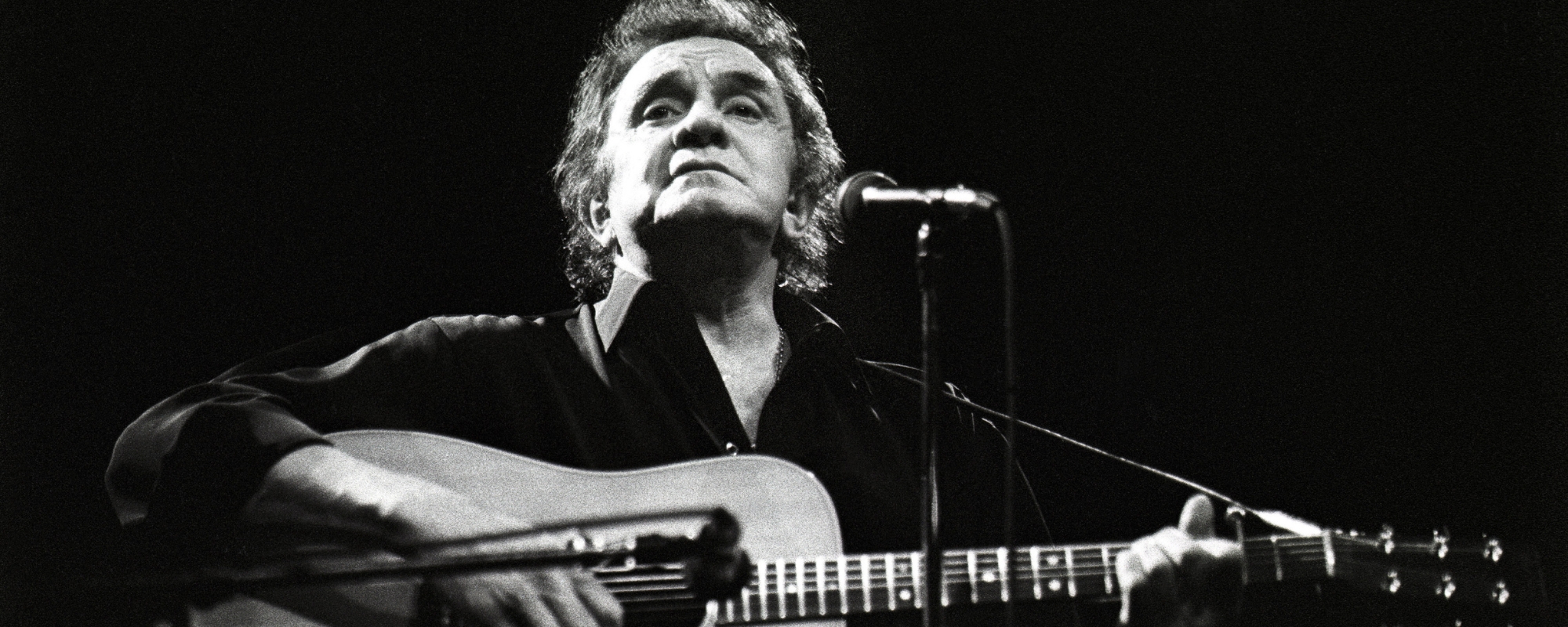
Photo by David Redfern/Redferns/Getty Images




Leave a Reply
Only members can comment. Become a member. Already a member? Log in.