Your cart is currently empty!



On This Day in 1969, Glen Campbell Recorded a No. 1 Hit About a Homesick Soldier That Became an Unexpected Protest Song
On this day (January 9) in 1969, Glen Campbell went into the Capitol Studios in Hollywood to finish recording “Galveston.” The song spent three weeks at No. 1 on the country chart later that year. It was also a top 10 hit on the Hot 100, giving Campbell crossover success. The songwriter, Jimmy Webb, wrote the song to tell a story. However, due to the cultural tension at the time, “Galveston” became a protest song.
Videos by American Songwriter
Campbell found his first No. 1 with “I Wanna Live” in 1968. Later that year, he released his second chart-topper, “Wichita Lineman,” which was also a top 10 hit on the Hot 100. So, when he released “Galveston” in late February 1969, he did so with plenty of momentum.
However, Campbell’s popularity at the time wasn’t the only driving force behind “Galveston.” The lyrics tell the story of a young man who has been shipped off to war. He misses the young woman he left behind and the city where they met. At the time, protests against the Vietnam War were gaining momentum in the United States. As a result, the song about a homesick soldier became a protest song.
Glen Campbell’s Major Hit Was Not Written as a Protest Song
Songwriter Jimmy Webb could take a spark of inspiration from his surroundings and turn it into something truly spectacular. For instance, he was inspired to write “Wichita Lineman” by a long stretch of Kansas highway. “Galveston” is full of oceanic imagery and mentions of the city’s beaches. That’s because Webb was sitting on a Galveston beach when the story of the heartbroken and homesick soldier came to him. However, he didn’t set out to write a protest song.
“If there was a statement, and obviously I was saying something, I prefer to say it wasn’t antiwar,” Webb said. “It was more about an individual getting involved in a war and realizing that he’d rather be somewhere else,” he explained.
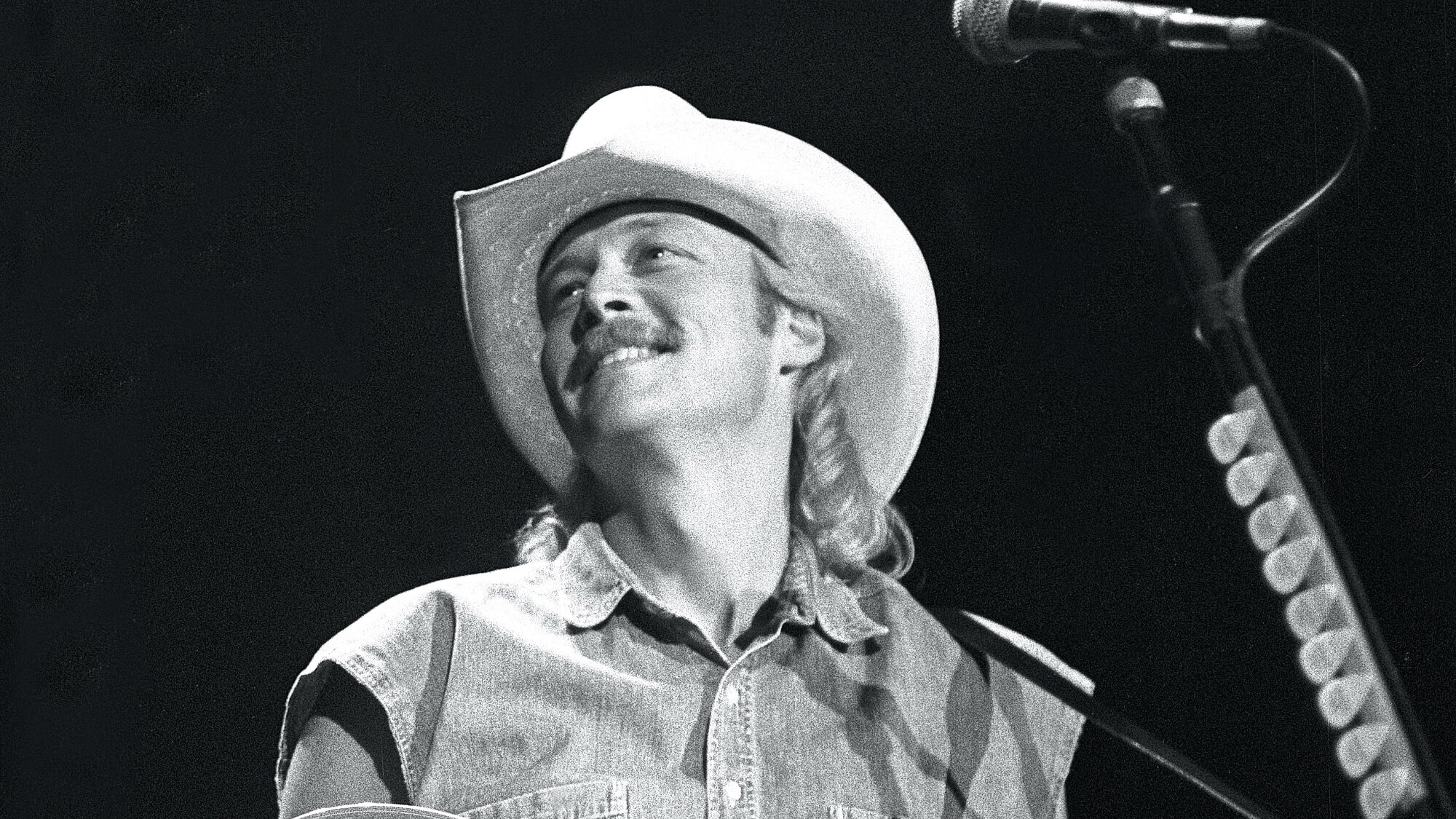
Featured Image by Jasper Dailey/ Michael Ochs Archives/Getty Images






Leave a Reply
Only members can comment. Become a member. Already a member? Log in.