Your cart is currently empty!



On This Day in 1998, the World Lost the Producer Whose Work With Kitty Wells and Patsy Cline Defined the “Nashville Sound”
On this day (January 7) in 1998, legendary producer and musician Owen Bradley died in Nashville, Tennessee, at the age of 82. He left behind one of the largest legacies in country music. As one of the architects of the “Nashville Sound,” which rose to prominence in the late 1950s, he changed the face of the genre and helped make it more commercially successful. Additionally, he helped advance the careers of legendary artists, including Patsy Cline, Loretta Lynn, and Kitty Wells.
Videos by American Songwriter
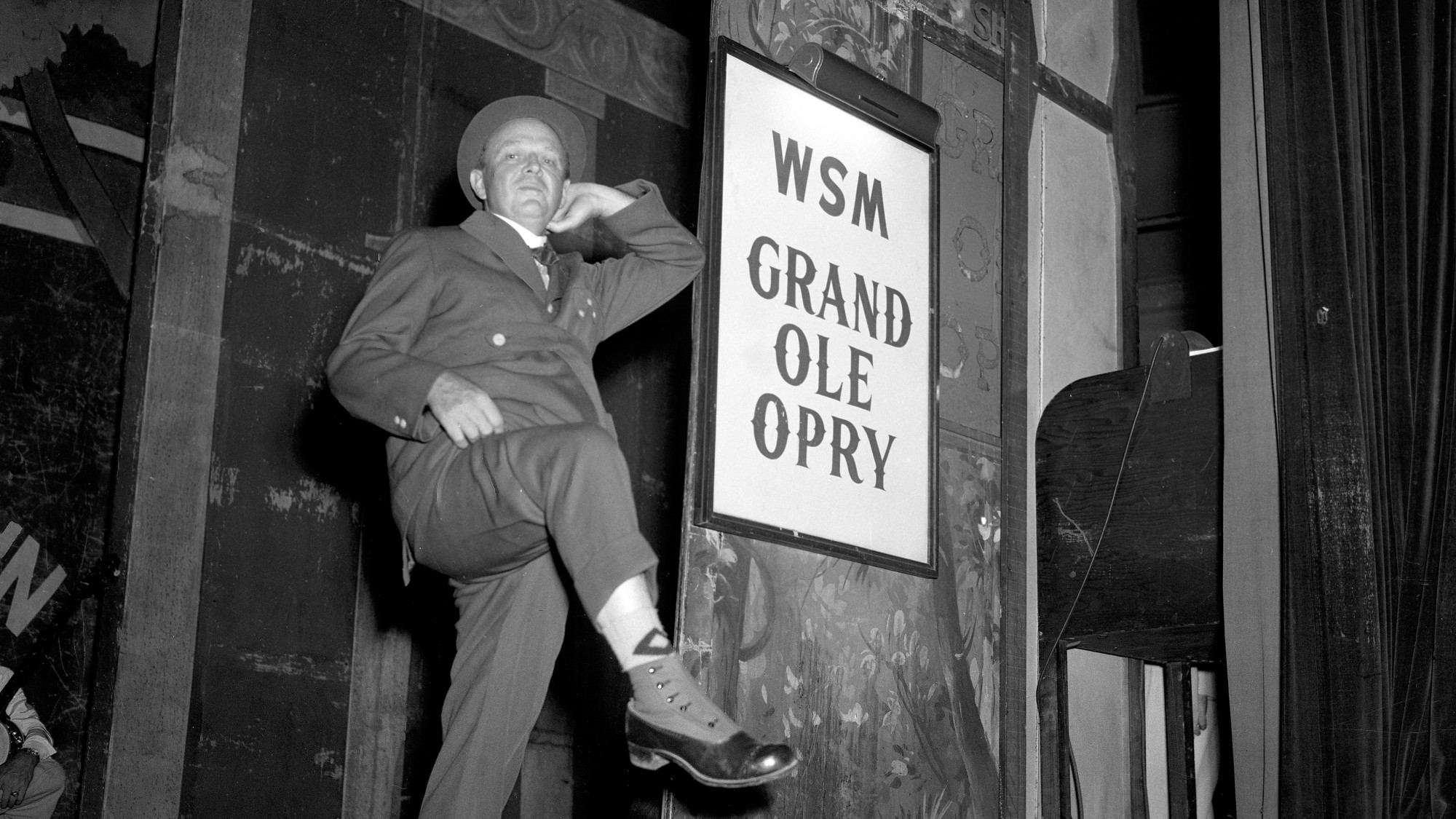
Bradley was a multi-instrumentalist who began his career as a professional musician at the age of 15. By the time he had reached his mid-20s, he was leading his own band and regularly appeared on radio stations, including WSM, the home of the Grand Ole Opry. Things really took off in 1947, when Paul Cohen hired Bradley to open the Nashville branch of Decca Records and oversee recording sessions there.
According to the Country Music Hall of Fame, Bradley produced his first major hit in 1950. Red Foley’s “Chattanoogie Shoe Shine Boy” topped the pop and country charts and sold a million copies. Bradley oversaw the recording session. He also ran recording sessions for Bill Monroe, Ernest Tubb, Webb Pierce, and Kitty Wells. Notably, he oversaw the session that resulted in Wells’ massive 1952 hit “It Wasn’t God Who Made Honky Tonk Angels.”
Owen Bradley and the Nashville Sound
By the late 1950s, country music wasn’t far removed from the “hillbilly music” moniker under which the likes of Jimmie Rodgers and the Carter Family sold their records. It was still looked at as an unsophisticated genre, and its popularity was largely limited to small towns and rural areas. As a result, it was far from the commercial powerhouse it is today. Owen Bradley, Chet Atkins, and a handful of other visionary producers set out to change that.
In 1954, Bradley and his brother, Harold, purchased a house on 16th Street South and established the first recording studio on what would eventually become Nashville’s Music Row. They installed a Quonset hut behind the house, and Bradleys’ Film & Recording Studio was born. Later, it would be called the “Quonset hut studio” and would house sessions from a long line of legends.
The Quonset studio is also where the “Nashville Sound” began to come together. Bradley and his counterparts removed the honky tonk style piano that was prevalent in the genre and replaced it with a more sophisticated easy listening style. Additionally, they did away with fiddles and replaced them with lush string arrangements. Recordings still featured steel guitars, but they were smoother. In short, they forged country music into something pop audiences could enjoy.
Owen Bradley produced hit songs and albums for Conway Twitty, Kitty Wells, Loretta Lynn, Patsy Cline, Brenda Lee, and other artists who became massive country music stars. He also oversaw sessions for rock singers like Buddy Holly.
Countless artists have looked to those produced by Bradley for inspiration over the years. Without him, we likely would have missed out on some of the greatest country music ever recorded.
Featured Image by Bob Grannis/Getty Images
Leave a Reply
Only members can comment. Become a member. Already a member? Log in.