
She was a Broadway and film legend who occasionally conquered the pop charts with one of her beautiful music ballads. He was looking for a new challenge after standing out in front of a hugely popular group dealing with a backlash. Barbra Streisand and Barry Gibb came together for the 1980 album Guilty. Their pairing proved simpatico. Streisand walked away with the biggest contemporary pop album of her career, and Gibb found a new side gig as a writer and producer for hire.
Videos by American Songwriter
Barbra and Barry
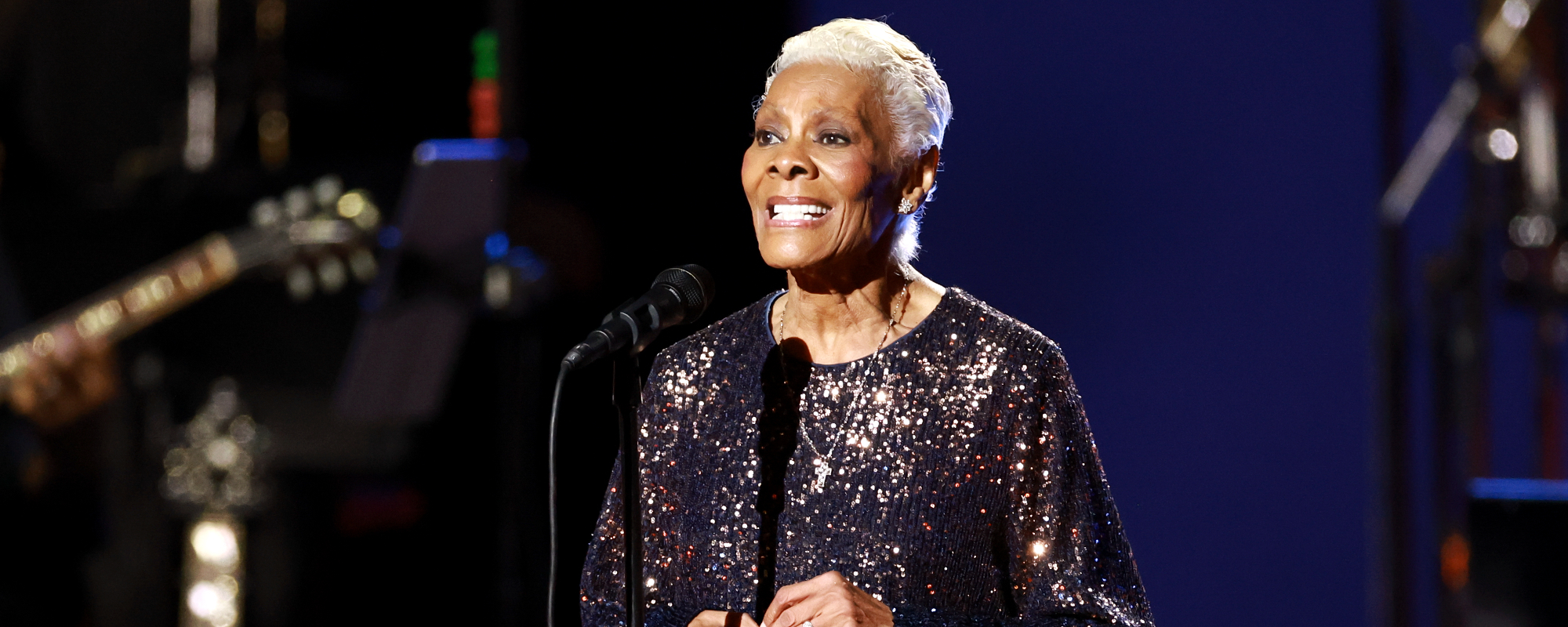
Barbra Streisand’s career wasn’t exactly in need of a boost at the time Barry Gibb came calling. She had glided through the 70s on a wave of popular movies. While her forays into pop music usually came via genteel ballads like “The Way We Were”, her recent collaboration with Donna Summer proved she could get it done with grittier material.
If you just looked at The Bee Gees’ discography, you might assume that Barry Gibb was also soaring career-wise. The last two releases by his group, the Saturday Night Fever soundtrack and Spirits Having Flown, produced a record-breaking streak of no. 1 singles. That’s not to mention the hits he and his brothers wrote and donated to others.
But 1980 was also the year when folks started turning on disco music in a major way. Since people viewed the Bee Gees as the headliners of that genre, they took a lot of heat. It made sense that they should lie low for a while. That’s when Gibb decided to give Streisand a call.
‘Guilty’ Greatness
Gibb thought that Streisand was a singer like no other. He felt that he could craft and produce songs that could bring her music into a more contemporary vein without pushing her too far. Streisand, to her credit, proved open to the idea. While Gibb initially intended to only write and produce a few songs, he eventually took on the whole Guilty album.
The process Gibb brought to the table was somewhat different from the norm for Streisand. She usually liked to record with the musicians in the room, something that allowed her some give and take with the feel of the songs. But Gibb brought finished tracks to her in Hollywood that only needed her vocals to complete.
By that time, Gibb had already recorded the basic tracks with a bunch of ace session players in Miami. That was a process that opened his eyes, as he liked the expertise of the sidemen. In the future, the Bee Gees would rely on outside players more and more in their recordings. Gibb also oversaw the addition of orchestration to the songs.
Sales and Accolades
Once Streisand entered the picture, Gibb asked her to sing ten takes of each song to the pre-recorded backing tracks. That allowed her to try different things as she liked. It also gave Gibb plenty of choices when it came to assembling the final vocal.
Streisand expressed some bafflement at some of the lyrics of “Woman In Love”, which was chosen as the lead single. But the song rose to the top of the pop charts. A pair of duets with Gibb, the title track and “What Kind Of Fool”, followed it into the upper reaches of the charts. No other Streisand album had ever produced three Top 10 singles.
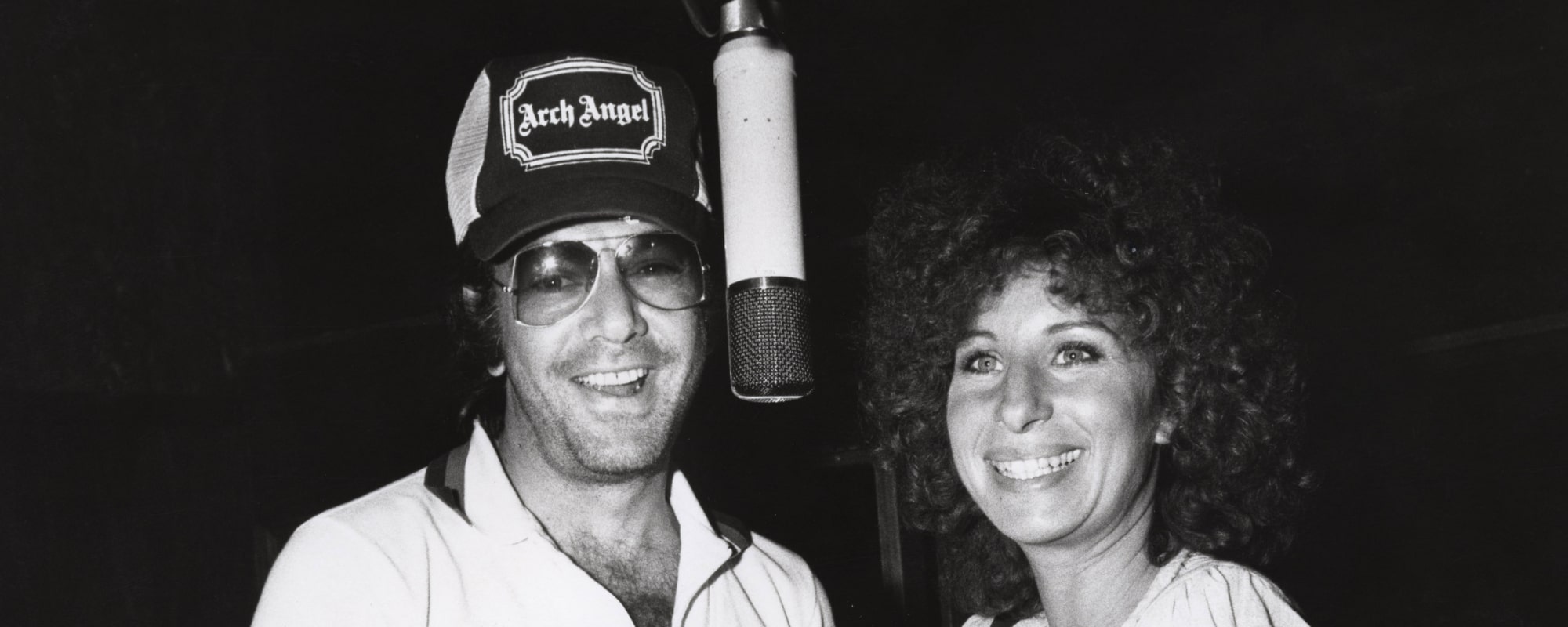
In addition to the sales success, the title track won Streisand and Gibb a Grammy. And they enjoyed working with each other so much that they returned for the sequel Guilty Pleasures, 25 years later. Two massive stars working together, ego-free? “Nothing to be guilty of” indeed.
Photo by Robin Platzer/IMAGES/Getty Images


Leave a Reply
Only members can comment. Become a member. Already a member? Log in.