Your cart is currently empty!


The Beatle Who Was Actually Meant to Play Lead Guitar in the Band (And Why He Stopped)
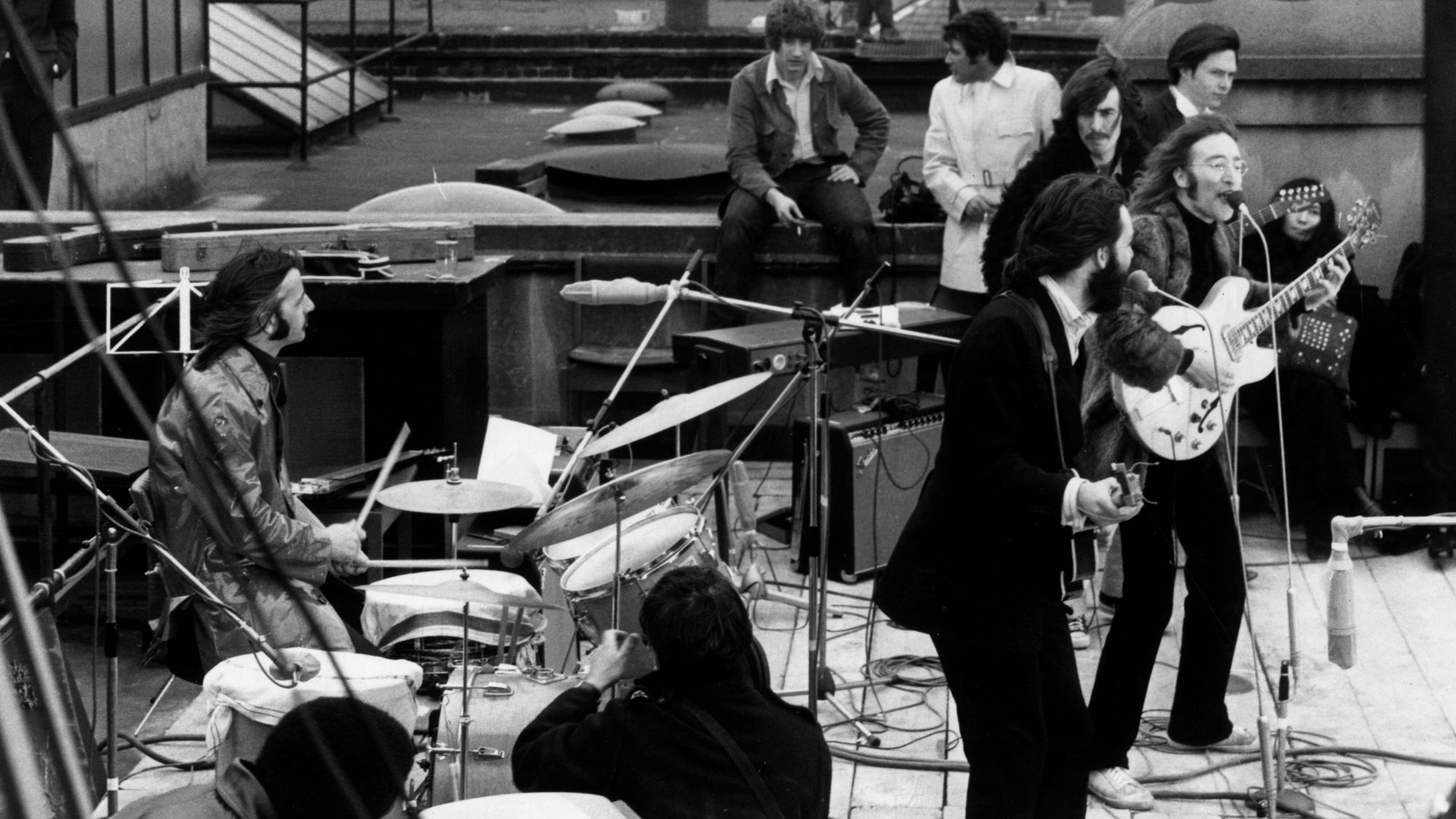
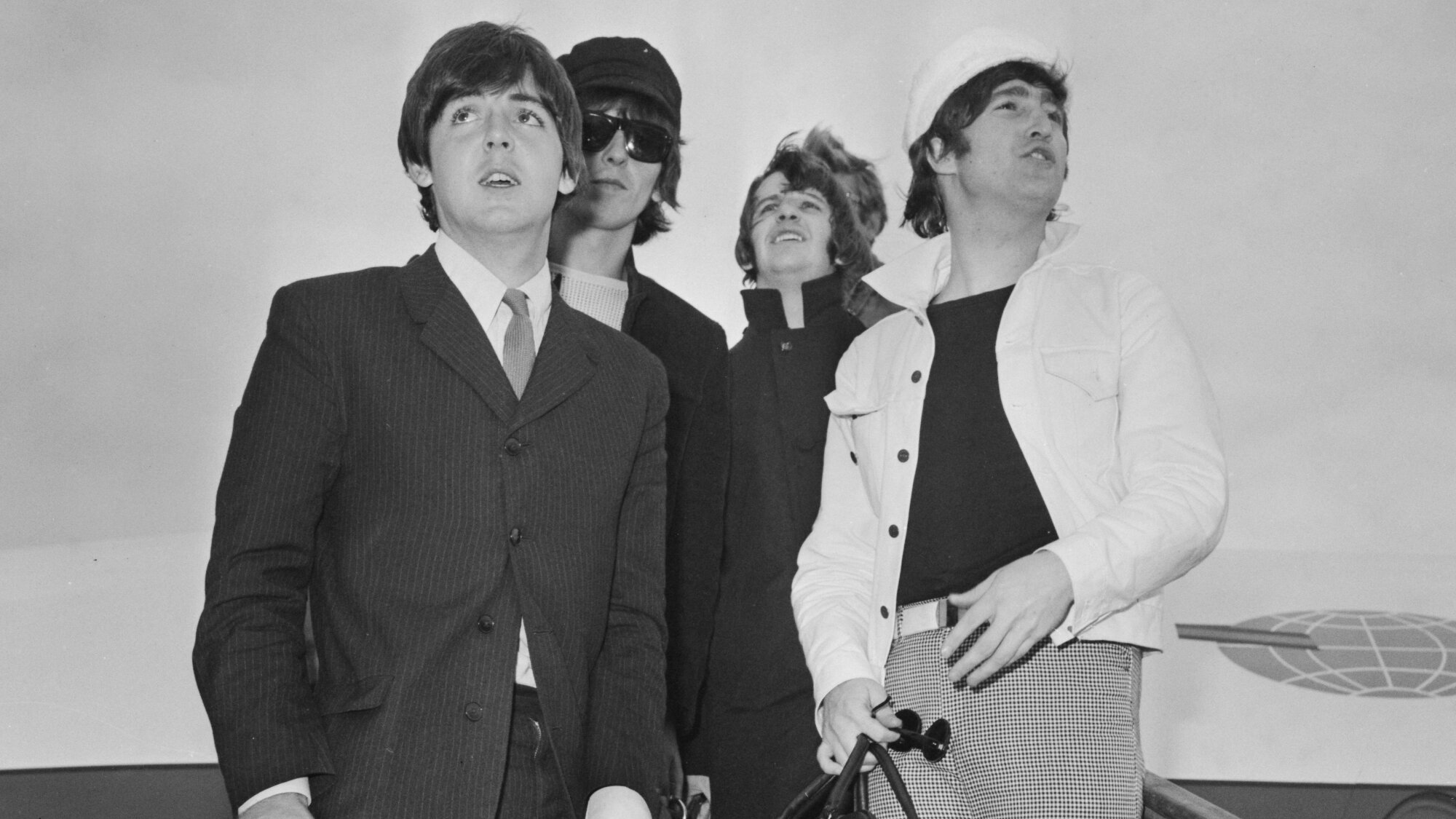
Some mental images are inextricable from The Beatles’ legacy, not the least of which include John Lennon holding down rhythm guitar, Ringo Starr smiling and head-wagging behind the kit, Paul McCartney plunking out bass lines on his Hofner viola bass, and George Harrison playing lead guitar. But all that could have looked remarkably different—perhaps excluding Harrison altogether—if it wasn’t for one particularly bad bout of nerves at a show.
Videos by American Songwriter
Bass players are often also guitar players, and McCartney is no exception. Songs like “Blackbird” and “Yesterday” proved that Sir Paul could work his way around a fretboard years before he would establish Wings, the band in which he played the most guitar. And as one of The Beatles’ principal songwriters, it stands to reason that McCartney might have ended up on lead guitar. At least, that’s what they were planning on in their earliest days of playing out.
As McCartney recalled in a 2025 edition of Anthology, he had a guitar solo on deck during his first gig with The Quarry Men. The young musician planned to take the lead on “Guitar Boogie”, but when the time came for his feature, McCartney’s hands froze. “I got sticky fingers,” he recalled, per Guitar World. “I thought, ‘What am I doing here?’” He said he was “too frightened” and that he never played a guitar solo again until years later.
Enter George Harrison.
George Harrison Made Up for What Paul McCartney Lacked As a Lead Guitar Player
If, on that fateful Quarry Men gig, Paul McCartney had turned around and ripped a solo on “Guitar Boogie”, George Harrison might have never made it into The Beatles in the first place. But after McCartney choked, the band knew they should find somebody else to take over the job of riff-player. “That’s why George was brought in,” McCartney said in Anthology. “I told John and the other Quarry Men about this guy at school called George. ‘He is a real good guitar player. So, if you’re thinking of guitar, this is your boy.’”
Lennon and the rest of the Quarry Men agreed to hear Harrison play. Harrison, who was the youngest of the group, played “Raunchy”, an instrumental rock track from American rock ‘n’ roller Bill Justis. His playing, which sounded nearly identical to the actual record, blew the older boys away. “Everyone agreed, ‘You’re in. You’ve done it,’” McCartney said. “George was like our professional guitarist from then. John did play some Chuck Berry-style solos. But he gave over the solo chair to George and became known as the rhythm guitarist.”
In the end, every player seemed to find the spot that fit them best. McCartney’s transition to bass player was hardly a demotion. In fact, one could argue that holding down a steady yet melodic rhythm is even more challenging than picking out a guitar solo. Moreover, McCartney’s guitarist’s approach to bass made for more creative and unique basslines, which helped define The Beatles’ sound. All’s well that ends well, so they say.
Photo by Michael Ochs Archives/Getty Images
Leave a Reply
Only members can comment. Become a member. Already a member? Log in.