Your cart is currently empty!



The One Song Out of Hundreds Bob Dylan Always Regretted Writing: “I Must Have Been a Real Schmuck”
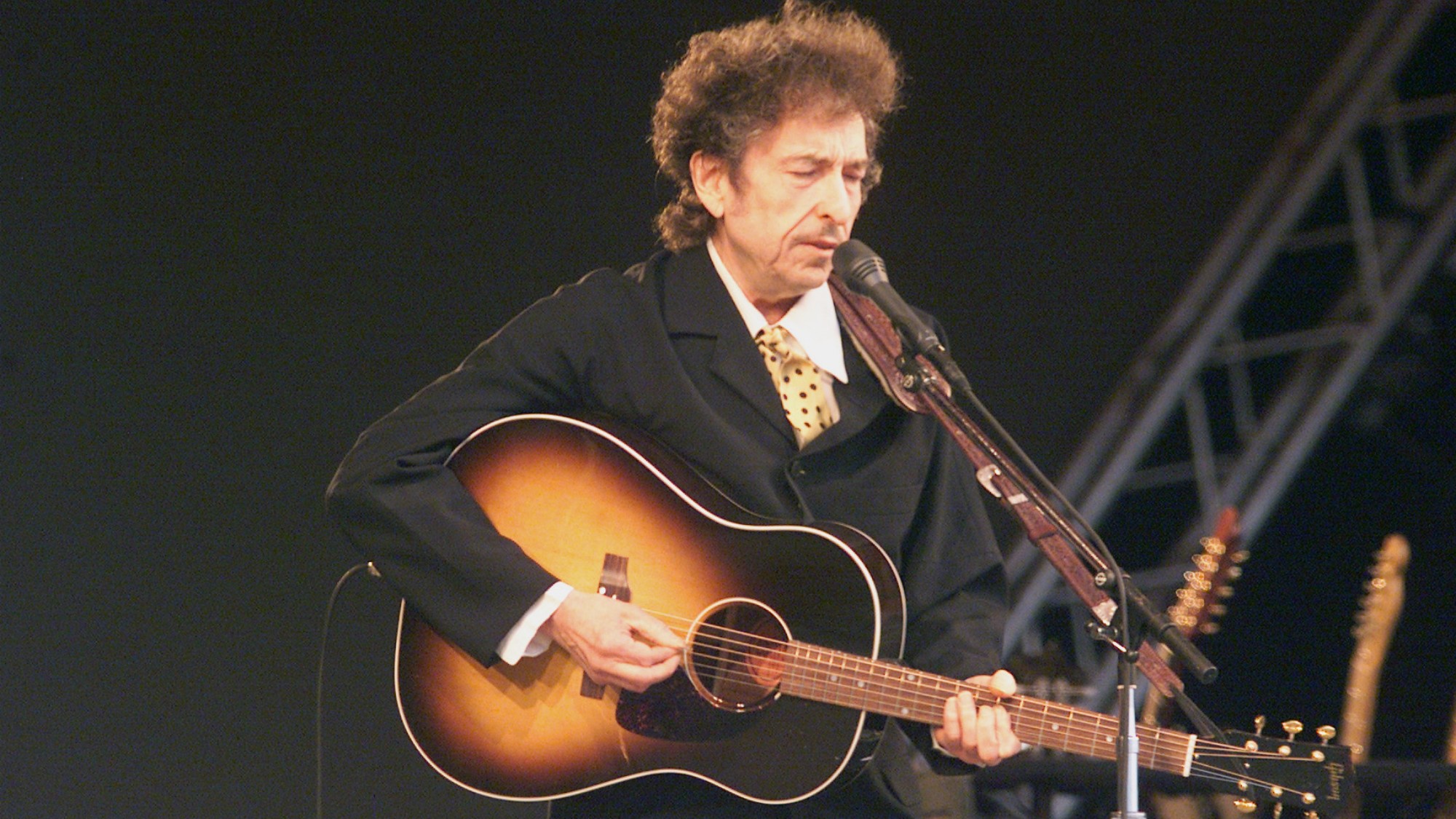
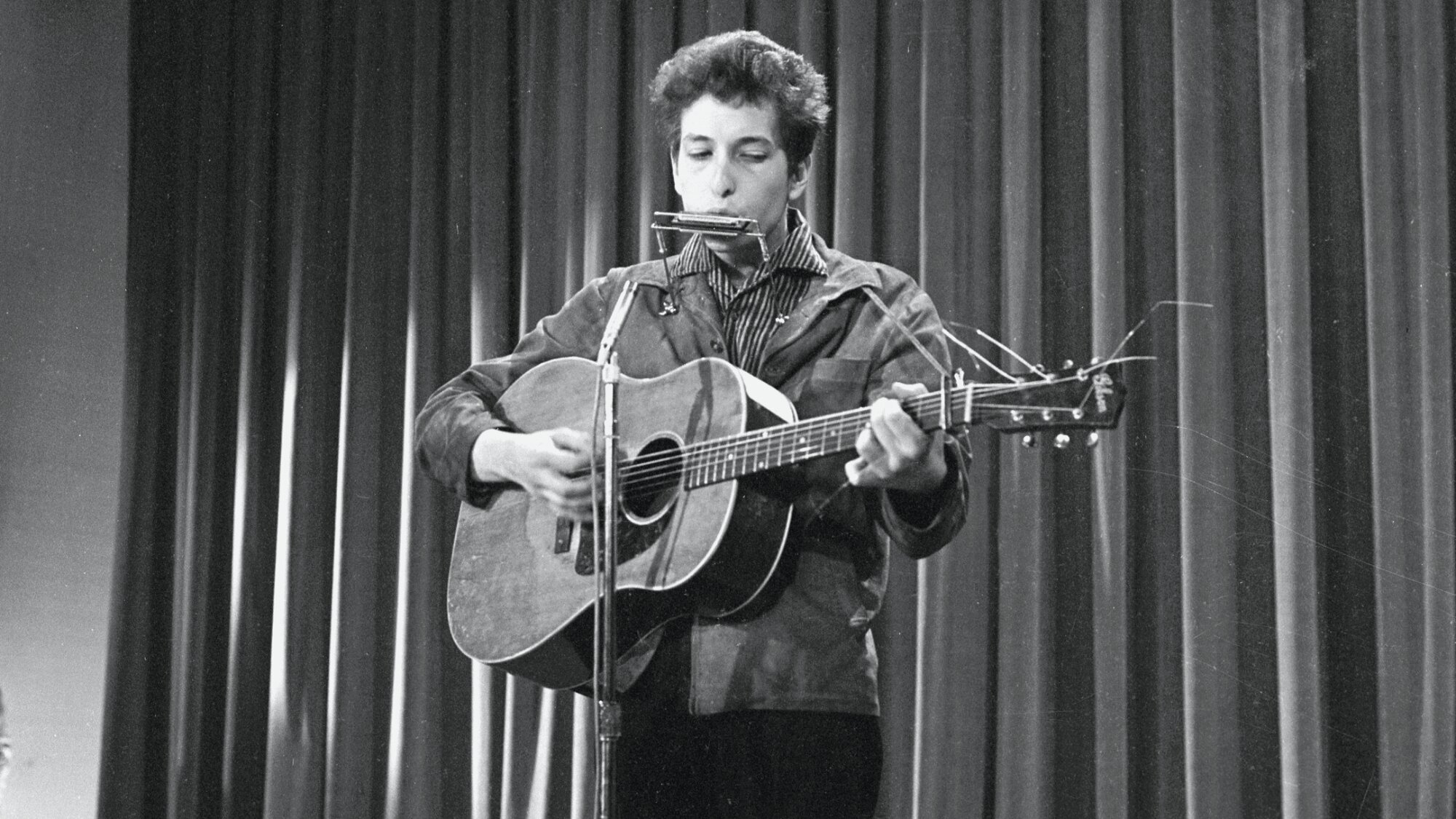
Bob Dylan has built his entire career on waxing poetic about the world on a grand and minute scale, from global politics and philosophy to individuals’ stories about love, loss, and redemption. Many of these songs have served as the backdrop for entire social movements, like his early 1960s protest music. Some of Dylan’s music signaled shifting trends, like when he infamously went electric at the 1965 Newport Folk Festival.
Videos by American Songwriter
For the most part, his prolific discography has remained fairly opaque when it comes to describing the man behind the pen. Dylan’s use of extended metaphor and illustrative storytelling means that even if a song was inspired by his real life, he keeps the listener far enough away that they don’t realize it.
Except one. And out of the hundreds and hundreds of songs Dylan has written over his decades-long career, that one intensely personal track has always been a source of regret.
Why Bob Dylan Regrets Releasing “Ballad in Plain D”
Bob Dylan dropped his mysterious veil and laid it all out on the table when he released his 1964 track, “Ballad in Plain D”, on Another Side of Bob Dylan. The rambling folk ballad recounts the raw, final climax of his relationship with Suze Rotolo, including the nasty fight Dylan had with her sister around the time of their split. And Dylan certainly didn’t mince his words about the sister.
“For her parasite sister, I had no respect / Bound by her boredom, her pride to protect / Countless visions of the other she’d reflect as a crutch for her scenes and her society.” Ouch.
When the song first came out, critics clocked it as a one-sided recounting of a lover’s quarrel that sounded more like self-pity than accountability. But as is often the case when it comes to breakups, it took some time for Dylan to realize his part in that relationship’s demise—and the error in his ways of writing “Ballad in Plain D” in such excruciating detail.
Speaking to Bill Flanagan, Dylan would later say, “That one I look back at, and I say, ‘I must have been a real schmuck to write that.’ I look back at that particular one and say, of all the songs I’ve written, maybe I could have left that alone.”
Dylan compared the 1964 track to his later album, Blood on the Tracks, which he admitted to loosely basing on his struggling marriage at the time. The songwriter said one notable difference was that, at that point in his life, he didn’t want to “exploit” the relationship for the sake of a song. “Whereas in ‘Ballad in Plain D’, I did. Not knowing that I did it,” he said.
His Subject Already Made Peace With the Scathing Track
Bob Dylan’s regret about “Ballad in Plain D” is undoubtedly multifaceted. There is the issue of allowing himself to be so vulnerable and forthcoming, when that usually isn’t his style. But there was also, inevitably, the regret that came from knowing he might have hurt Suze Rotolo again just by hashing out the last, messy details of their romance to the entire world. For whatever it’s worth, though, the subject of Dylan’s scathing song seemed to make peace with it rather quickly.
“I never felt hurt by them,” Rotolo would later say of Dylan’s more bitter songs attributed to their relationship. “I understood what he was doing. It was the end of something, and we both were hurt and bitter. His art was his outlet, his exorcism. It was healthy. That was the way he wrote out his life. The loving songs, the cynical songs, the political songs. They are all part of the way he saw his world and lived his life, period. It was a synthesis of feeling and vision, and he made poetry from it.”
Photo by Gai Terrell/Redferns


Leave a Reply
Only members can comment. Become a member. Already a member? Log in.