Your cart is currently empty!



This Misunderstood Track From 1966 Helped Influence All Your Favorite 1970s Rock ‘n’ Rollers
Once an artist puts a song out into the world, they no longer have control over how the public perceives it. The track is liable to take on new meanings, become about different events, and speak a different message to those who hear it. This sort of emotional and linguistic alchemy is part of what makes songwriting such a unique art form. And while there are certainly cases where these lyrical transformations can beget negative consequences for the artist or audience, there are other times where it becomes a net positive.
Videos by American Songwriter
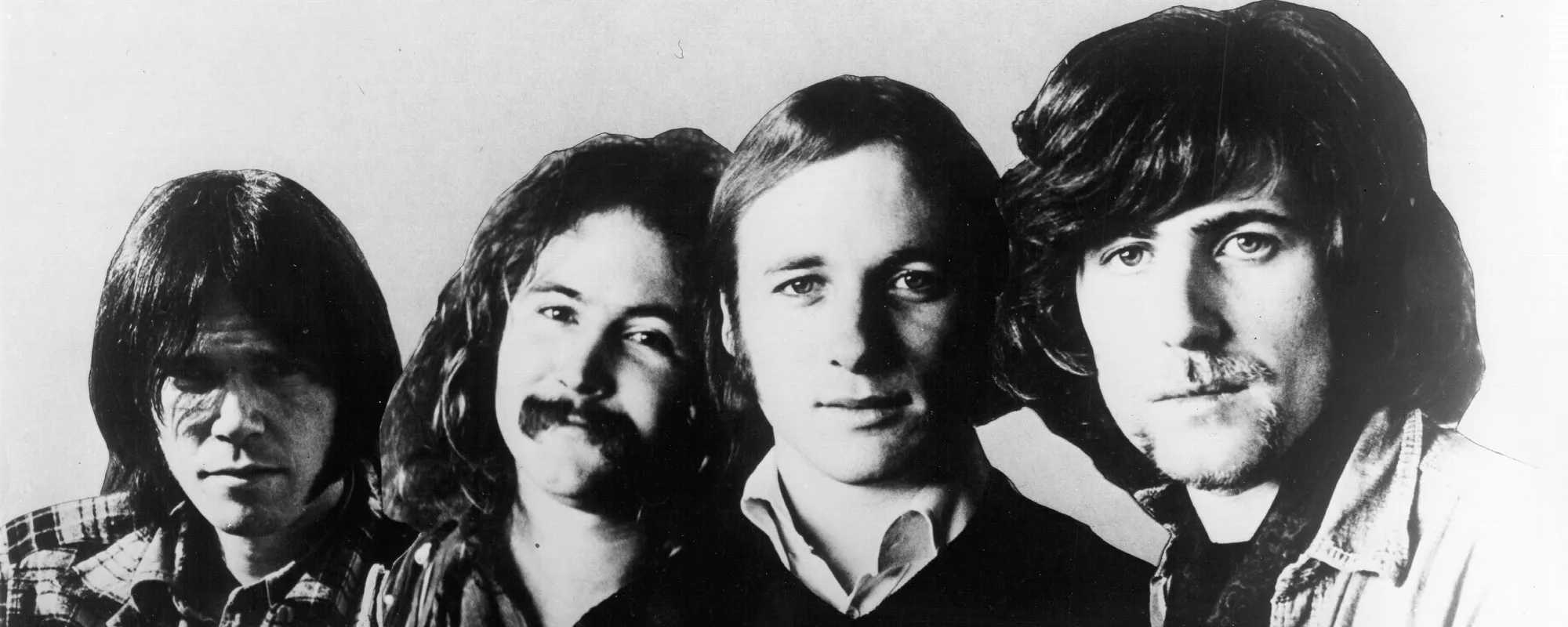
The 1966 Buffalo Springfield track, “For What It’s Worth (Stop, Hey What’s That Sound)” is a prime example. Most listeners of the time believed the song to be an anti-Vietnam War anthem, given lyrics like, “There’s battle lines being drawn / Nobody’s right if everybody’s wrong / Young people speaking their minds / Are getting so much resistance from behind.”
In reality, the song was about a conflict much closer to home.
Stephen Stills Took Inspiration From Hollywood, Not Vietnam
Buffalo Springfield released “For What It’s Worth” in December 1966, six months before the Summer of Love would take off. The song was the perfect backdrop for the massive cultural movement of the late 1960s, as young people grew more politically and socially aware, leading to a mass migration to metropolitan areas and greater resistance to the ongoing Vietnam War. Nevertheless, Stephen Stills wasn’t imagining the muggy jungles of Vietnam when he wrote “For What It’s Worth”.
On the contrary, he was thinking of his home in sunny Los Angeles. Stills wrote the 1966 classic about the infamous Sunset Strip curfew riots, during which around a thousand young people clashed with city officials and law enforcement officers over Los Angeles County’s imposition of curfews on the Sunset Strip in Hollywood. The conflict helped deepen the divide between culture and counterculture—a feeling of self-awakening and realization that Buffalo Springfield’s “For What It’s Worth” perfectly encapsulated.
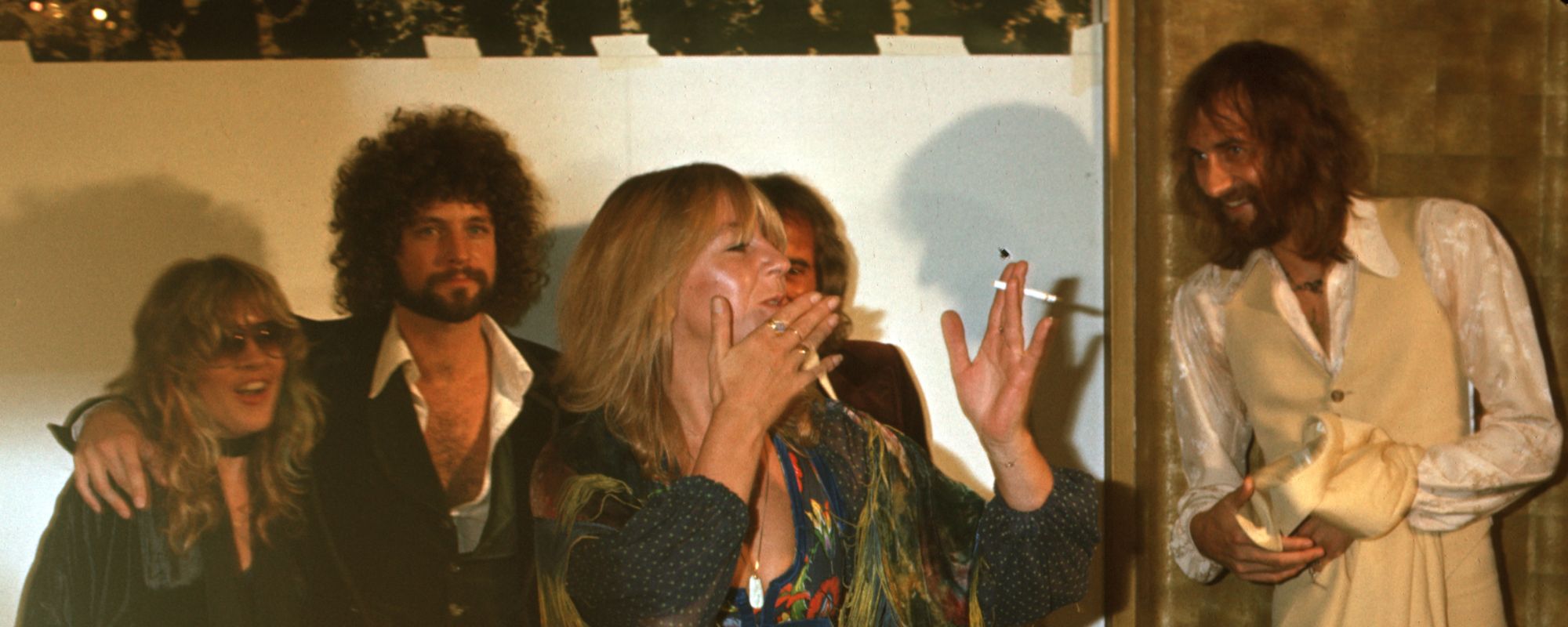
The universal interpretation of the song is what makes it so incredible, according to former Fleetwood Mac frontwoman Stevie Nicks. “I think that somewhere in Stephen Stills’ amazing songwriting, visionary, whatever you want to say…he managed to cover everything. To cover everything that everybody’s complaining about and fighting against in the entire world,” she said during an Apple Music 1 interview.
And she wasn’t the only future rock icon of the 1970s who felt that way.
“For What It’s Worth” Helped Inspire Countless 1970s Rockers
Whether because of the stark, ear-catching arrangement or the lyrics’ way of capturing the counterculture spirit (or both), Buffalo Springfield’s “For What It’s Worth” was a major inspiration to countless future rock icons of the 1970s (Stevie Nicks included). Heart frontwoman Ann Wilson echoed similar sentiments to Nicks to Rolling Stone, saying, “It’s so open that it’s brand new today. The main hook, ‘Everybody look what’s going down,’ you can apply that to say, the current election. The song is going, ‘What the hell is this?’ You can apply the song to any situation in any decade.”
For Rush guitarist Alex Lifeson, “For What It’s Worth” conjures memories of riding in the car with his father. “I still recall feeling so moved by that song. It sounded so cool to me, that combination of the acoustic and electric guitars and the lyrics. Even when I hear that song now, I get goosebumps. It’s one of those really special, magical songs. It may be my favorite song of all time.”
Considering the numerous artists who have covered the song since its 1966 release—including Ozzy Osbourne, The Staple Singers, and Led Zeppelin—we’d say Lifeson is in good company.
Photo by Michael Ochs Archives/Getty Images
Leave a Reply
Only members can comment. Become a member. Already a member? Log in.