Your cart is currently empty!



3 Ballads From the 1960s That Are Even Sadder for 60s Kids To Hear as Adults
Sad ballads often strike us differently as we age, as it’s not uncommon to become more sentimental with each new trip around the sun. We feel like we’re running out of time, and the more distant the memories, the more we feel the sting of loss. And hit ballads from the 1960s highlight these distances with heartbreaking accuracy.
Videos by American Songwriter
For starters, they were recorded a long time ago. But also, many tracks feature voices mixed in hazy reverb—more space, further away, with a sense of slowly fading before the memories disappear entirely. All of which makes these ballads even sadder to hear as adults. So keep the Kleenex handy!
“Mr. Lonely” by Bobby Vinton
The title says it all. Bobby Vinton’s hit describes the plight of a lonely soldier. And he might have known the feeling. Vinton began writing the song while serving in the U.S. Army. Then it resonated with listeners as the Vietnam War intensified. “Mr. Lonely” reached No. 1 in 1964 and spent 15 weeks on the Billboard Hot 100. You can hear the despair in Vinton’s voice as he sings, “Letters, never a letter / I get no letters in the mail / I’ve been forgotten, yeah, forgotten / Oh, how I wonder, how is it I failed.”
“Yesterday” by The Beatles
Paul McCartney’s eternal ballad may be about lost love, but it also glimpses a time when “troubles seemed so far away.” People change with age, and many of us wonder whether the young iteration still exists somewhere inside us. In hindsight, “love was such an easy game to play,” but was it? The problems that stressed us in our youth only appear less stressful against the mounting responsibilities of adulthood. Still, any tune about yesterday and loss put to a melody this gorgeous is bound to make one weep, regardless of age. And the older we are, the wider the lens as we think about what yesterday really means.
“You’ve Lost That Lovin’ Feelin’” by The Righteous Brothers
This song is such a banger. Phil Spector wrote it with Barry Mann and Cynthia Weil, and it became a touchstone of Spector’s signature Wall of Sound production. Mann was inspired by “I Love How You Love Me”, his previous hit collaboration with Spector and co-writer Larry Kolber. Over weeping strings and an urgent groove echoing Motown’s Detroit soul, The Righteous Brothers plead with a lover who no longer shares the same feelings. Especially heartbreaking when one realizes the other has moved on before they’ve even said so.
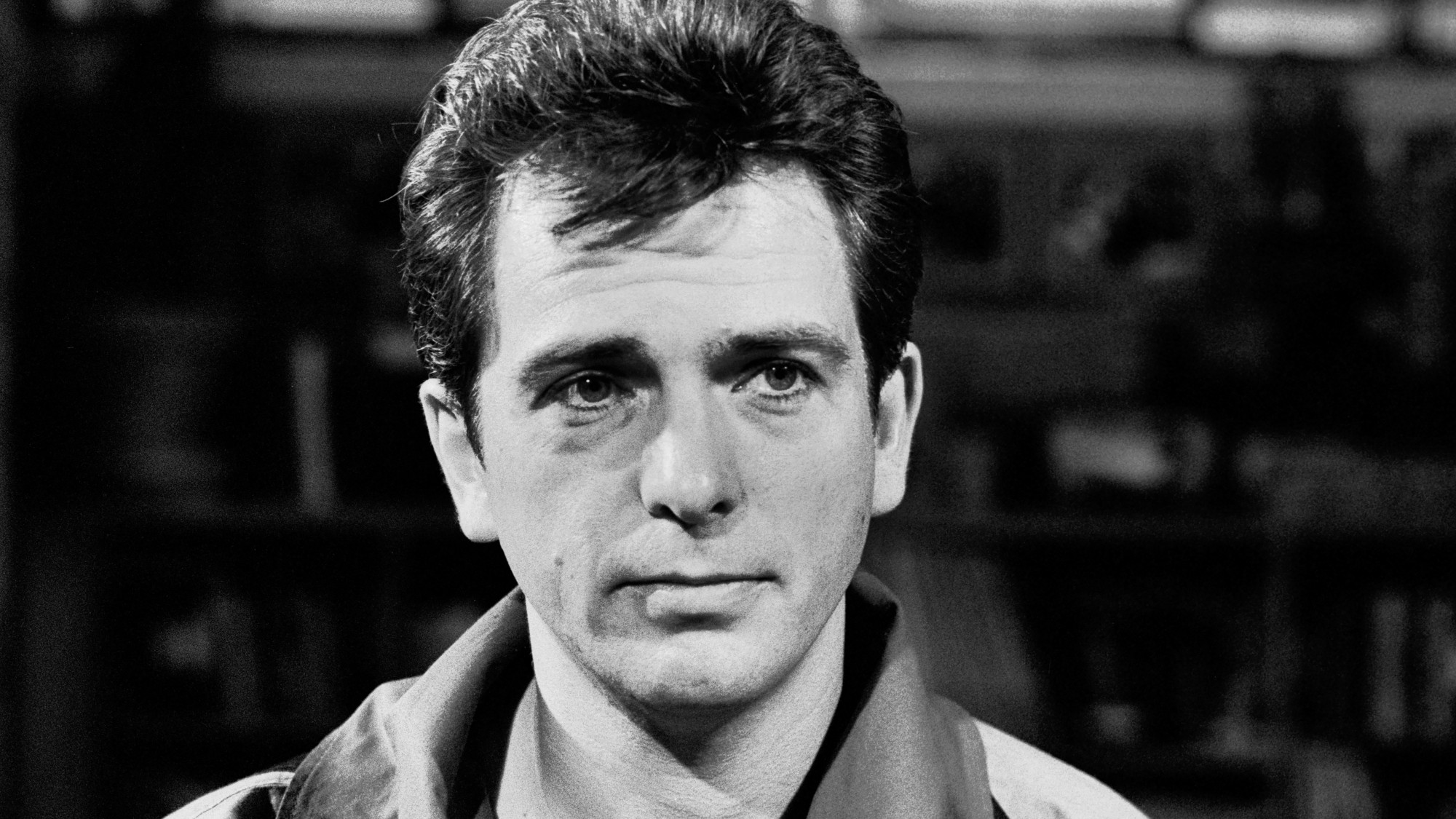
Photo by ABC Photo Archives/Disney General Entertainment Content via Getty Images


Leave a Reply
Only members can comment. Become a member. Already a member? Log in.