
A great hook can forever lock a song into memory. Even those we’d rather forget. But the right melody with an emotionally resonant lyric solidifies like something frozen in amber. Preserved for the long haul. And it’s not only the tune that remains, but the moment or chapter of one’s life, the first-hand events connecting us deeply to a song written by a total stranger. In the spirit of remembering, here are three emotional rock lyrics from 1985 that you’ll never forget, no matter how old you are.
Videos by American Songwriter
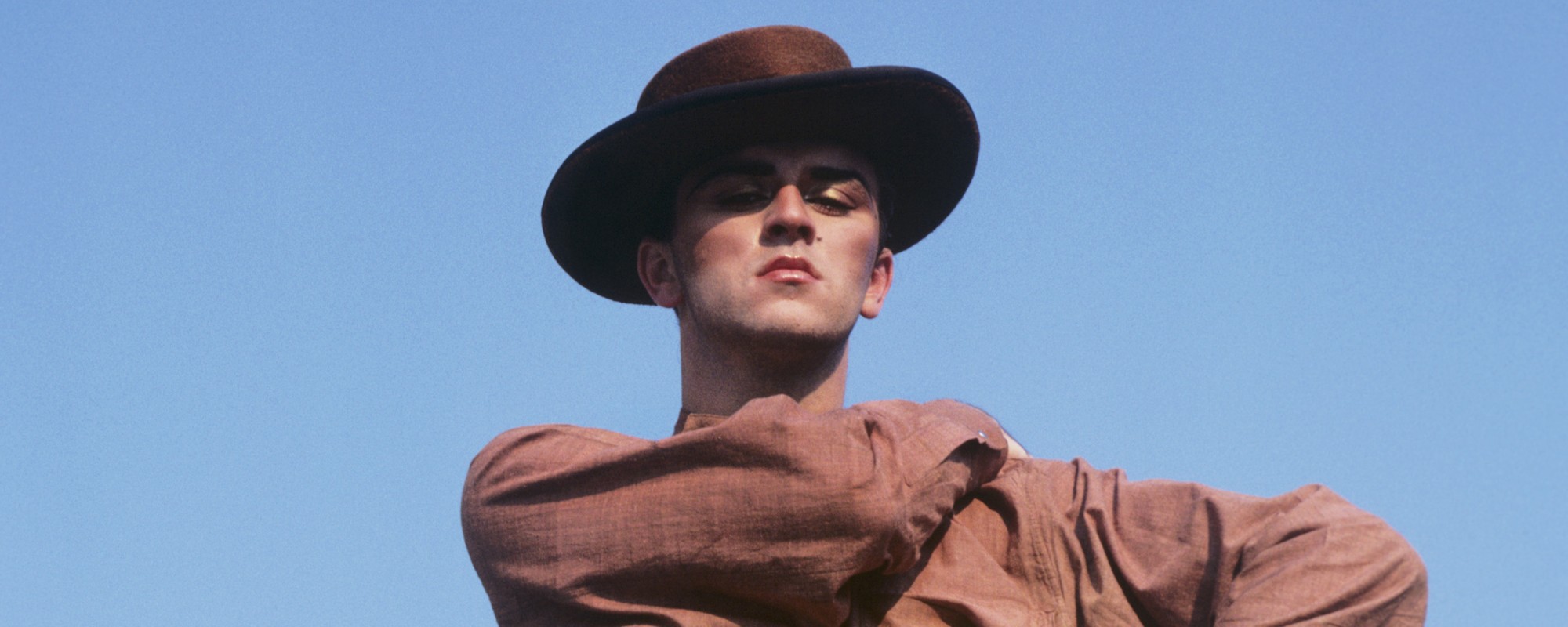
“That Joke Isn’t Funny Anymore” by The Smiths
Morrissey finds solidarity with someone in a parked car, while warning against joking at the expense of someone you don’t know who has become suicidal. As the narrator spirals darkly, the events in the car leave him with a smile. Still, his fateful demise persists. The mood suddenly changes when Morrissey repeats one of his most heartbreaking lyrics. In a yearning melody and supported by Johnny Marr’s swirling guitar layers, Morrissey sings: “I’ve seen this happen in other people’s lives / And now it’s happening in mine.”
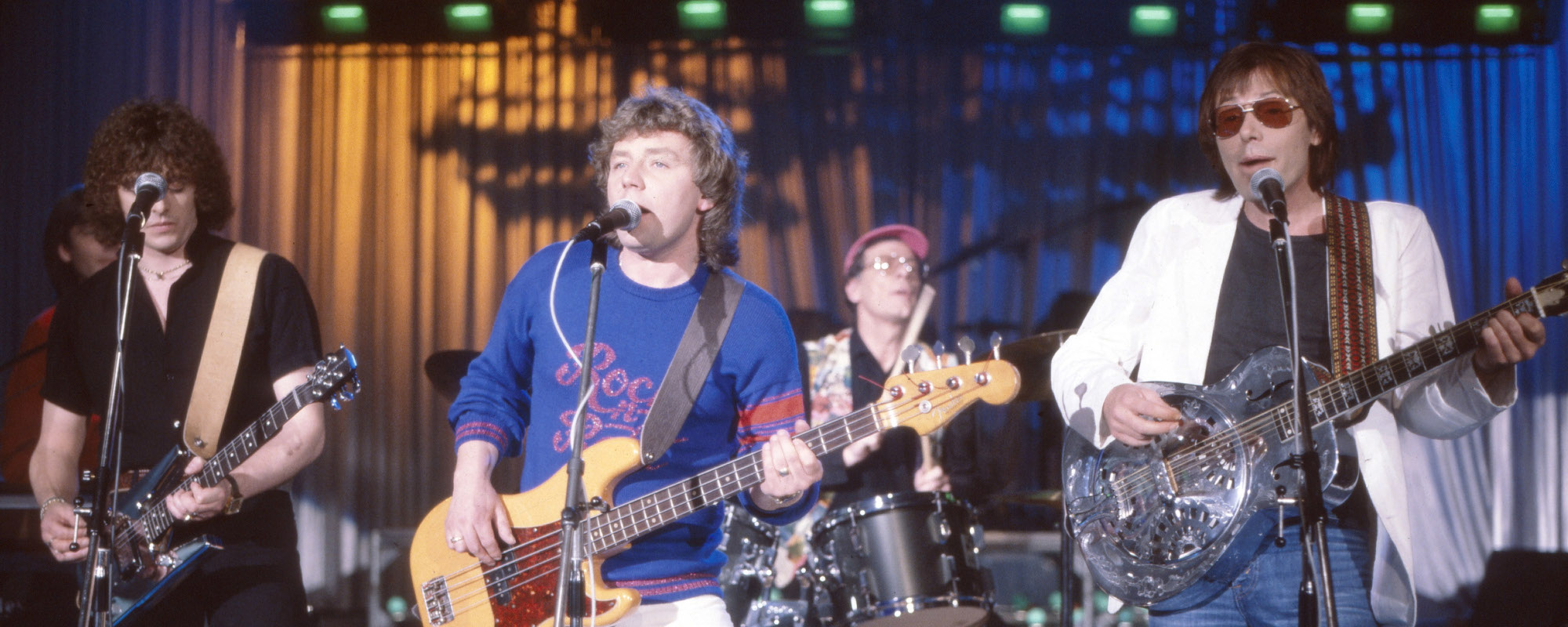
“Take Me Home” by Phil Collins
Inspired by Ken Kesey’s 1962 novel, One Flew Over The Cuckoo’s Nest, Phil Collins writes about a patient at a psychiatric hospital who longs to return home. The track feels hopeful, yet by the time Collins sings the hook, he reveals utter despair. He’s begging, pleading, but you get the sense that the odds are against him. With Peter Gabriel and Sting providing background vocals, Collins sings: “Take me home / ’Cause I don’t remember.” There’s resignation in an earlier lyric, “I don’t mind,” and the image of one suffering while screaming into the abyss is profoundly heartbreaking.
“Shout” by Tears For Fears
This is when a mantra becomes an anthem. “Shout” may be vague on details, but it’s obvious in emotion. It doesn’t have to be this way. And just because we’ve done something one way for a long time doesn’t mean it’s how we should carry on doing it. And what exactly “it” is probably changes with the person. It’s the desire for change, for a better existence, a magnificent incantation over the kind of rigid beat in tandem with generations of humans who’ve felt smothered by various oppressions. “Come on, I’m talking to you, come on,” Roland Orzabal and Curt Smith say. Also, “You shouldn’t have to jump for joy.” Indeed.
Photo by Angelo Deligio/Mondadori via Getty Images

Leave a Reply
Only members can comment. Become a member. Already a member? Log in.