Your cart is currently empty!



3 Heartland Rock Classics From 1982 Anyone Can Relate To
Heartland rock is known for its working-class anthems, but anyone can relate to the genre’s nostalgic themes. If you travel back far enough through rock history and all its iterations—roots rock, country rock, punk, garage rock, etc.—you wind up at folk music. And folk songs are a unifying language, connecting generations and cultures, all while crossing borders as strangers find harmony in shared stories.
Videos by American Songwriter
Whether you’re from a small town or a dense metropolis, consider these heartland rock classics from 1982 that resonate with listeners from all regions of the country.
“Hand To Hold On To” by John Mellencamp
John Mellencamp, then called John Cougar, released American Fool in 1982. The album spent nine weeks at No. 1, thanks to the colossal hits “Jack & Diane” and “Hurts So Good”. Though Mellencamp’s heartland rock typically describes life in a small town, big-city denizens also understand the desire for a romantic partner. Regardless of class or geography, most humans aren’t happy when they feel alone.
Say I’m alone and I’m wild and I will not be tamed,
Talk like a jerk or an educated brain.
Be an old girl driving the young boys insane,
Be a joker, a preacher, it does not matter.
“Change Of Heart” by Tom Petty And The Heartbreakers
Tom Petty was inspired by his future bandmate and frequent collaborator, Jeff Lynne. On “Change Of Heart”, Petty aimed for Lynne’s distorted chords in ELO’s hit, “Do Ya”, first released by The Move in 1972. Here, Petty sings about a breakup, and he tells his soon-to-be ex that he’s had enough. Though the relationship seems toxic, Petty politely states, “Yeah, there’s been a change of heart.”
Well, I fought for you,
I fought too hard.
To do it all again, babe,
It’s gone too far.
You never needed me,
You only wanted me around.
It gets me down.
“Shame On The Moon” by Bob Seger And The Silver Bullet Band
Written and first recorded by Rodney Crowell, Bob Seger’s cover of “Shame On The Moon” features fellow country rocker, Glenn Frey, on backing vocals. Though it became a smash hit for Seger, Crowell wasn’t happy with the lyrics. “I always thought the last verse was dookie,” Crowell said, “I don’t know why I recorded it, but I did.” But Seger liked the verse, which follows the rest of the tune’s dreamy abstraction. The narrator struggles with internal demons and loneliness, which feels especially hard at night. And anyone who’s struggled to fall asleep, wide awake from feeling anxious and staring at the ceiling, can relate.
Everywhere it’s all around,
Comfort in the crowd.
Strangers’ faces all around,
Laughing right out loud.
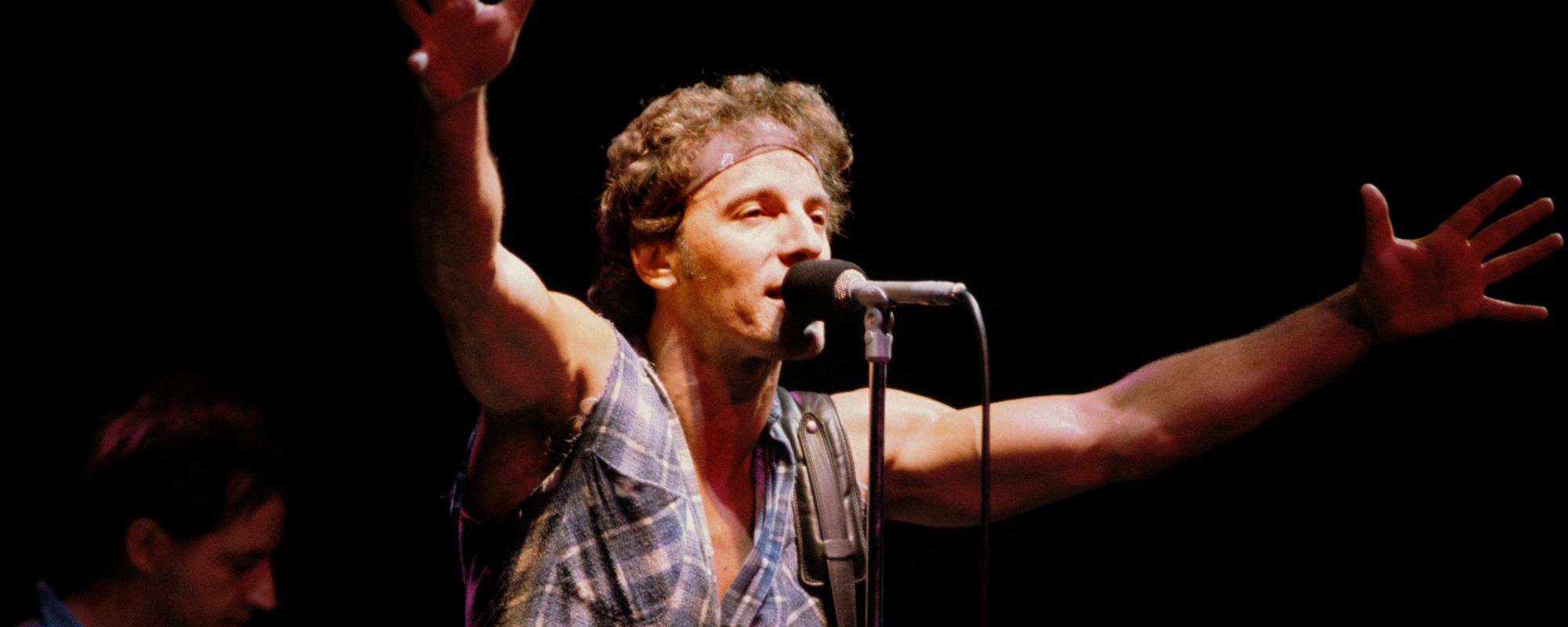
Photo by Paul Natkin/Getty Images



Leave a Reply
Only members can comment. Become a member. Already a member? Log in.